 Follow Us on Google News
 Follow Us on Google Discover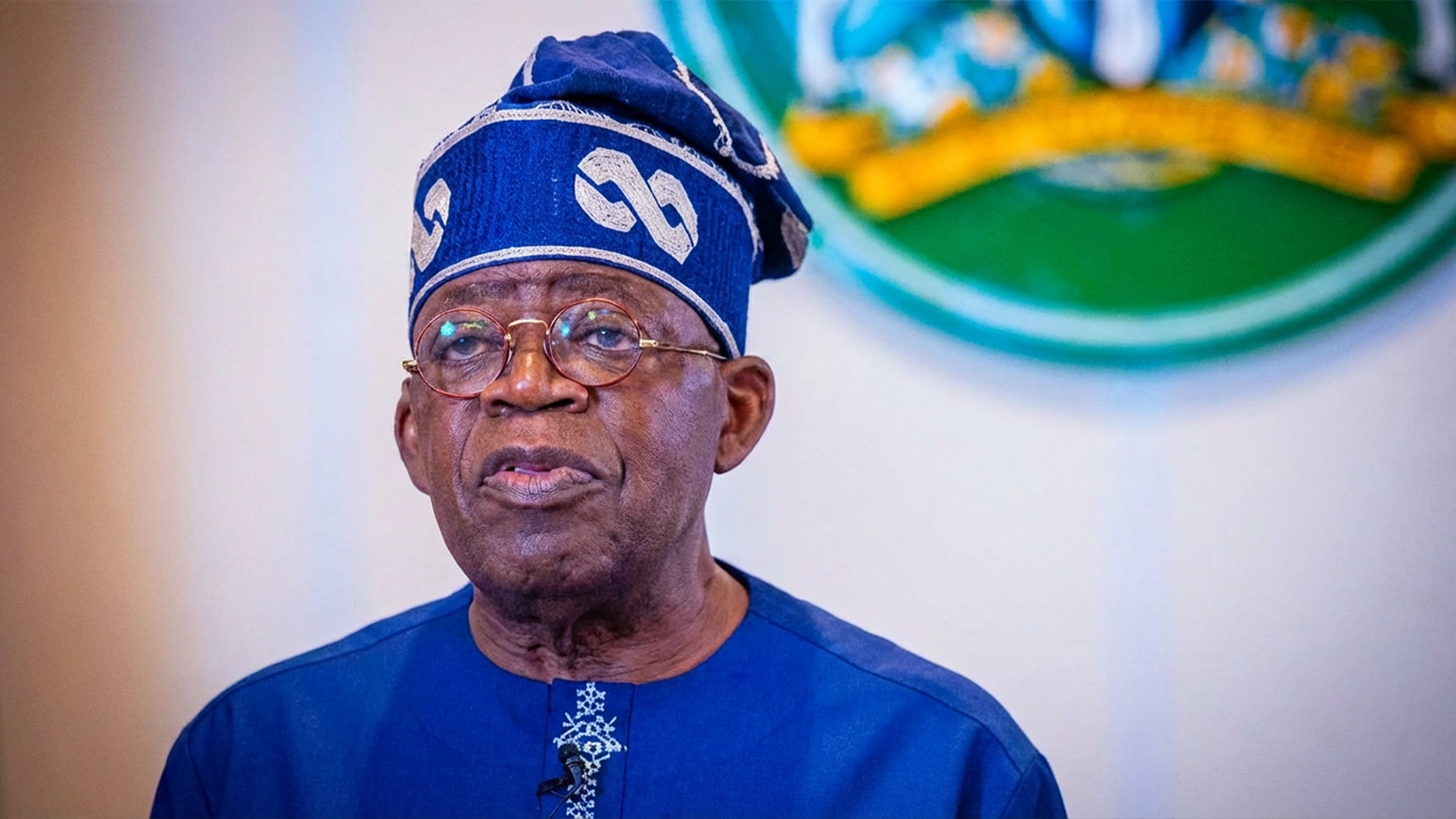
President Bola Tinubu on Tuesday unveiled Nigeria’s Industrial Policy 2025, urging relevant ministries, departments and agencies (MDAs) to ensure its swift and effective implementation.
The policy was launched in Abuja by Vice President Kashim Shettima, who represented the President at the Bola Tinubu International Conference Centre.
The development was disclosed in a statement signed by the Senior Special Assistant to the President on Media and Communications (Office of the Vice President), Stanley Nkwocha.
Tinubu described the Industrial Policy 2025 as a strategic roadmap designed to re-engineer Nigeria’s industrial base, unlock value across key sectors and place production, competitiveness and job creation at the core of the nation’s economic agenda.
He noted that while policies are often well-conceived, they frequently fail at the point of execution.
“Policies rarely fail at conception; they fail at implementation,” the President said, stressing the need for discipline, coordination and accountability in driving the new framework.

Highlighting long-standing challenges confronting Nigeria’s industrial sector, Tinubu said the country has for decades grappled with fragmented value chains, high production costs, infrastructure deficits, policy inconsistency and weak collaboration between government and industry.
“We have realised that industrialisation is not a wish you think about; it is an action you perform.
“More than that, we must remind ourselves that this task demands coherence across energy, trade, infrastructure, finance, skills, and innovation. It requires partnership between government and the private sector.”
The President stressed that the success of the policy would be measured by tangible outcomes.
“This administration will not measure success by the number of documents we produce.
“We will measure success by the number of factories that open their gates at dawn, by the jobs created for our young men and women, by the exports that leave our ports bearing the mark of Nigerian excellence, and by the value retained within our own economy.”
“These bottlenecks have constrained industrial growth for too long. This policy marks a decisive break from that past,” he said, adding that the Industrial Policy 2025 directly confronts these structural weaknesses.
The President called for stronger private sector participation, urging businesses to invest with confidence, deepen local value chains, create sustainable jobs, transfer skills and partner with government in building a productive and resilient economy.
Earlier, Enoh described the unveiling of the Industrial Policy 2025 as a critical turning point in Nigeria’s economic journey, saying it signalled a renewed commitment to building an industrial economy that produces efficiently, competes globally and delivers shared prosperity.

