 Follow Us on Google News
 Follow Us on Google Discover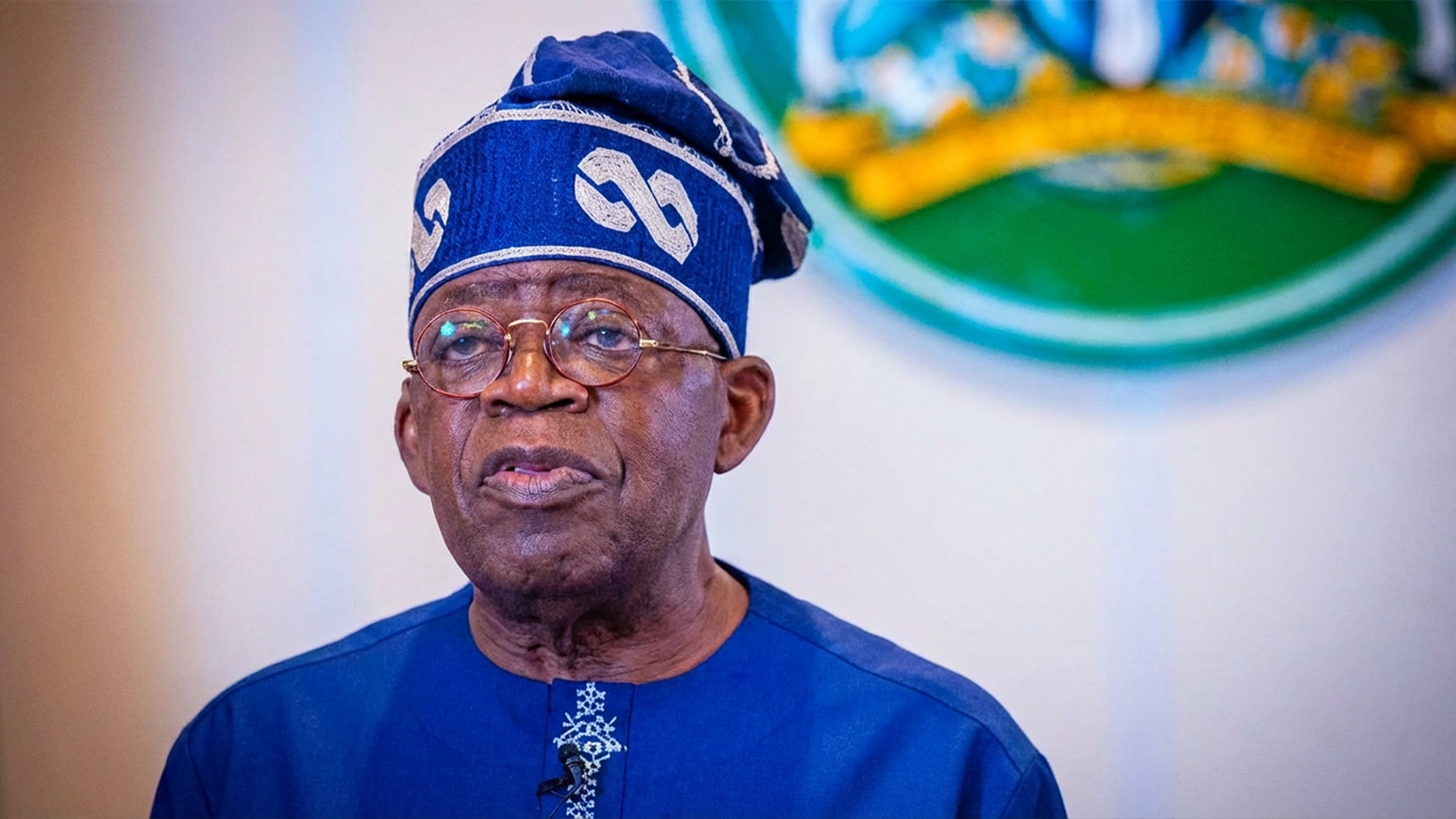
President Bola Ahmed Tinubu and prominent Nigerian political figures on Tuesday paid glowing tributes to American civil rights icon, Reverend Jesse Jackson, who died at the age of 84.
Jackson’s death was confirmed by the Rainbow PUSH Coalition, the organisation he founded, bringing to a close a long and eventful life that shaped the civil rights movement in the United States and inspired struggles for justice across the world.
In a condolence message, Tinubu described the late Baptist preacher as a global symbol of justice, equality and human dignity. He said Jackson’s activism, which began in his youth, left a permanent mark not only on American politics but also on democratic movements worldwide.
“Reverend Jackson was a servant-leader who captured the global imagination as a young activist, alongside Martin Luther King Jr., fighting for the dignity of black people, the oppressed, and the voiceless,” the President said.
Tinubu reflected on Jackson’s close association with Martin Luther King Jr. during the civil rights movement of the 1960s, noting that after King’s assassination, Jackson emerged as one of the leading voices who carried the struggle forward.
According to him, Jackson’s courage and persistence helped reshape the social and democratic landscape of the United States.

The Nigerian leader particularly highlighted Jackson’s historic presidential campaigns in 1984 and 1988, describing them as defining moments that challenged racial barriers in American politics.
“When Barack Obama broke the glass ceiling as the first Black President in America, it was Reverend Jackson who first inflicted the cracks on the ceiling in 1984 and again in 1988 when he offered himself as a Democratic Party presidential contender,” Tinubu stated.
He added that Jackson’s refusal to give up in the face of doubt and resistance paved the way for future generations of minority leaders. Tinubu said that if Barack Obama eventually became the first Black American president, it was because pioneers like Jackson did not relent in their march for justice.
Drawing from personal experience, Tinubu recalled his days as a student in Chicago in the 1970s, when he witnessed Jackson’s activism firsthand. He said the cleric consistently pointed American society towards the promise of the American dream and equal opportunity for all.
The President also stressed Jackson’s connection to Africa, describing him as a great friend of Nigeria and the continent. He praised Jackson’s strong opposition to apartheid in South Africa and his role in campaigning for the release of Nelson Mandela and other leaders of the African National Congress.
“During the dark era of military dictatorship in Nigeria, Reverend Jackson stood in defence of human rights and the restoration of democratic rule,” Tinubu said, recalling that Jackson later served as a Special Envoy appointed by former U.S. President Bill Clinton to Nigeria and Africa.
The President noted that Jackson’s life was defined by an unshakable belief in justice and progress.
Also mourning the civil rights leader was a chieftain of the Peoples Democratic Party, Dr Gbenga Olawepo-Hashim, who described Jackson as one of America’s greatest moral voices and a global symbol of democratic struggle.
In a tribute, Olawepo-Hashim said Jackson’s passing marked the end of an era in the global pursuit of equality, social justice and human dignity. He stated that the late cleric’s influence went beyond the United States and inspired activists across continents, including Africa.
“Reverend Jackson was a moral voice moulded in the crucible of the struggle for democracy and inclusion,” Olawepo-Hashim said.

