 Follow Us on Google News


 Follow Us on Google Discover
Welcome, dear readers! After months of immersing myself in the fascinating world of Nigerian relationship dynamics, attending countless weddings and engagement ceremonies from Kano to Port Harcourt, and spending years documenting how love, courtship, and partnership unfold across this diverse nation, I’m thrilled to share this comprehensive guide with you. Understanding what relationships like in Nigeria actually entail requires looking beyond stereotypes to appreciate the beautiful complexity of how Nigerians navigate romance, family expectations, and modern dating whilst honouring centuries-old traditions.
Nigerian relationships are multifaceted partnerships that balance individual attraction with family approval, traditional expectations with modern aspirations, and personal desires with communal obligations. These relationships encompass formal courtship processes involving family introductions, navigating complex bride price negotiations, managing religious expectations that shape relationship timelines, balancing modern dating culture with traditional propriety standards, and integrating extended family opinions into relationship decisions. Core entities include family elders who vet potential partners, traditional introduction ceremonies, bride price payments that legitimise unions, religious leaders who counsel couples, and the extended family network that provides both support and scrutiny throughout the relationship journey.
I still remember the first time I truly understood Nigerian relationships. My colleague Emeka was dating Chidinma for nearly two years when his mother discovered he hadn’t formally introduced her to the family. The panic that ensued taught me something crucial: in Nigeria, your relationship isn’t just between you and your partner. It’s a whole production involving parents, siblings, aunties, uncles, cousins, and sometimes even your father’s village council!
That’s Nigeria for you. Where romance meets ritual, and love requires paperwork.
What is Dating Culture Like in Nigeria?
Nigerian dating culture exists in this fascinating space between traditional courtship and modern romance, creating unique dynamics that often confuse outsiders (and sometimes confuse Nigerians themselves!).
The contemporary dating scene varies dramatically between urban and rural areas. In cities like Lagos, Abuja, and Port Harcourt, young Nigerians increasingly embrace Western-style dating. They meet on social media, attend movies together, grab dinner at restaurants, and generally behave like couples anywhere else in the world. But even in these cosmopolitan spaces, traditional expectations lurk beneath the surface.

Dating in Nigeria typically follows an unspoken progression that’s understood rather than explicitly stated.
First comes the “talking stage” where potential partners exchange messages, phone calls, and gradually build rapport. This can last weeks or months depending on how cautious the individuals are. Then there’s the “dating” phase where the relationship becomes more official, though families might not yet know. Finally comes the crucial “introduction” stage where families meet and assess whether this union makes sense culturally, financially, and socially.
Here’s where things get interesting. According to data from the Nigerian Institute of Social and Economic Research, approximately 11% of Nigerian families are headed by single parents, suggesting that not all relationships follow traditional paths to their conclusion. Modern Nigerians increasingly make independent relationship choices, though family approval remains deeply important.
Young women face particular pressure around dating. There’s this pervasive cultural expectation that women should be married by their mid-twenties. I’ve watched friends endure endless questions at family gatherings: “When are you bringing a husband?” As if husbands grow on trees and you simply pluck one when convenient!
Men face different pressures. They’re expected to be financially established before seriously dating. The logic goes that a man without money cannot afford marriage expenses (bride price, engagement, wedding ceremonies) and shouldn’t waste a woman’s time. It’s rather practical, if somewhat limiting.
Financial dynamics shape Nigerian dating in ways that might seem strange to outsiders. The man typically pays for dates, provides financial support to his girlfriend, and demonstrates through spending that he can adequately provide as a husband. Women who insist on splitting bills or paying their own way sometimes face suspicion. Is she trying to emasculate him? Does she not take the relationship seriously?
This creates interesting situations. I know women earning substantial salaries who still expect their boyfriends (who earn less) to pay for everything because “that’s how it should be”. The cultural script around men as providers proves remarkably persistent even when economic realities have shifted.
Public displays of affection remain somewhat taboo, especially outside major cities. Hand-holding might be acceptable, but kissing in public will draw disapproving stares and comments. Nigerian couples often maintain a certain decorum in public spaces whilst being more expressive in private.
Religious expectations profoundly influence dating culture. Christian couples often face pressure to limit physical intimacy before marriage, though this varies wildly based on denomination and individual conviction. Muslim couples, particularly in the North, operate under even stricter courtship guidelines where prolonged dating before engagement is discouraged.
The rise of social media has transformed Nigerian dating in ways our parents’ generation could never have imagined. Instagram relationships, WhatsApp courtships, and dating apps like Tinder and Bumble have created new pathways for meeting potential partners. Yet even in these digital spaces, traditional expectations reassert themselves. Your Instagram boyfriend still needs to meet your father eventually!
Understanding Traditional Relationship Expectations
Traditional Nigerian relationship expectations operate on fundamentally different principles than Western romantic relationships, prioritising family unity and social stability over individual happiness (though ideally both are achieved).
Marriage in Nigeria isn’t primarily about finding your soulmate. It’s about uniting families, continuing lineages, and fulfilling cultural obligations. This might sound unromantic, but it reflects a communal worldview where individual desires must harmonise with collective welfare.
The family’s role cannot be overstated. Your parents, particularly your father, hold enormous influence over whether a relationship proceeds to marriage. I’ve seen relationships of five, six, even seven years end because one set of parents disapproved. The reasons vary: wrong ethnic group, questionable family background, insufficient education, inadequate financial prospects, or simply that the families “didn’t connect” during introductions.
Traditional expectations around gender roles remain remarkably persistent even in 2026. Women are expected to be submissive, domestic, and focused on family welfare. Men are expected to be providers, protectors, and decision-makers. Yes, these expectations are changing, particularly among educated urban populations, but they still form the cultural baseline against which modern relationships are measured.
The Ministry of Interior’s marriage overview recognises both statutory and customary marriages under Nigerian law, with customary marriages following ethnic-specific traditions that emphasise family involvement, bride price payment, and communal celebration. These legal frameworks reinforce traditional expectations by codifying cultural practices into official processes.
Premarital chastity, particularly for women, remains highly valued in traditional Nigerian culture. Women who have children before marriage or are known to have had multiple relationships face significant social stigma that can affect their marriage prospects. Men face less scrutiny in this regard, though families do prefer that grooms have “respectable” relationship histories.
Extended family members believe they have the right to weigh in on your relationship choices. Your aunties will assess whether your girlfriend cooks well. Your uncles will investigate your boyfriend’s family background. Your grandmother might consult traditional oracles to determine if the union is spiritually sound. This isn’t considered invasive. It’s considered responsible family stewardship.
The bride price tradition exemplifies how traditional expectations shape modern relationships. According to research on family law in Nigeria, bride price serves multiple functions including compensating families for losing a daughter’s labour, establishing the groom’s financial capability, and publicly demonstrating the marriage’s legitimacy. The amounts can range from ₦50,000 in some communities to over ₦2 million in others, creating significant financial pressure on relationships.
Traditional relationships also emphasise procreation as a primary purpose of marriage. Couples who marry face immediate pressure to have children, ideally within the first year. Childlessness can strain marriages in ways that couples from less child-focused cultures might find shocking. I’ve watched relationships where everything else was perfect but fertility challenges created enormous family pressure that nearly destroyed the partnership.
Polygamy remains legally permitted and culturally accepted under customary law, though less common than previous generations. As noted by Radio Nigeria’s cultural analysis, polygyny (men marrying multiple wives) remains common in parts of Nigeria, often defended on cultural or religious grounds even as urbanisation and modern education push younger generations toward nuclear family models.
The concept of marriage as a covenant between families rather than just between individuals means that relationship problems rarely stay private. If you’re having difficulties with your spouse, expect your in-laws to get involved. They might offer mediation, advice, or pressure to resolve issues in ways that preserve the family alliance rather than prioritising individual happiness.
What is the 3-3-3 Rule Dating?
The 3-3-3 rule dating concept has gained popularity in Nigerian relationship circles, particularly among young urban professionals seeking to balance traditional expectations with modern relationship wisdom.
The 3-3-3 rule suggests couples should go on three dates before making relationship decisions, wait three months before becoming exclusive, and give relationships three years before considering marriage. It’s a Western import that’s been adapted to Nigerian contexts with mixed results.
In Nigerian applications of this rule, the “three dates” concept translates to initial meetings where potential partners assess compatibility before committing to serious courtship. These dates serve as the modern equivalent of traditional courtship periods where families would investigate each other’s backgrounds whilst the couple got acquainted.
The “three months” component aligns somewhat with Nigerian dating culture’s cautious approach. Most Nigerians don’t rush into exclusive relationships. They take time to observe character, assess stability, and determine whether the person fits their life vision. Three months provides a reasonable window for initial assessment, though some Nigerians extend this period much longer.
Where the 3-3-3 rule faces Nigerian challenges is in the “three years before marriage” component. Nigerian families, particularly when dealing with women approaching or in their late twenties, don’t typically support three-year courtships. There’s pressure to move from dating to marriage within one to two years maximum. Three years of dating without progression toward marriage raises questions: Is he serious? Is she waiting for something better? Are they just wasting each other’s time?
I’ve adapted the 3-3-3 rule in my own relationship advice to better fit Nigerian realities: three meaningful conversations about non-negotiables (religion, children, family expectations) before committing, three months of consistent behaviour patterns before trusting character assessments, and three family interactions before deciding if you can handle their extended family dynamics.
The rule’s value lies in encouraging intentionality rather than rushing relationships based on passion alone. Nigerian culture already emphasises careful partner selection, so the 3-3-3 framework provides a modern structure for this traditional wisdom.
However, strict adherence to Western relationship timelines can create friction with family expectations. Your parents won’t care that some American relationship guru recommends three years of dating. They want you married, producing grandchildren, and fulfilling cultural expectations according to Nigerian timelines.
Young Nigerians increasingly navigate these tensions by maintaining some aspects of the 3-3-3 approach (intentional dating, proper assessment periods) whilst accelerating timelines to satisfy family pressures. They might date for six months, get engaged, and marry within the following year, combining modern relationship assessment with traditional progression expectations.
The rule also highlights an important shift in Nigerian relationships: young people are claiming more agency in partner selection. Rather than accepting family-arranged matches, they’re taking time to find compatible partners then bringing them to families for approval. The 3-3-3 framework supports this by legitimising extended courtship periods as wise rather than wasteful.
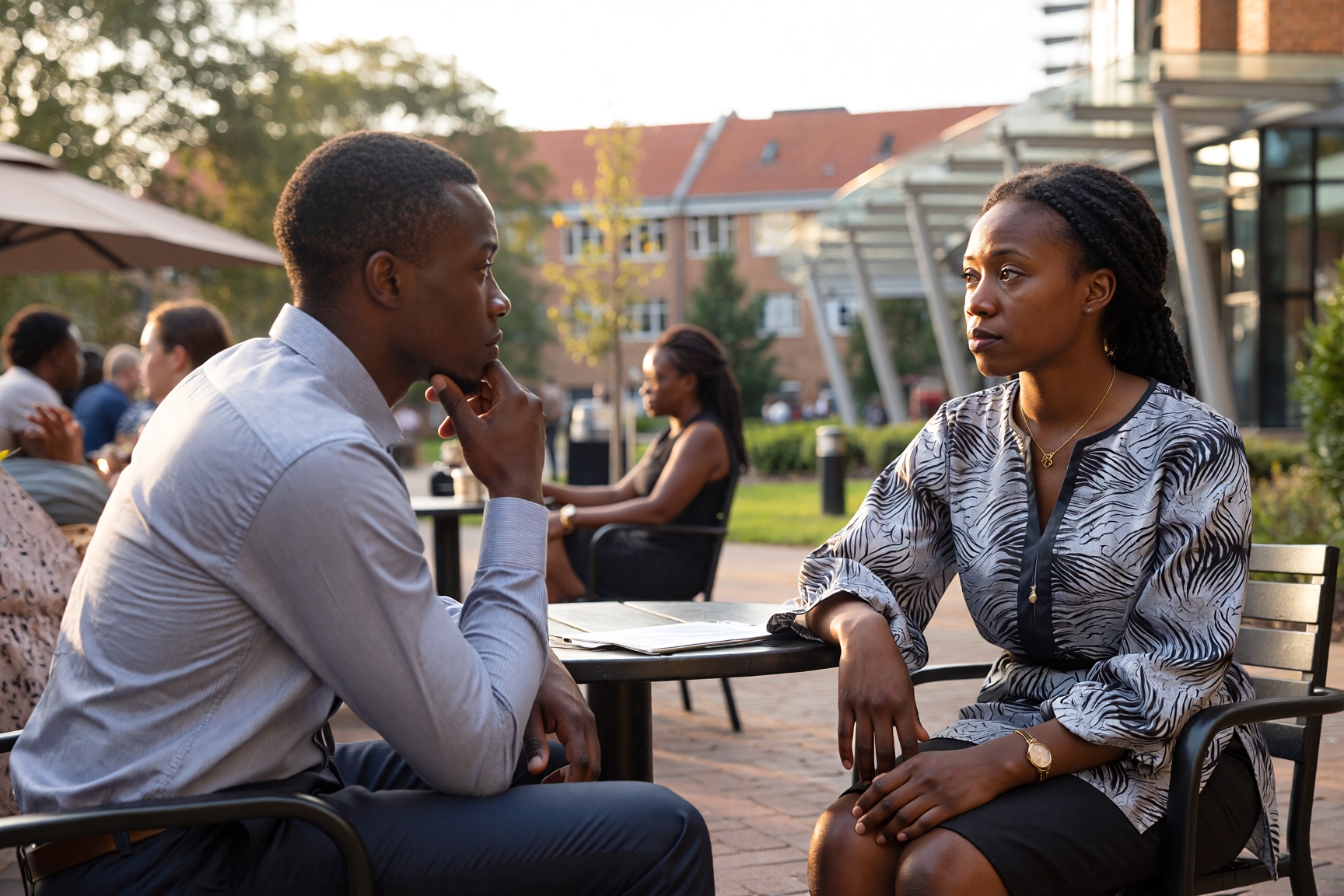
What is a Traditional Relationship Like?
Traditional Nigerian relationships operate according to well-established protocols that have guided courtship and marriage across generations, varying by ethnic group but sharing common principles around family involvement and cultural propriety.
Let me walk you through what a traditional Yoruba courtship might look like. A young man identifies a woman he’s interested in. He doesn’t immediately approach her directly (that would be considered forward). Instead, he might ask a mutual friend to gauge her interest. If she’s receptive, he begins visiting her family home, building rapport with her parents and demonstrating his character through actions rather than words alone.
Once the relationship develops and both parties are interested in marriage, the man’s family formally visits the woman’s family in a ceremony called “Mo mi i mo e” (know me and let me know you). This introduction allows families to investigate each other’s backgrounds, assess compatibility, and begin discussing marriage arrangements.
The courtship period in traditional relationships is highly supervised. Young couples don’t spend unsupervised time together. They meet in family settings, at community events, or in public spaces where their behaviour can be observed. This might seem restrictive, but it serves multiple purposes: protecting the woman’s reputation, allowing families to observe the couple’s interactions, and ensuring the relationship develops with proper cultural protocols.
Physical intimacy before marriage is traditionally prohibited, though enforcement of this expectation varies. In more conservative communities, even hand-holding might be considered inappropriate. In urban areas or among educated populations, couples might maintain some privacy, but overt physical affection remains discouraged until after marriage.
Traditional Igbo relationships follow similar patterns with specific cultural variations. The process begins with “Iku aka” or “Iju ese” (coming to knock or inquire) where the groom’s family formally announces their son’s interest in marrying the bride-to-be. This is followed by meetings with the bride’s extended family (Umunna) to establish that both families approve the union.
In Northern Nigeria, particularly among Hausa-Fulani Muslims, traditional relationships operate under even stricter guidelines. As documented by the Nigerian Embassy cultural overview, physical contact, romance, or prolonged courting before marriage is highly discouraged in Hausa marriage customs. When a man decides to marry a woman, he visits her family with his family and friends to formally request her hand, with the courtship period typically quite brief.
The bride price negotiation forms a crucial component of traditional relationships. This isn’t a simple transaction. It’s a complex cultural practice involving extended families, traditional protocols, and symbolic items beyond money. The list might include kola nuts, wine, clothing, livestock, and cash, with specific items varying by ethnic group and family expectations.
Regional Variations in Traditional Relationship Patterns
| Region | Courtship Style | Family Involvement | Typical Duration | Bride Price Range | Physical Affection | Religious Influence |
|---|---|---|---|---|---|---|
| South West (Yoruba) | Gradual family integration | Very High | 12-18 months | ₦200,000-₦800,000 | Limited in public | Christian/Traditional mix |
| South East (Igbo) | Formal family protocols | Extremely High | 6-12 months | ₦300,000-₦2,000,000 | Minimal until marriage | Predominantly Christian |
| South South (Niger Delta) | Community-observed courtship | High | 12-24 months | ₦150,000-₦1,500,000 | Moderate discretion | Christian/Traditional |
| North Central (Middle Belt) | Mixed traditional/modern | Moderate-High | 12-18 months | ₦100,000-₦600,000 | Variable by religion | Christian/Muslim mix |
| North West (Hausa-Fulani) | Brief supervised courtship | Extremely High | 3-6 months | ₦50,000-₦400,000 | Strictly prohibited | Predominantly Islamic |
| North East | Islamic courtship protocols | Very High | 3-8 months | ₦80,000-₦500,000 | Not permitted | Islamic dominant |
The table demonstrates how traditional relationship expectations vary significantly across Nigeria’s regions, with Northern communities generally favouring shorter, more supervised courtships whilst Southern regions allow longer periods for couples to develop relationships before marriage.
Traditional relationships emphasise character assessment over romantic feelings. Families investigate the potential partner’s family background, looking for mental illness, criminal behaviour, or “bad blood” that might affect future generations. They assess the person’s work ethic, temperament, and ability to fulfil cultural expectations around gender roles.
Communication in traditional relationships remains fairly formal, especially in early stages. Couples address each other respectfully, avoid overly casual language, and maintain decorum even as they grow closer. The relationship develops through actions (consistent visits, meeting family obligations, demonstrating responsibility) rather than through constant verbal expressions of affection.
Marriage in traditional relationships isn’t the culmination of the relationship but rather its beginning. The courtship period serves primarily to determine compatibility and secure family approval. The real work of building life together, developing deep intimacy, and creating partnership happens after the wedding ceremonies conclude.
Traditional relationships also include specific protocols around conflict resolution. Couples don’t simply “work things out” between themselves. Family elders, particularly the husband’s father or uncles, intervene in disputes to counsel, mediate, and sometimes dictate resolutions. This can feel intrusive to modern sensibilities, but it reflects the communal nature of marriage where relationship stability affects entire family networks.
Women in traditional relationships navigate particularly complex expectations. They’re expected to demonstrate domestic competence (cooking, cleaning, childcare skills), show respect for the man’s family even when that’s difficult, and maintain their own family’s honour through impeccable behaviour. The pressure to embody ideal womanhood whilst also developing a genuine relationship with their future husband creates significant stress.
Men face expectations around financial provision and family leadership that shape how they approach traditional relationships. A man who cannot afford bride price, wedding expenses, and setting up a household simply cannot pursue marriage, regardless of how much he loves someone. This reality forces many young men to delay relationships until their late twenties or early thirties when they’ve achieved financial stability.
What is Considered Disrespectful in Nigerian Culture?
Understanding what constitutes disrespect in Nigerian relationship culture is essential for navigating partnerships successfully, whether you’re Nigerian yourself or in a relationship with one.
Let me start with a story that taught me this lesson painfully. My friend Sarah, an American married to a Nigerian man, once contradicted her father-in-law during a family discussion. She was being helpful, correcting a factual error. The room went silent. Her husband later explained that she’d committed a major breach of protocol. You don’t contradict elders, especially not your in-laws, especially not publicly. Doesn’t matter if you have a PhD and they’re wrong about basic facts.
That’s Nigeria. Respect for elders trumps truth, expertise, and even common sense sometimes.
In relationships, several specific behaviours are considered deeply disrespectful. Women who fail to greet their partner’s parents properly (kneeling for Yoruba, prostrating for some groups, using correct titles) face immediate judgment. Men who don’t provide financially for girlfriends or fiancées are seen as unserious and disrespectful of the woman’s time and commitment.
Public embarrassment ranks among the most serious relationship offences. Nigerians value public image enormously. If you criticise your partner in front of others, share relationship problems with friends, or fail to present a united front publicly, you’ve committed a major violation. Relationships can recover from private conflicts but public disrespect often proves terminal.
According to Guardian Nigeria’s analysis of relationship expectations, the marriage process itself involves numerous opportunities for disrespect. Families can feel disrespected by insufficient bride price offers, inadequate wedding celebrations, or failure to follow proper cultural protocols during traditional ceremonies. These perceived slights can damage relationships between families that persist for generations.
Disrespect manifests differently across genders. For women, disrespectful behaviour includes speaking too freely or assertively, failing to perform domestic duties, neglecting her partner’s family, or maintaining friendships with men after marriage. For men, disrespect involves failing to provide financially, showing weakness in front of his family, allowing his wife too much independence, or not commanding proper respect from his household.
The concept of “putting your partner in their place” publicly is considered particularly problematic. Nigerian culture generally expects relationship hierarchies to be maintained, especially in public. A woman who appears to dominate her husband or a man who seems controlled by his girlfriend will face social criticism that can undermine the relationship’s stability.
Failing to involve families appropriately constitutes serious disrespect. If you’re in a relationship for years without introducing your partner to your family, they’ll interpret this as shame about the relationship or unwillingness to commit seriously. Similarly, making major relationship decisions (moving in together, relocating for work, even pregnancy timing) without consulting both sets of parents can be seen as disrespectful to family authority.
Financial disrespect takes specific forms in Nigerian relationships. Men who ask their girlfriends for money (except in dire emergencies) face ridicule as irresponsible. Women who spend their partner’s money frivolously without appreciation demonstrate disrespect for his provision. Both partners who hide finances from each other or fail to contribute appropriately to family obligations commit relationship violations.
Religious disrespect causes particular problems. If your partner is Christian and you consistently miss church services they consider important, that’s disrespectful. If you mock religious practices meaningful to their family, you’ve created serious problems. Nigeria’s high religiosity means that showing respect for your partner’s faith (even if you don’t share it) becomes essential for relationship survival.
Physical affection in the wrong contexts can also signal disrespect. Kissing in front of parents or elders suggests you lack proper restraint and cultural awareness. Touching inappropriately at family gatherings indicates you haven’t learned to control yourselves in appropriate social contexts. These behaviours reflect not just on you but on your upbringing and family’s effectiveness at teaching proper behaviour.
The issue of domestic violence represents a tragic manifestation of relationship disrespect. As Guardian Nigeria’s coverage of domestic violence emphasises, violations of dignity within partnerships, especially by men, remain very common in Nigeria. Whilst physical abuse is obviously disrespectful, the cultural tendency to excuse or minimise violence against women creates an environment where some men feel entitled to “discipline” partners through force.
Time disrespect operates differently in Nigeria than in Western cultures. Being consistently late for dates might be overlooked (Nigerian time is a real phenomenon!), but failing to prioritise your relationship or making your partner wait years for marriage without clear progression communicates that you don’t value them enough to commit properly.
Language use carries weight in determining respect levels. Using crude language, raising your voice, or speaking harshly to your partner (especially in front of others) demonstrates lack of respect regardless of the conversation’s content. Nigerian culture values measured, controlled communication in relationships, with explosive arguments considered inappropriate even when tensions run high.
Navigating Modern Relationship Challenges in Nigeria
Contemporary Nigerian relationships exist in this fascinating tension between evolving social norms and persistent traditional expectations, creating unique challenges that couples must navigate thoughtfully.
The diaspora influence has fundamentally altered how young Nigerians approach relationships. Exposure to Western media, international education, and global communication has introduced new relationship models that clash with traditional Nigerian frameworks. Young people increasingly expect partnership, shared decision-making, and emotional intimacy in ways their parents’ generation might not prioritise.
Economic pressures reshape relationship dynamics in profound ways. The current inflation rate of approximately 25%, with costs tripling in recent years, means that traditional expectations around male financial provision become increasingly difficult to meet. Young men struggle to achieve the financial stability required for marriage whilst young women wait longer for partners who can afford bride price and wedding expenses that now easily exceed ₦5-10 million.
I’ve watched friends delay marriage for years not because they don’t love their partners but because they cannot afford the financial requirements. The man saves for bride price. The woman’s family demands increasingly elaborate traditional ceremonies. Both families expect weddings that demonstrate social status. Meanwhile, the couple grows older, pressure mounts, and the relationship strains under financial impossibility.
Social media creates entirely new relationship challenges unknown to previous generations. Instagram creates pressure to present perfect relationships whilst hiding struggles. WhatsApp enables constant communication that can become suffocating. Dating apps introduce infinite options that make commitment feel limiting. Young Nigerians navigate these digital dimensions whilst also managing traditional relationship expectations that have no framework for understanding why your girlfriend posted a photo with a male friend.
Gender role evolution generates significant relationship friction. Educated women increasingly earn substantial incomes, challenge traditional submission expectations, and expect partnership rather than patriarchy. Meanwhile, many men were raised with traditional masculine ideals around authority and provision that clash with these modern women’s expectations. The result? Relationships where both partners struggle to reconcile their socialisation with their partner’s evolving needs.
As Guardian Nigeria’s discussion of sex education notes, the concept of marital fidelity operates differently in Nigeria than in Western contexts. The word “cheating” doesn’t translate well into Nigerian languages, and cultural attitudes toward men’s extramarital relationships remain more permissive than attitudes toward women’s behaviour. This creates relationship challenges when partners hold fundamentally different expectations around exclusivity.
The marriage timeline pressure particularly affects women. Nigerian society still treats unmarried women in their late twenties and thirties as somehow failing at life, regardless of their professional accomplishments. This creates desperate urgency that can lead to poor relationship choices or staying in unsuitable partnerships simply to meet cultural expectations around marriage timing.
Religious differences between partners generate complex challenges. Muslim-Christian relationships face family opposition, legal complications around marriage and inheritance, and questions about how to raise children. Even within Christianity, denominational differences (Pentecostal versus Orthodox, for example) can create friction around worship styles, lifestyle expectations, and spiritual authority in the home.
The nuclear family trend conflicts with extended family expectations. Young couples increasingly want privacy and independence to build their marriages without constant family interference. But Nigerian culture assumes family involvement in married life as normal and necessary. When couples try to establish boundaries, families interpret this as rejection, disrespect, or Western contamination.
Fertility challenges strain Nigerian relationships in ways couples from less child-focused cultures might find shocking. The intense pressure to produce children immediately after marriage, combined with limited understanding of infertility as a medical issue rather than spiritual problem, creates enormous stress. Women particularly face blame, shame, and sometimes abandonment when couples cannot conceive.
Long-distance relationships have become increasingly common as Nigerians pursue opportunities globally. Maintaining relationship commitment across continents whilst navigating time zones, cultural differences in dating expectations, and family pressure for local marriages creates unique challenges. I know couples who’ve sustained relationships across continents for years, but the strain is considerable.
The question of when to introduce partners to family creates modern dilemmas. Introduce too early and families might pressure you toward marriage before you’re ready. Introduce too late and families question why you hid the relationship. There’s this delicate timing balance that varies by family, with no clear guidelines for navigating it successfully.
Seven Essential Steps for Understanding Nigerian Relationships
Based on years of researching relationship dynamics across Nigeria’s diverse cultures, I’ve developed a practical framework for anyone seeking to understand or navigate Nigerian romantic relationships successfully.
1. Learn Your Partner’s Specific Cultural Context
Nigeria contains 371 ethnic groups with distinct relationship expectations. Don’t assume Yoruba customs apply to Igbo relationships. Ask specific questions about your partner’s ethnic traditions, regional variations, and family expectations. Read about their specific culture rather than treating “Nigerian culture” as monolithic. Understanding whether your partner comes from a matrilineal or patrilineal tradition, whether their ethnic group emphasises elaborate or simple bride price, and what specific ceremonies their culture requires will save enormous confusion later.
2. Build Genuine Relationships with Extended Family
Your partner’s family becomes your family in Nigerian culture. Invest time in knowing their parents, siblings, aunties, and uncles. Learn names, remember birthdays, ask about their concerns, and demonstrate that you value these connections. Visit family homes regularly, participate in family events, and show consistent respect for family hierarchies. The woman who brings her boyfriend soup when his family visits, the man who helps his girlfriend’s father with home repairs – these actions communicate seriousness more effectively than romantic gestures ever could.
3. Understand and Respect Financial Expectations
Money shapes Nigerian relationships profoundly. Men should budget for dating expenses, bride price, engagement, and wedding costs (potentially ₦5-10 million total). Women should appreciate financial contributions whilst maintaining realistic expectations. Both partners should discuss financial obligations to extended families honestly before marriage. Create clear budgets for relationship milestones, save consistently, and communicate openly about financial capacity without shame or unrealistic promises.
4. Navigate Religious Expectations Thoughtfully
Religion isn’t optional in most Nigerian relationships. If you’re Christian, understand your partner’s specific denomination and what that means for church attendance, prayer expectations, and lifestyle choices. If Muslim, learn about their particular interpretation of Islamic practice. Interfaith couples need extensive conversations about conversion expectations, how children will be raised, and which religious holidays will be observed. Don’t dismiss religious concerns as unimportant. For most Nigerians, faith shapes relationship foundations.
5. Communicate About Timeline and Progression
Nigerian relationships require clear progression toward marriage within reasonable timelines. Discuss early in the relationship what “reasonable” means for both partners and their families. Create specific plans for moving from dating to engagement to marriage. If you need three years to establish your career before marriage, communicate this clearly rather than letting your partner and their family assume indefinite dating. Similarly, if you expect marriage within eighteen months, say so explicitly.
6. Balance Modern Expectations with Traditional Respect
Young Nigerians increasingly expect emotional intimacy, shared decision-making, and partnership alongside traditional structures. Learn to code-switch appropriately, showing deference to elders publicly whilst maintaining equality privately. Respect traditional protocols around greetings, public behaviour, and family involvement whilst also establishing boundaries that protect your relationship’s privacy. This balance requires constant negotiation but proves essential for relationship success.
7. Prepare for Multi-Ceremony Marriage Process
Understanding that Nigerian marriage involves multiple ceremonies (traditional, religious, statutory registry) helps you budget time, money, and energy appropriately. Each ceremony serves different purposes: traditional marriage satisfies cultural requirements and legitimises the union within your communities, religious ceremonies honour God and receive spiritual blessing, statutory marriage creates legal recognition. Plan for all three, budget accordingly, and prepare emotionally for the intensity of navigating multiple family expectations across several celebration events.
Related Articles on Nigerian Culture and Relationships
For deeper understanding of how Nigerian relationship patterns connect with broader cultural contexts, I recommend exploring my previous articles on related topics.
My comprehensive guide to marriage customs in Nigeria examines the elaborate traditional ceremonies, bride price negotiations, and multi-layered celebration processes that define how Nigerians formalise romantic relationships into legally and culturally recognised marriages across our diverse ethnic groups.
Additionally, my article on what Nigerian society is like provides essential context for understanding how relationship patterns reflect broader cultural values around family, community, hierarchy, and collective identity that shape every aspect of how Nigerians interact with romantic partners.
Finding Your Path Through Nigerian Relationship Culture
Nigerian relationships offer extraordinary richness, combining deep family connections, meaningful cultural traditions, and genuine partnership when navigated thoughtfully. The key lies in understanding that relationship success in Nigerian contexts requires balancing individual desires with family expectations, modern aspirations with traditional protocols, and personal boundaries with communal obligations.
Yes, the challenges are real. Family pressure can feel suffocating. Financial expectations can seem impossible. Traditional gender roles can create friction with modern values. But Nigerian relationships also provide support networks, cultural continuity, and community celebration that couples in more individualised societies often lack.
The younger generation is forging new paths that honour tradition whilst claiming space for personal choice, emotional connection, and partnership equality. They’re having honest conversations about finances before marriage. They’re establishing boundaries with extended families. They’re choosing partners based on compatibility rather than just family approval. They’re redefining what Nigerian relationships can be whilst respecting what they’ve always been.
Whether you’re Nigerian navigating your own cultural expectations, in a relationship with a Nigerian, or simply curious about how love works across different cultural contexts, understanding Nigerian relationship dynamics provides valuable insights into how tradition and modernity negotiate space in contemporary African life.
Key Takeaways:
- Nigerian relationships prioritise family approval and cultural protocols alongside individual attraction, requiring couples to satisfy both traditional expectations (bride price, family introductions, religious ceremonies) and modern relationship development (emotional intimacy, genuine compatibility, partnership equality).
- Regional and ethnic variations dramatically affect relationship patterns, with Northern communities typically favouring shorter, more supervised courtships under Islamic guidelines whilst Southern regions allow longer dating periods, though both emphasise extensive family involvement and elaborate celebration ceremonies.
- Modern Nigerian relationships navigate intense tensions between evolving social norms (educated women’s economic independence, social media influence, diaspora perspectives) and persistent cultural expectations (early marriage pressure, traditional gender roles, extended family interference), requiring couples to constantly balance competing demands whilst building genuine partnerships.
Frequently Asked Questions About Relationships in Nigeria
How long do Nigerians date before marriage?
Dating duration in Nigeria varies by region, religion, and family expectations, but typically ranges from six months to two years before progression to engagement and marriage ceremonies. Northern Muslim communities often favour shorter courtship periods of three to eight months, whilst Southern Christian communities generally accept longer dating periods of twelve to twenty-four months, though families begin pressuring for marriage progression if relationships extend beyond two years without engagement.
Do Nigerian parents arrange marriages?
Whilst completely arranged marriages have become less common, Nigerian parents maintain significant influence over partner selection through approval processes, background investigations, and family introduction ceremonies that can effectively veto unsuitable relationships. Modern Nigerian relationships typically involve young people selecting their own partners then seeking family approval, though some conservative families (particularly in Northern Nigeria) still practise more traditional arrangements where parents identify suitable matches that their children can accept or reject.
What is bride price and why does it matter?
Bride price represents customary payments and gifts (money, livestock, clothing, wine, kola nuts) that the groom’s family presents to the bride’s family during traditional marriage ceremonies to legitimise the union and compensate for losing a daughter. It matters profoundly in Nigerian culture because without bride price payment, marriages are not considered properly solemnised under customary law, and it demonstrates the groom’s financial capability, family commitment, and serious intentions whilst creating reciprocal obligations between families that extend throughout the marriage.
Can Christians and Muslims marry in Nigeria?
Interfaith marriages between Christians and Muslims are legally possible in Nigeria but face significant cultural, family, and religious obstacles including parental opposition, questions about religious upbringing for children, and practical challenges around worship practices and lifecycle celebrations. Most Nigerian families strongly prefer religious endogamy, and interfaith couples often face pressure for one partner to convert, particularly women marrying into Muslim families, though some educated urban families have become more accepting of interfaith unions when other compatibility factors are strong.
How important is virginity in Nigerian relationships?
Virginity, particularly for women, remains culturally valued in Nigerian society though enforcement and emphasis vary significantly by region, religion, educational level, and family conservatism. Traditional expectations around female premarital chastity persist strongest in Northern Muslim communities and conservative Christian families, whilst urban educated populations demonstrate more flexibility, but women with children before marriage or known extensive relationship histories may face reduced marriage prospects and social stigma that men typically escape.
Do Nigerian couples live together before marriage?
Cohabitation before marriage remains culturally unacceptable in most Nigerian communities and is strongly discouraged by families and religious institutions, though some educated urban couples in Lagos, Abuja, and Port Harcourt increasingly live together discreetly. However, couples who cohabit openly before marriage face significant family pressure, social judgment, and potential religious sanctions, and traditional families may refuse to proceed with proper marriage ceremonies for couples who violated cultural protocols by living together before completing traditional and religious marriage rites.
How much do Nigerian weddings cost?
Nigerian weddings typically cost between ₦5 million and ₦15 million for middle-class families when combining all ceremonies (traditional marriage, religious wedding, reception), with bride price alone ranging from ₦50,000 to ₦2 million depending on ethnic group and family expectations. Upper-class Nigerian weddings frequently exceed ₦20-50 million, whilst couples attempting budget weddings might manage ₦2-3 million by limiting guest lists, simplifying receptions, and negotiating reduced bride price, though family pressure for elaborate celebrations that demonstrate social status makes truly economical weddings difficult to achieve.
What role does family play after marriage?
Nigerian extended families remain deeply involved in married couples’ lives, providing financial support during hardship, offering childcare assistance, mediating marital conflicts, and expecting regular visits, financial contributions, and participation in family events. This involvement can feel intrusive to couples seeking privacy and independence, but it also provides substantial practical and emotional support networks that cushion economic shocks, assist with childcare, and offer community connection that nuclear family models in Western societies often lack.
Are divorce rates high in Nigeria?
Divorce rates in Nigeria remain relatively low compared to Western countries (estimates suggest 10-15% of marriages end in divorce) due to strong cultural stigma, religious prohibitions, family pressure to preserve marriages, and economic dependencies that make separation difficult. However, divorce rates are rising particularly in urban areas among educated populations, and many unhappy marriages persist not because couples are satisfied but because social, religious, economic, and family pressures make divorce extremely costly personally and socially.
How do long-distance relationships work?
Long-distance relationships have become increasingly common as Nigerians pursue educational and employment opportunities globally, and they survive through frequent communication (WhatsApp, video calls), regular visits when financially feasible, clear commitment to eventual marriage, and family involvement that maintains relationship legitimacy during separation. However, long-distance relationships face challenges including time zone differences, cultural evolution during diaspora exposure, family pressure to marry locally available partners, and financial strain of international travel, with success depending heavily on explicit commitment timelines and concrete plans for eventually living in the same location.
What happens if families disapprove of a relationship?
Family disapproval creates enormous pressure on Nigerian relationships and frequently leads to relationship termination, but some couples proceed with marriage against family wishes, accepting consequences including reduced family support, strained family relationships, and potential exclusion from family events. The consequences of defying family approval vary by ethnic group and family strictness, with some families eventually accepting the union after children are born whilst others maintain permanent distance, and couples who marry without family blessing typically face greater marital challenges due to lack of extended family support networks.
How has social media changed Nigerian dating?
Social media has fundamentally transformed Nigerian dating by creating new meeting platforms (Instagram, WhatsApp, dating apps), enabling relationships to develop remotely before physical meetings, exposing young Nigerians to global relationship models, and creating pressure to present perfect relationships publicly whilst hiding struggles privately. However, traditional expectations persist alongside these digital innovations, with social media relationships still requiring family introductions, bride price negotiations, and traditional ceremonies, creating unique dynamics where couples conduct modern digital courtships that must eventually satisfy ancient cultural protocols for legitimacy and family acceptance.

