 Follow Us on Google News


 Follow Us on Google Discover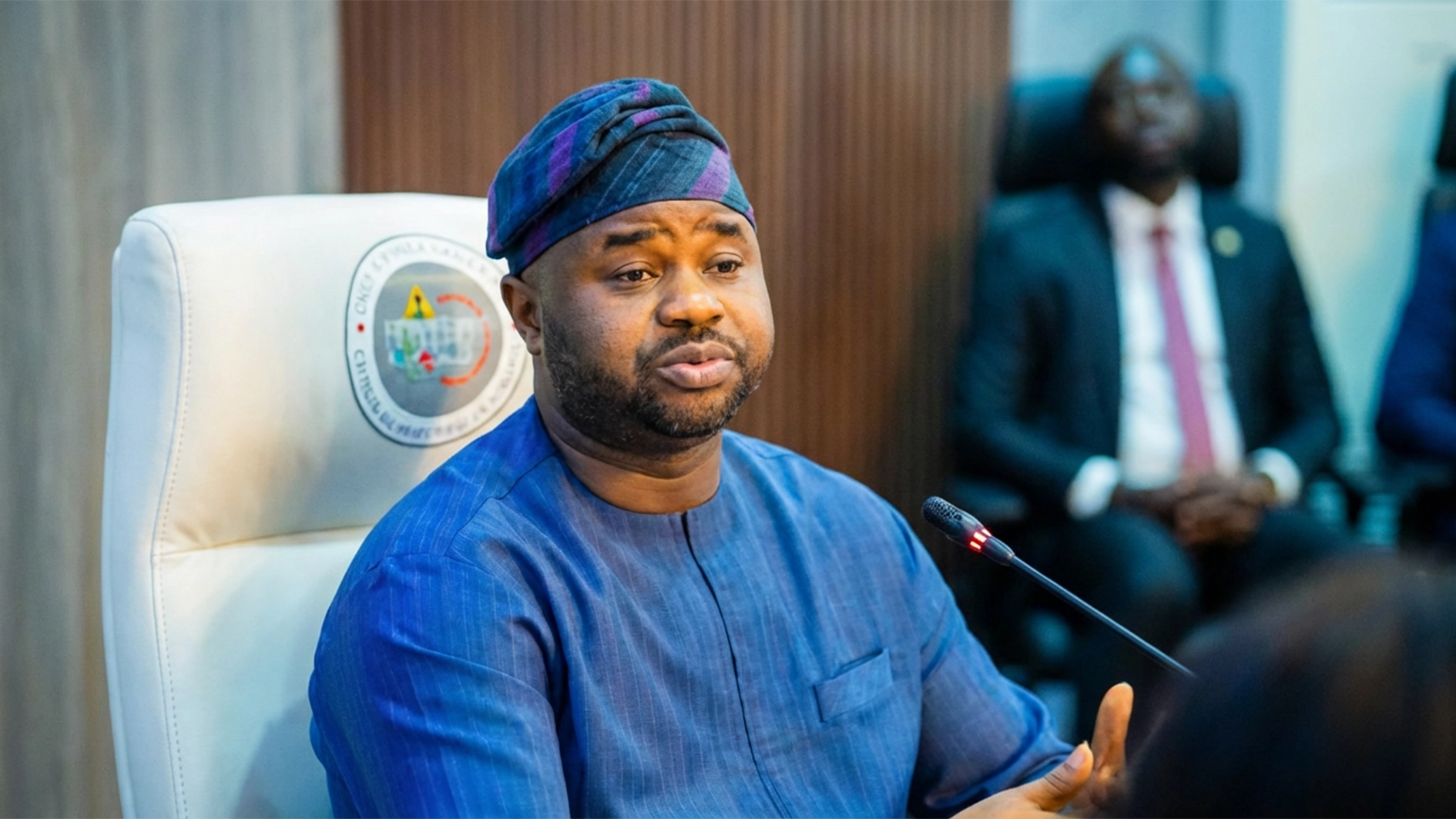
The Nigeria Revenue Service (NRS) has projected a total revenue target of N40.7 trillion for the 2026 fiscal year, anchored largely on improved oil production forecasts and ongoing tax reforms.
Executive Chairman of the Service, Zach Adedeji, disclosed this on Wednesday when he appeared before the House of Representatives Committee on Appropriations alongside members of the President’s economic team to review the 2025 budget performance and present projections for 2026.
Adedeji explained that recent tax reforms transferring petroleum and mineral royalty collections to the NRS have significantly expanded the agency’s revenue base.
“In the light of the tax reforms that transfer petroleum and mineral royalty and other revenues to the NRS, the total target for taxes, royalty and other minerals is N40.7 trillion,” he said.
He noted that oil production is expected to increase from 1.7 million barrels per day in 2025 to 1.8 million barrels per day in 2026, a development expected to boost oil-related revenues and support the higher target.
The NRS also reported exceeding its 2025 revenue target of N25.2 trillion, posting a total collection of N28.23 trillion.

According to Adedeji, the performance represents a N3 trillion surplus, or 12 per cent above the target.
He attributed the strong performance largely to non-oil taxes, which generated N21.46 trillion, exceeding projections by N3.4 trillion. Oil tax revenue, however, fell short of its target by 5.2 per cent.
Compared to 2024, the Service recorded a N6.5 trillion increase in collections in 2025, representing a 30.3 per cent growth, driven significantly by non-oil revenue streams.
During the session, lawmakers queried the zero capital performance recorded in the 2025 budget.
Responding, the Minister of Finance and Coordinating Minister of the Economy, Wale Edun, said the administration of President Bola Ahmed Tinubu inherited an unsustainable fiscal structure marked by heavy reliance on Ways and Means financing and petrol subsidy funding through under-recovery arrangements.
He said the decision to halt Ways and Means advances, which had risen to about N30 trillion, was necessary to restore macroeconomic stability, despite creating short-term funding gaps.
The Minister of Budget and National Planning, Atiku Bagudu, added that engagements with the National Assembly led to an agreement to move 70 per cent of the 2025 capital allocation into the 2026 fiscal framework to improve funding efficiency.
Chairman of the House Committee on Appropriations, Abubakar Bichi, said the interaction was necessary to enable lawmakers properly scrutinise the 2026 appropriation proposal and provide Nigerians with clarity on revenue projections and budget performance.
“This is for us to study and consider and approve the request. We decided to engage the team of the president to discuss the previous performance of the 2025 as well as the proposed 2026.
“We have decided to engage the NRS Chairman to shed more light on the revenue in terms of the 2026 projections. In 2025 we achieved about 28 trillion from our revenue, from the target of 25 trillion.
“We need to have more information from you so that Nigerians can know what is going on.”

