 Follow Us on Google News


 Follow Us on Google Discover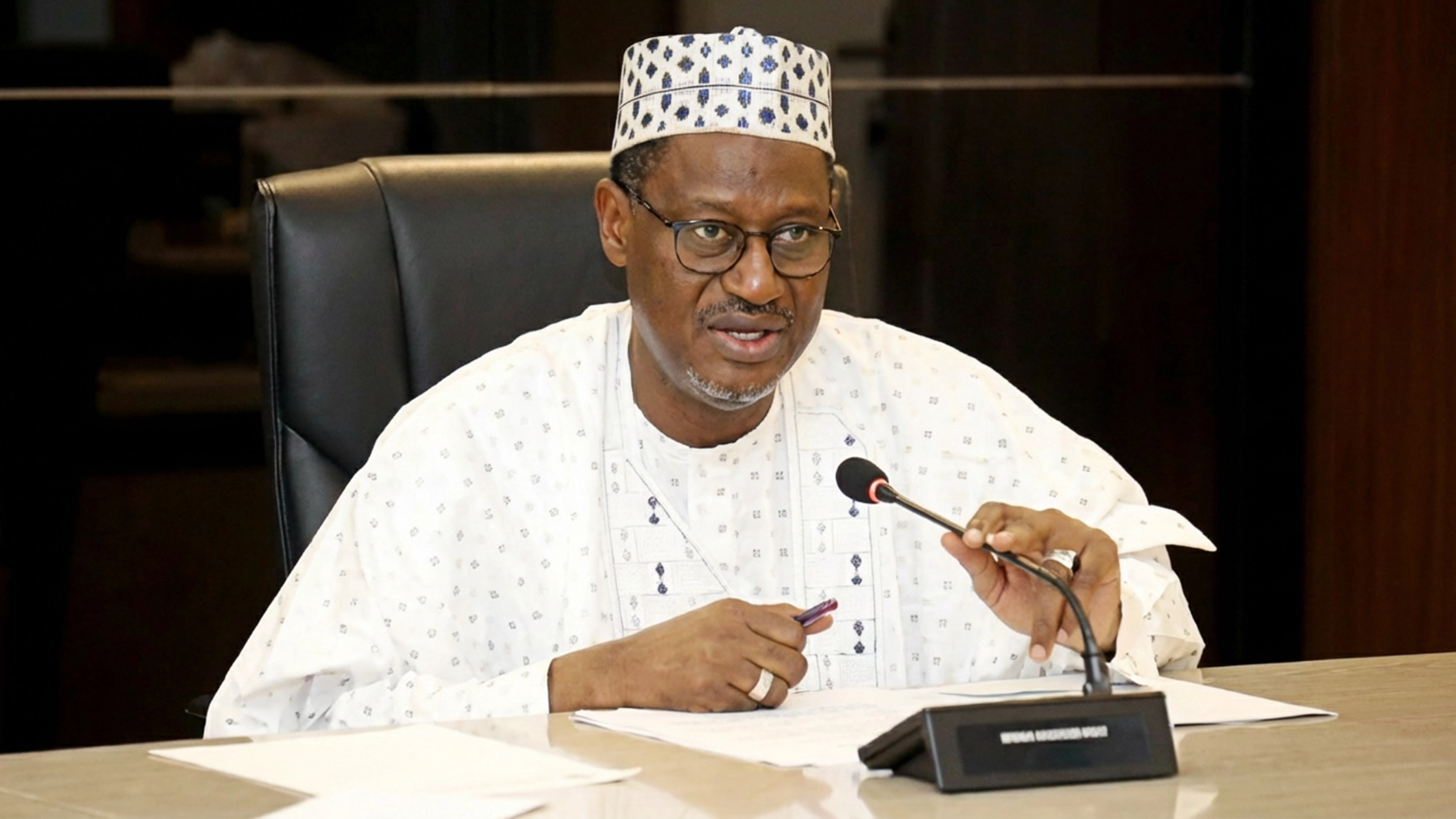
The Federal Government, in collaboration with UN-Habitat, has concluded arrangements aimed at accelerating affordable Ahmed Dangiwa, made this known at the meeting with a delegation from the UN-Habitat in Abuja, explaining that it is also mindful of the challenges involved in meeting its obligations under the existing Memorandum of Understanding (MoU).
Dangiwa stated that they recognise the numerous opportunities presented by its partnership with UN-Habitat, noting that these include facilitating access to international climate finance from global funding institutions.
Others are: mobilising resources for social housing programmes targeting vulnerable populations, and advancing women-focused housing initiatives, acknowledging that women are disproportionately affected by climate change impacts and conflict-induced displacement.
While acknowledging the UN-Habitat’s ongoing support through SIDPIN in Adamawa, Kano, and Borno states, he emphasised their alignment with the Ministry’s priority of rebuilding livelihoods and strengthening social cohesion in post-conflict areas.
Dangiwa also said there’s a programme’s support in reviewing the National Urban Development Policy, alongside its contribution to planning reform, and the offer of a consultant for the National Land Registration Documentation and Titling Programme (Land4Growth), urban renewal initiatives, and slum upgrading programmes.
On the UN-Habitat’s invitation to the upcoming Africa Urban Forum in Nairobi, Kenya, and the World Urban Forum in May, the Minister maintained that both are important events for which the ministry will ensure representation.

“These interventions are vital as Nigeria confronts rapid urbanisation that demands coordinated planning, sustainable infrastructure, and climate-responsive development,” he said.
The Minister stressed the importance of interventions in sustainable infrastructure, climate resilience, and resource management, emphasising the need for coordinated planning and sustainable infrastructure amid rapid urbanisation.
He, however, regretted that budgetary constraints were hampering the Ministry’s clear policy direction and strong ambitions, slowing the pace and limiting the scale of implementation, particularly in the delivery of climate-responsive housing and urban resilience initiatives.
According to the Minister, this reality compels the Ministry to explore innovative financing mechanisms beyond traditional budgetary allocations.
Earlier, the Head (UN Habitat) West Africa Hub Dakar, Senegal , Mr. Mathias Spaliviero reaffirmed the agency’s strong institutional partnership with the Federal Government of Nigeria, emphasising that collaboration remains a priority regardless of funding cycles.
He therefore provided updates on ongoing interventions by the UN-Habitat, highlighting a major joint programme being implemented in collaboration with International Organisation for Migration and United Nations High Commissioner for Refugees.
“The initiative focuses on delivering sustainable, durable solutions for internally displaced persons (IDPs) through structured urban integration strategies across Kano, Yobe, Adamawa, and Benue States. It adopts a multi-scale planning approach and has recorded encouraging progress, with state governments demonstrating increasing ownership and responsiveness.”

