 Follow Us on Google News
 Follow Us on Google Discover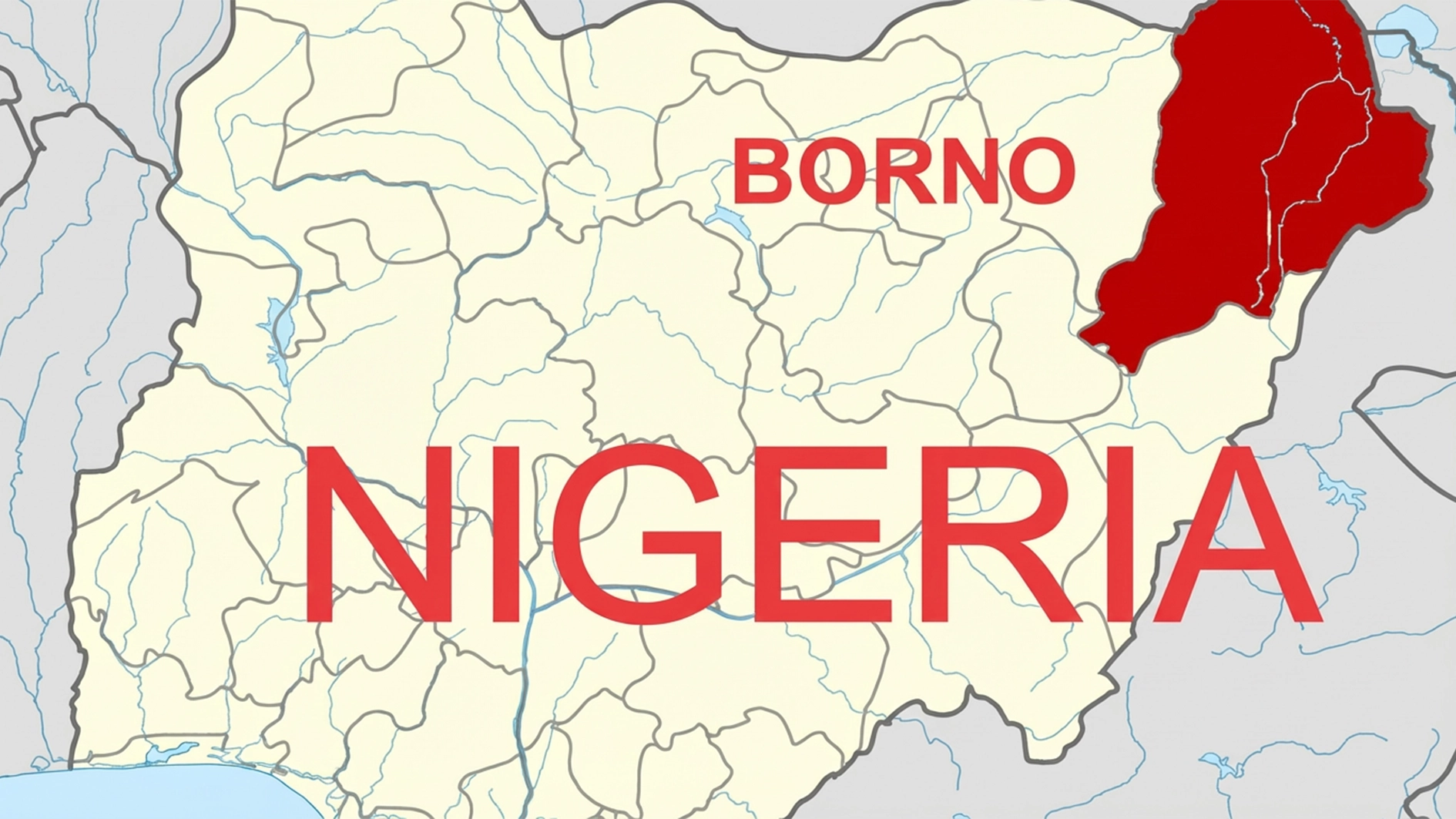
Borno State local government officials, education secretaries, and development partners, including Connected Development (CODE), have called for sustained funding, gender-responsive planning, and community engagement to ensure girls not only enrol in school but also remain and succeed.
They made the call at a high-level workshop on strengthening girl-child education through gender-responsive planning and accountability in Borno State, organised by Connected Development.
The event brought together local government chairmen, secretaries, education secretaries and heads of personnel management to strengthen Gender-Responsive Education Sector Plan(GRESP) across local government areas in Borno state.
They highlighted that poverty, early marriage, and insecurity remain major barriers preventing girls from accessing education.
Speaking, Deputy Director of Planning, Research and Statistics at the Borno State Ministry of Education, Umar Mustafa, said the state’s Local Government Operational Plans are now in the implementation pipeline, supported by the state and its partners.
He noted that education secretaries from various LGAs are now actively providing updates on the progress of the work plan, which allows the government to monitor interventions and track results.

Mustafa emphasised that these measures aim to ensure girls’ education receives targeted support and that communities see real improvements on the ground.
“Currently, these local government operational plans are on the pipeline of implementation. After developing this work plan, we requested that every education secretary provide updates on implementation.
“This allows us to track progress and understand where interventions are reaching the children who need them most,” Mustafa said.
He pointed to improvements in female enrollment across the state, referencing the 2025 annual school census, adding that the number of girls in some age groups now surpasses that of boys.
He also stressed the importance of ensuring local education officials actively engage with the plan, so that the strategies developed at the state level are effectively implemented at the grassroots.
Secretary General of Follow The Money, CODE, Mukhtar Modibo, said the workshop was designed to support and strengthen government initiatives, not to criticise them.
He explained that education is a shared responsibility and that civil society organisations play a role in providing tools, frameworks, and guidance to ensure that children remain in school and progress academically.
Modibo noted that interventions like mega schools, WASH facilities, and conditional cash transfers are already helping, but emphasised that community ownership is key to sustaining these programs.
“Education is not only for government. It is for everyone. Our role is to provide tools, frameworks, and guidance to ensure children are not only enrolled in schools but remain in them and successfully progress through their education,” Modibo said.
Acting Executive Officer of CODE, Hyeladzira James-Mshelia, stated that sustainability depends on co-creation and citizen engagement.
She explained that gender-responsive plans must be embedded in local government operations, with infrastructure, staffing, policies, and monitoring addressing the needs of both boys and girls.
James-Mshelia stressed that when communities are involved in planning and implementation, projects are more likely to endure beyond donor funding.
“Our focus is to institutionalise gender responsibility in local government plans. Infrastructure, staffing, policies, and monitoring should cater equally to boys and girls. When citizens are involved, they take ownership, ensuring that initiatives last even after external funding ends,” she said.
She added that CODE’s bottom-up approach empowers local officials to implement strategies effectively, while addressing barriers such as early marriage and extreme poverty.
The ultimate goal, she said, is for girls to not only attend school but remain and transition successfully to higher levels of education.

