 Follow Us on Google News
 Follow Us on Google Discover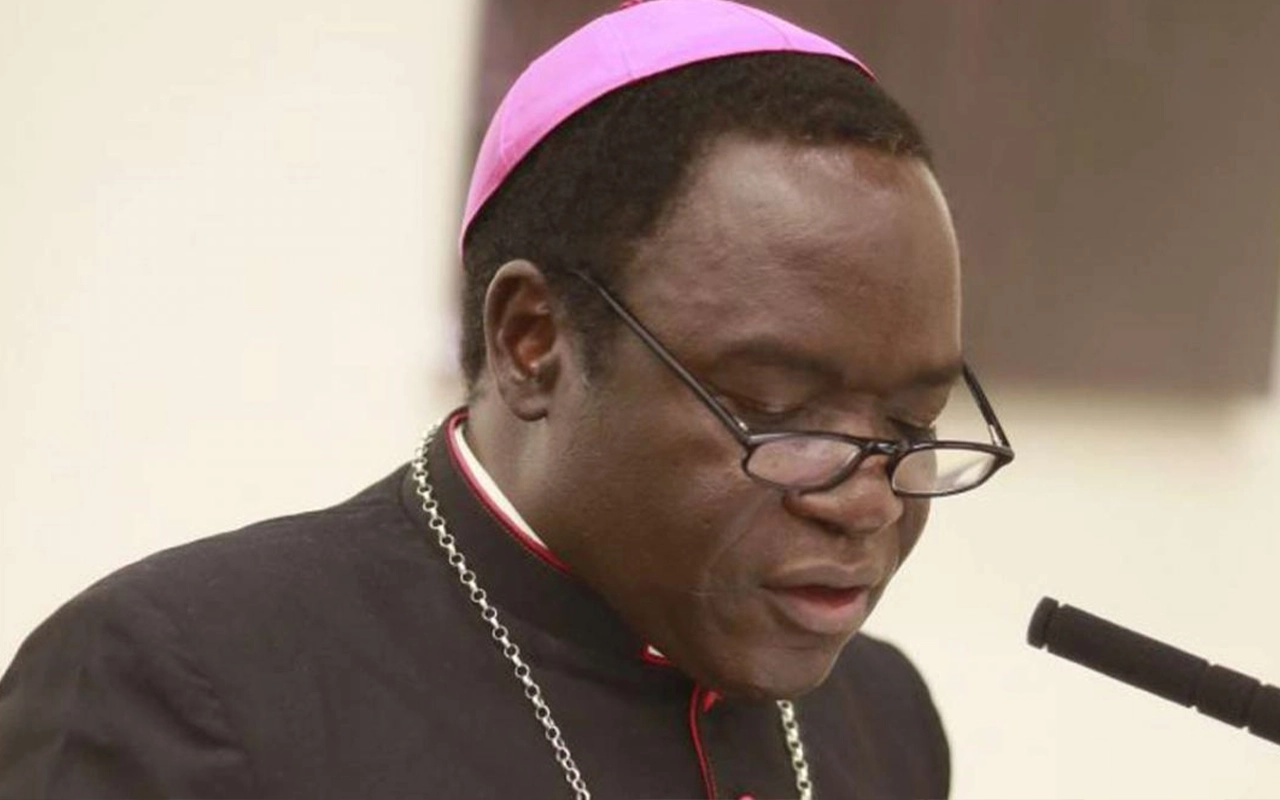
Religious, traditional and international leaders have called for the urgent and deliberate inclusion of women in security planning and peacebuilding processes across the country.
They described women’s participation as critical to ending insecurity, especially in the NorthWest.
The stakeholders made the call at the Northwest Regional Conference on Women, Peace and Security (WPS), organised by the Rule of Law and Empowerment Initiative, also known as Partners West Africa Nigeria, in collaboration with Global Rights and supported by the United Kingdom’s Foreign, Commonwealth and Development Office (FCDO) Integrated Security Fund.
The conference brought together traditional rulers, clerics, security agencies, government officials and civil society organisations from Katsina, Kebbi, Sokoto and Kano states to review progress made under community-based peacebuilding projects and to chart a sustainable path forward.
Delivering a keynote address, the Catholic Bishop of Sokoto Diocese, Matthew Hassan Kukah, said Nigeria cannot defeat insecurity without confronting the structural and cultural barriers that silence women and the poor.
He argued that while constitutions and religious texts provide frameworks for justice, the real challenge lies in interpretation and implementation.

“It is not enough to have a constitution. It is not enough to have the Holy Quran or the Bible. The question is: who interprets them, and are they used to liberate or to imprison?” he asked.
Kukah warned that religion and culture have historically been manipulated to justify injustice, including slavery and discrimination, but noted that they also contain the seeds of redemption, capable of driving freedom and equality.
Drawing lessons from civil rights struggles in the United States and post-conflict reconciliation efforts in Rwanda, he said meaningful change requires courage, persistence and grassroots participation, especially by women.
“The future lies with our women. You don’t need permission from traditional rulers or religious leaders to claim your rights. This country is our father’s house. Nobody has a monopoly on the keys.”
According to him, women already bear the moral and social burden of holding families and communities together, and excluding them from decisions on peace and security weakens the entire system.
“If families are strong, communities will be strong, and the nation will be strong. On your shoulders lies the burden of peace,” he added.
Sultan of Sokoto, Muhammadu Sa’ad Abubakar, reaffirmed the commitment of traditional institutions to peacebuilding and gender justice.
Represented by Senior Counsellor of the Sultanate Council and District Head of Kilgori, Dr Mohammed Jabi Kilgori, the Sultan described traditional rulers as frontline actors in conflict prevention, noting that most security and welfare challenges manifest first at the community level.
British Deputy High Commissioner to Nigeria, Gill Lever Obe, said evidence from the UK-supported programmes in the Northwest shows that communities become safer and more resilient when women and marginalised groups are meaningfully included in peace and justice processes.
She noted that, through partnerships with Partners West Africa Nigeria and Global Rights, gender-based community dialogue committees were established, with up to 40 per cent women’s participation.
“When women, youth and persons with disabilities are intentionally included, peacebuilding becomes more sustainable and justice more accessible,” she said.
According to her, strengthened community safety partnerships, improved police-community relations, and expanded legal support mechanisms have enhanced access to justice and restored trust in affected communities.
In her opening remarks, the Executive Director of Partners West Africa Nigeria, Kemi Okenyodo, said the conference was not merely the end of a project cycle but a platform for reflection, evidence-sharing and policy dialogue.
She explained that the organisation implemented the project titled “Strengthening Inclusive Peacebuilding Structures and Improved Access to Justice in Northwest Nigeria” in Katsina and Kebbi States, while Global Rights carried out complementary interventions in Sokoto and Kano.
According to her, community safety dialogue committees and community safety partnerships were strengthened to promote inclusive participation, improve access to justice and build trust between citizens and institutions.
She added that one of the key lessons from the intervention is that lasting peace is built on partnerships between civil society and government, communities and institutions, and among development actors.
Senior Special Assistant to the President on Community Engagement (North-Central), Abiodun Essiet, emphasised the importance of bottom-up approaches in tackling insecurity.
Essiet stressed the need for culturally sensitive approaches to prevent gender-based violence and support community resilience.
“Women, in particular, play a critical role in peacebuilding and promoting social cooperation. Their inclusion in decision-making is essential for sustainable peace,” she said.

