 Follow Us on Google News


 Follow Us on Google Discover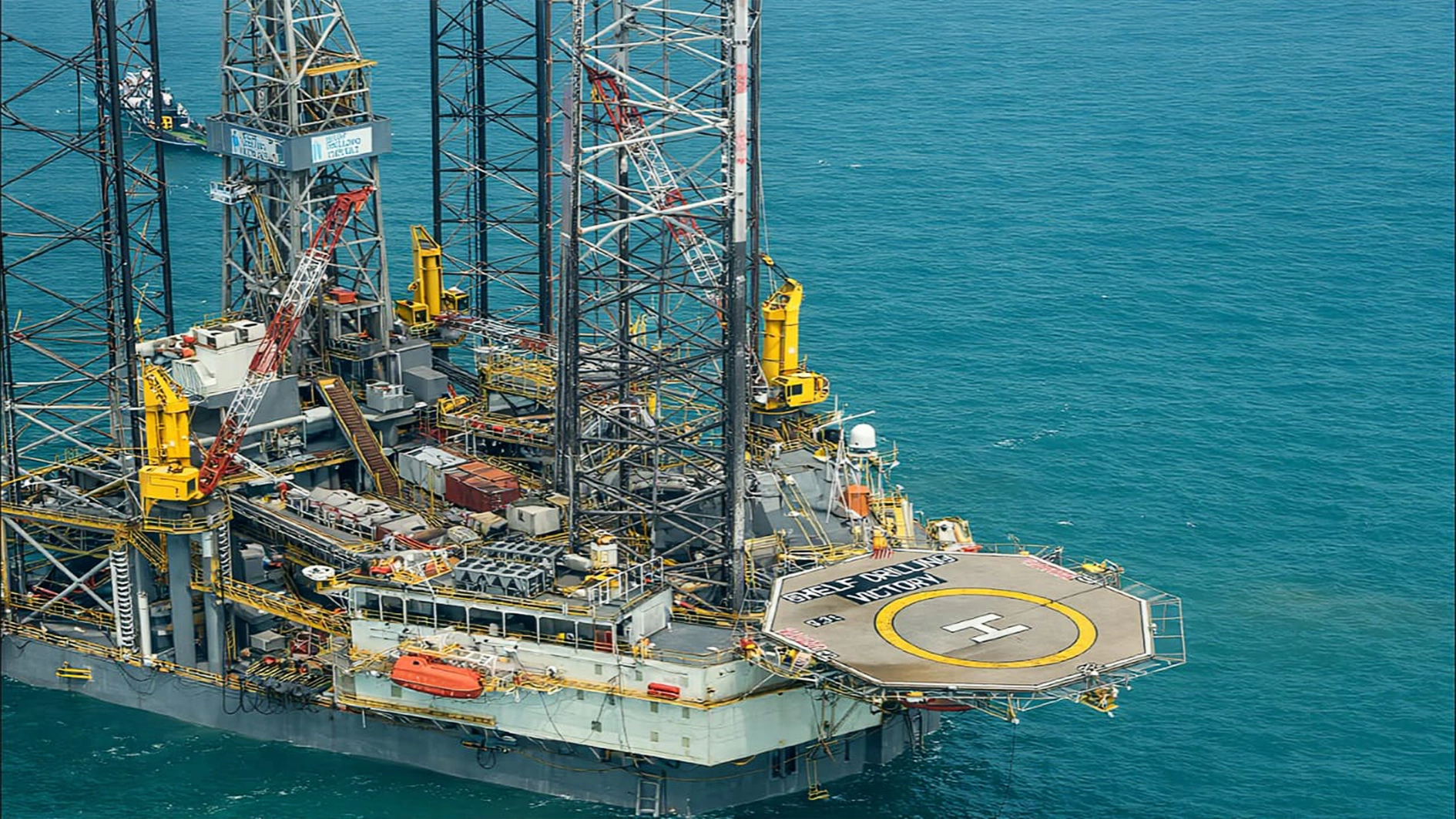
Nigeria’s upstream oil and gas sector is entering a decisive phase in which indigenous operators are no longer fringe participants but central actors in production sustainability. As asset ownership gradually shifts and capital commitments deepen, the real issue is less about ambition and more about execution, whether local firms can consistently translate investment plans into stable, measurable output gains in a structurally challenged environment. WALIAT MUSA writes.
As international oil companies recalibrate portfolios and divest from selected assets, indigenous firms are assuming greater operational responsibility. The central issue is no longer participation but performance.
Recent offshore drilling activity at the Okoro Field operated by AMNI International Petroleum Development Company illustrates the broader transition. The three-well campaign is structured to optimise reservoir performance, sustain base output and increase peak production beyond 12,000 barrels per day. While operationally defined as field development, the wider implication lies in what it signals about indigenous capacity and long-term sector stability.
Nigeria’s crude oil production has faced recurring disruptions linked to ageing infrastructure, pipeline insecurity and inconsistent investment cycles. At the same time, the Federal Government continues to project output growth ambitions, often referencing a three million barrels per day benchmark. Achieving such targets will depend less on rhetoric and more on the operational reliability of companies now controlling a growing share of upstream assets.
Beyond the technical movement of equipment offshore, the campaign signals the industry’s gradual shift toward locally driven production sustainability.
The Okoro Field remains a core producing asset within AMNI’s portfolio and is currently undergoing a three-well development programme designed to optimise reservoir performance, strengthen field management and sustain base production while targeting peak output of over 12,000 barrels per day. In a sector where mature offshore assets are susceptible to natural decline, such optimisation campaigns are increasingly essential for maintaining steady production levels rather than pursuing purely expansionary drilling.

The programme forms part of the company’s five-year Strategic Development Plan, which prioritises production optimisation across existing fields, accelerated oil development and expanded gas commercialisation. AMNI’s broader asset development pipeline, estimated at over $2.5 billion in oil and gas investments with projected peak production exceeding 150,000 barrels of oil equivalent per day, reflects long-term capital commitment rather than short-term production gains.
The campaign also highlights the evolution of Nigeria’s indigenous oil and gas industry. The industry’s trajectory has moved from marginal field participation to full-scale offshore development and operatorship, a transformation driven partly by local content policy and shifting investment patterns.
However, the transition has also transferred greater operational responsibility to local firms. Offshore drilling programmes remain capital-intensive and sensitive to global crude price fluctuations. The discipline of capital deployment is therefore critical, particularly for indigenous operators that may not possess the diversified global portfolios available to multinational oil companies.
AMNI’s Chairman and Chief Executive Officer, Dr Tunde Afolabi, has previously stressed that sustainable upstream growth must be anchored on operational excellence, prudent investment decisions and long-term value creation.
The mobilisation of the rig to Okoro is therefore positioned as an executional step within a broader development strategy rather than a symbolic expansion exercise.
The development also aligns with Nigeria’s increasing focus on gas utilisation. As the country seeks to balance crude oil revenue dependence with domestic energy diversification, expanded gas commercialisation is expected to support industrial growth and improve energy security. The success of integrated oil and gas strategies will depend on synchronising drilling activity with infrastructure readiness and market demand.
Ultimately, the Okoro campaign underscores the growing centrality of indigenous operators in Nigeria’s upstream future.
While asset control has expanded locally, the industry’s next challenge lies in sustaining production efficiency, managing offshore operational risk and ensuring that capital commitments translate into consistent barrels delivered rather than projected volumes alone.

