 Follow Us on Google News
 Follow Us on Google Discover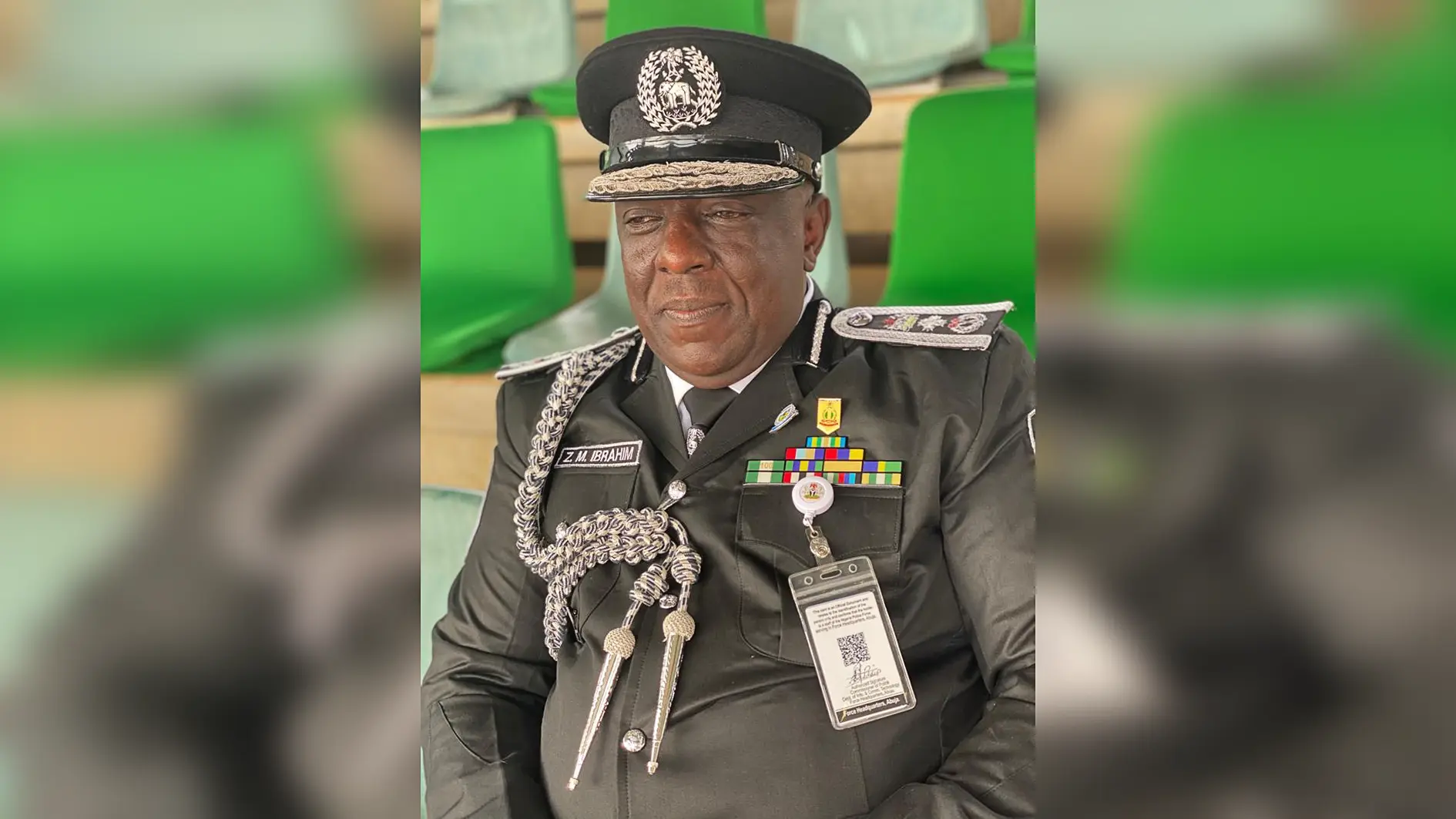
A retired Deputy Inspector-General of Police, Zanna Mohammed Ibrahim, has described the inaugural address of the new Inspector-General of Police, Tunji Disu, as a defining moment that could usher in a transformative era of people-oriented policing in Nigeria.
Reacting to the IGP’s maiden speech, Ibrahim said the renewed emphasis on officers’ welfare, housing, pensions and professional conduct has rekindled cautious but genuine hope for reform within the Nigeria Police Force, at a time when public trust has been severely tested by years of institutional challenges.
According to the retired DIG, the significance of the address lies not merely in its tone but in its recognition of a long-neglected reality — that a demoralised force cannot effectively protect the nation.
“For too long, national conversations about policing have focused almost exclusively on crime statistics and enforcement operations,” he noted.
“But officers who are uncertain about their welfare, retirement security or living conditions cannot be expected to operate at their highest professional standards. Internal reform is the foundation of external credibility.”
Ibrahim stressed that a truly people-oriented police force is built on trust — and trust, he said, is earned through visible professionalism, fairness in enforcement and firm accountability in cases of misconduct.

He urged the new police leadership to move swiftly from promises to measurable reforms, outlining four critical pillars that must underpin the new administration’s success.
First, he called for the institutionalisation of welfare reforms. Housing schemes, pension administration, healthcare coverage and improved working conditions, he said, must be converted from policy aspirations into structured, transparent programmes with defined timelines and oversight mechanisms.
“When officers feel valued, morale improves — and with it, performance,” he added.
Second, he emphasised the need to strengthen professionalisation across the Force. Continuous training in community policing, intelligence-led operations, technology-driven crime detection and strict adherence to human rights standards, he argued, are no longer optional in confronting modern security threats.
Third, Ibrahim insisted that accountability must remain uncompromising. Public confidence, he said, depends not only on crime reduction but also on visible consequences for misconduct within the Force.
“Impunity erodes legitimacy; accountability restores it,” he warned, calling for swift, transparent and fair internal disciplinary systems.
Fourth, he underscored the importance of deepening community engagement. Structured dialogue platforms, citizen feedback mechanisms and proactive communication strategies, he noted, are essential to reposition officers as partners in community safety rather than adversaries.
However, the retired DIG cautioned that the renewed optimism must be guarded against political interference, unfulfilled commitments or selective enforcement, which could quickly undermine public confidence.
“The success of this tenure will depend not merely on vision, but on consistency, courage and the willingness to institutionalise reforms that outlive one administration,” he said.
Ibrahim thereby stressed that Nigeria does not require cosmetic adjustments in policing but structural transformation capable of restoring public trust.
If the IGP remains steadfast in prioritising welfare, professionalism, accountability and community partnership, he said, the moment could mark a historic turning point for law enforcement in the country.
“Hope has been rekindled,” he stated. “The task now is to convert that hope into enduring reform.”

