 Follow Us on Google News
 Follow Us on Google Discover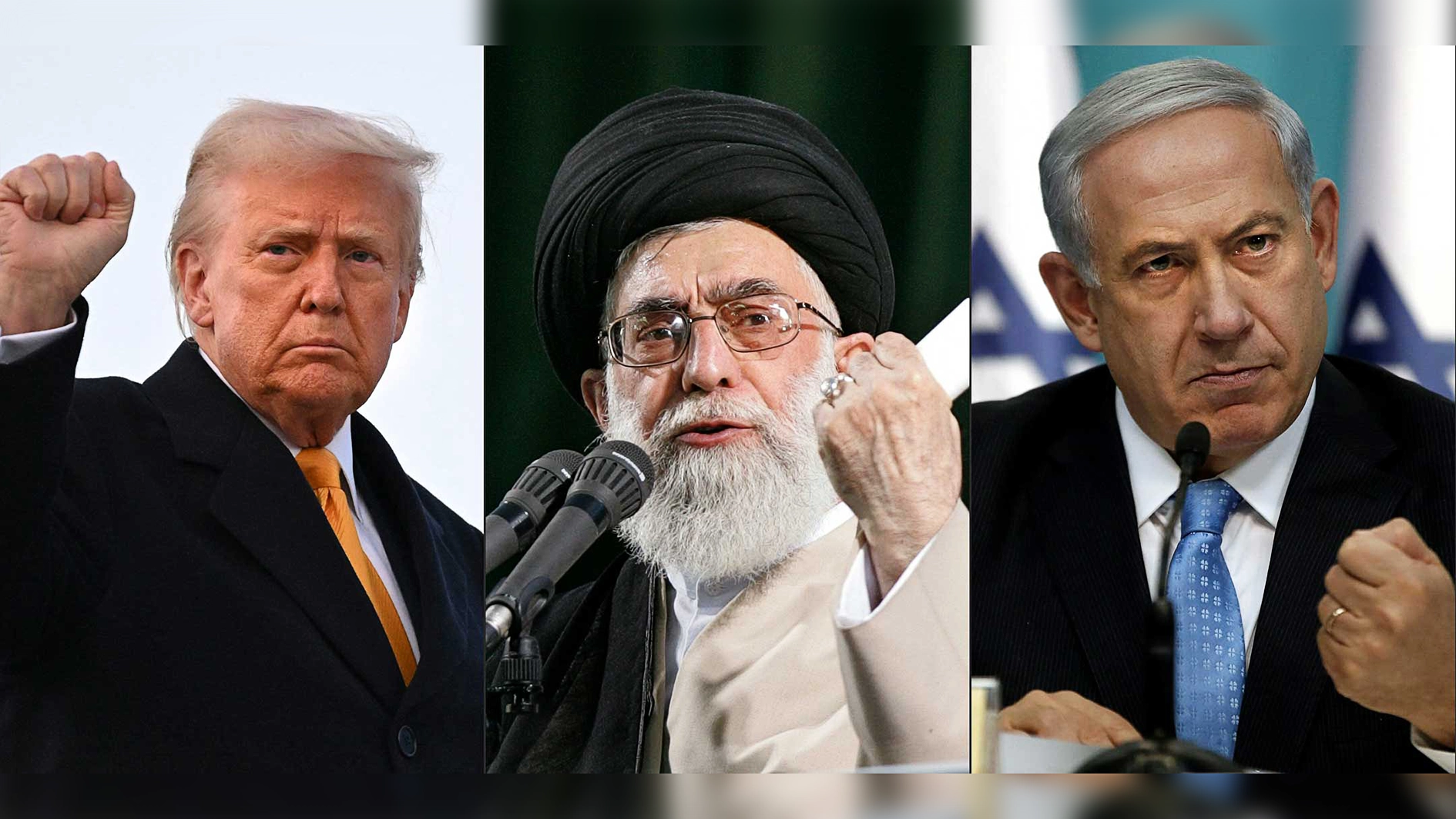
It must be emphasised that it is too soon for any international security expert or scholar in the relevant field to accurately forecast the results of the conflict involving the United States and Israel against Iran. This is due to the inherently unpredictable nature of war.
This unpredictability is one of the key reasons we advocate for genuine diplomacy in all its forms before conflict or war arises.
Traditionally, the United States has maintained unmatched deterrent capabilities in the Middle East. Deterrent capability refers to the strategic, psychological, and military means employed to dissuade an adversary from engaging in undesirable actions (such as launching an attack) by persuading them that the potential costs of those actions outweigh the possible benefits.
The deterrent capabilities of the United States are a key reason many nations, particularly in the Middle East, host U.S. military bases on their territory.
The current Iranian missile and drone assaults on U.S. military installations have detrimental effects on U.S. deterrent influence in the Middle East, as the sense of security has been compromised despite the presence of U.S. missile defence systems.
However, it must be noted that no missile defence system globally can achieve 100 percent efficiency. Additionally, these systems are costly, and their production is time-consuming; they cannot be manufactured in the same voluminous manner as consumer goods like shoes or clothing.

For example, the PAC-3 Missile Segment Enhancement (Patriot) currently has an annual production rate of approximately 600 to 650 missiles, with intentions under a new framework agreement to increase this figure to 2,000 annually.
It is important to note that, typically, at least two defence missiles are launched at a single ballistic missile to ensure accuracy. Additionally, for example, using a $4 million Patriot missile to defend $3,000 assets is illogical.
The foundation of U.S. security efforts in the Middle East can be traced back to post-World War II strategies, aimed at curbing Soviet influence, ensuring access to energy resources, and safeguarding vital trade routes established in the early 19th century.
This focus shifted from protecting maritime routes to the establishment of significant military installations, with the U.S. taking over from the British in 1971 to maintain regional stability.
Recently, Iranian ballistic missile and drone strikes targeted Al Udeid Air Base in Qatar, which is the largest U.S. military installation in the region and serves as a key headquarters for U.S. Central Command (CENTCOM).
It’s essential to recognise that Iran’s retaliatory strikes on U.S. military installations throughout the Middle East are unprecedented, signaling a potential decline in U.S. deterrent capabilities in the region.
Marco Rubio, the U.S. Secretary of State and National Security Adviser, mentioned during a live TV interview that the United States is emphasising diplomacy with Israel, in part because Israel intends to strike Iran, which in turn will lead Iran to retaliate against the U.S.
This statement has left many plenipotentiaries trying to make sense of its reasoning. The effects of Iranian retaliatory assaults on U.S. interests are evident at Al Dhafra Air Base in the United Arab Emirates, where around 5,000 American Troops are stationed.
The Ali Al-Salem Air Base in Kuwait, commonly referred to as “The Rock,” centralises U.S. Air Force operations and is situated near the Iraqi border. The NSA Bahrain is a naval facility that serves as an essential command hub for operations in the region.
Multiple videos emerged online depicting smoke billowing from the base in Manama following a missile attack by Iran. Additionally, several Iranian missiles targeted the Muwaffaq Al-Salti Air Base in Jordan; Jordan’s air defences allegedly intercepted a few missiles during the confrontation.
Local sources indicated that smoke and explosions were reported in proximity to the Ain Al-Asad Air Base in western Iraq. The Erbil Air Base in Iraq is currently regarded as being on high alert and has already experienced multiple missile attacks from Iran’s military, while Iranian drones and missiles have also targeted other civilian facilities in the Gulf states.
Predicting the success of the Trump administration’s major war objectives concerning Iran seems challenging. Nevertheless, the psychological perception of robust security and invulnerability, stemming from the presence of U.S. bases, has been compromised due to the frequency and ability of Iranian aerial attacks.
Re-establishing deterrence will be a formidable task for the United States, as Iran, which previously showed willingness to engage in talks with the U.S., is now refusing any further negotiations following the assassination of the Iranian Supreme Leader by U.S. and Israeli forces in ‘Operation Epic Fury.’
Decision-makers frequently experience emotional overload, prioritise their own interests over the nation’s, and overlook the fact that the most effective way to achieve victory in a war is to do so without engaging in war.
Policymakers should always prioritise sincere diplomacy, as war should be considered a last resort, given its devastating effects on humanity.
It is essential for all involved to engage in honest negotiations and allow authentic diplomacy a greater opportunity before more lives are lost, in the interest of global peace and security.

Abiodun Ramon Oseni, a Fellow at the Institute of Security Nigeria, former U.S. police officer, and U.S. Army veteran, who specialises in international security at Harvard University, and American Military University, wrote via [email protected].

