 Follow Us on Google News


 Follow Us on Google Discover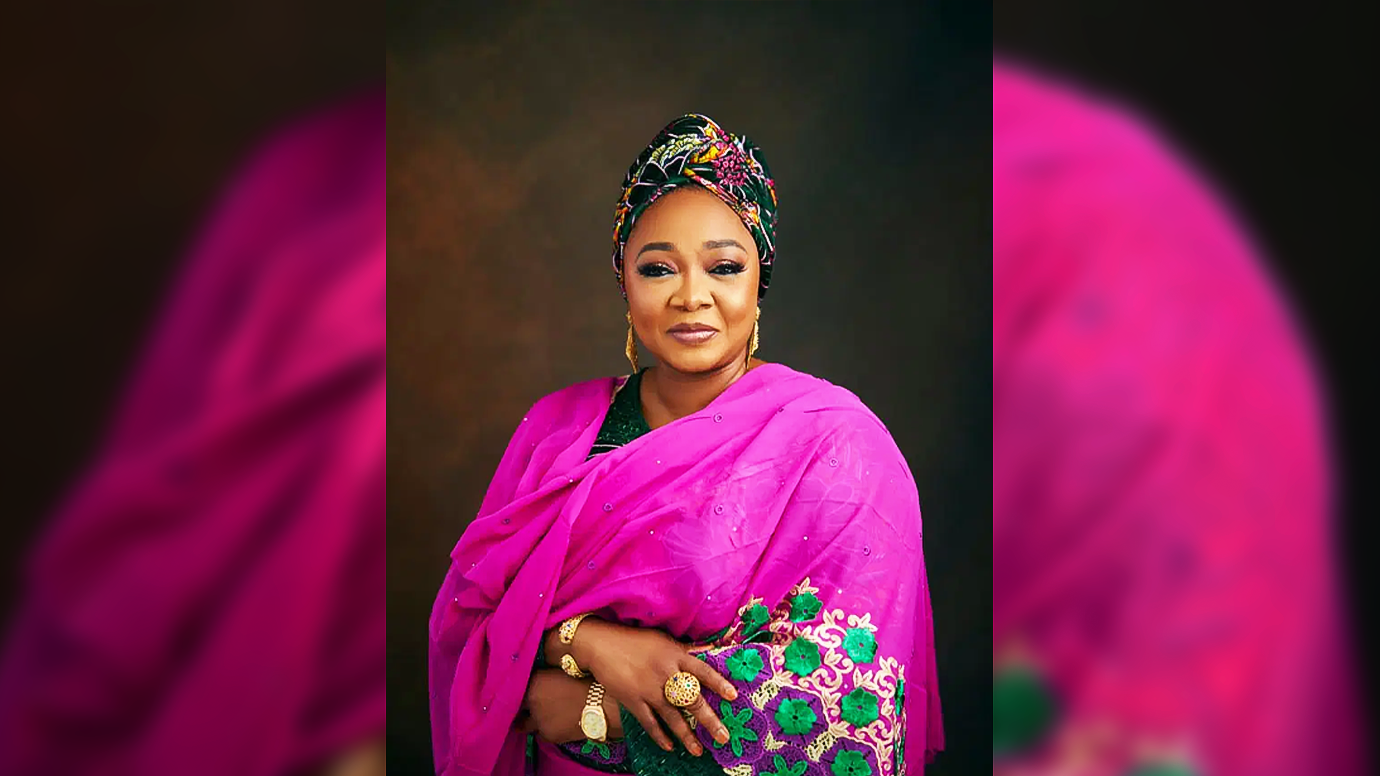
The Federal Government and key stakeholders have called for the urgent expansion of services for survivors of Gender-Based Violence (GBV), stronger enforcement of laws protecting women and children, and accelerated political inclusion of women, as Nigeria marks the 2026 International Women’s Day (IWD).
The Minister of Women Affairs and Social Development, Imaan Sulaiman-Ibrahim, made the call over the weekend in Abuja during a high-level ministerial press briefing to flag off Nigeria’s 2026 International Women’s Day activities and the country’s participation in the 70th session of the Commission on the Status of Women (CSW70).
Sulaiman-Ibrahim noted that although Nigeria has made progress in strengthening legal frameworks and social protection systems for women and families, urgent action is still required to close persistent gaps in protection services and political representation.
She revealed that Nigeria currently operates about 50 Sexual Assault Referral Centres (SARCs) across the 36 states and the Federal Capital Territory, describing the number as grossly inadequate for a population of over 200 million people.
According to her, international standards recommend at least one SARC per 400,000 people, meaning Nigeria should have a minimum of 500 centres nationwide.
The minister therefore called for sustained investments and partnerships to expand survivor-centred services, strengthen prevention mechanisms, and ensure that perpetrators of violence against women and girls are held accountable.

She also renewed calls for the passage of the Reserved Special Seats Bill, aimed at addressing the persistent under-representation of women in elective offices, describing the proposed legislation as a critical step toward inclusive governance.
“Women’s economic and leadership empowerment remains central to Nigeria’s progress. While women now hold strategic leadership roles in government and major institutions, representation in elective positions remains significantly low,” she said.
Sulaiman-Ibrahim stressed that increasing women’s participation in politics must go beyond symbolic representation, highlighting the need for deliberate mentorship, training, and institutional support to build a strong pipeline of women leaders.
She further highlighted the Federal Government’s ongoing Renewed Hope Social Impact Interventions, including nationwide women’s empowerment programmes, improved access to finance for women-led businesses, agricultural value chain initiatives for female farmers, and clean energy programmes that support women entrepreneurs.
In his remarks, the Minister of Finance and Coordinating Minister of the Economy, Wale Edun, emphasised the need for stronger collaboration among government institutions, development partners, civil society organisations, and the private sector to advance gender equality and social protection.
Edun disclosed that these social intervention programmes had already reached about nine million households, with plans to expand coverage to 15 million households nationwide.
Also speaking, the UN Women Country Representative to Nigeria, Beatrice Eyong, called for sustained efforts to dismantle structural barriers limiting women’s full participation in governance, economic life, and decision-making.
Eyong noted that although Nigerian women are among the most resilient and resourceful globally, they continue to face systemic challenges, including limited access to financing, leadership opportunities, and protection from violence.
“Advancing women’s rights requires not only policy commitments but measurable actions that translate into real improvements in the lives of women and girls,” she said.

