 Follow Us on Google News
 Follow Us on Google Discover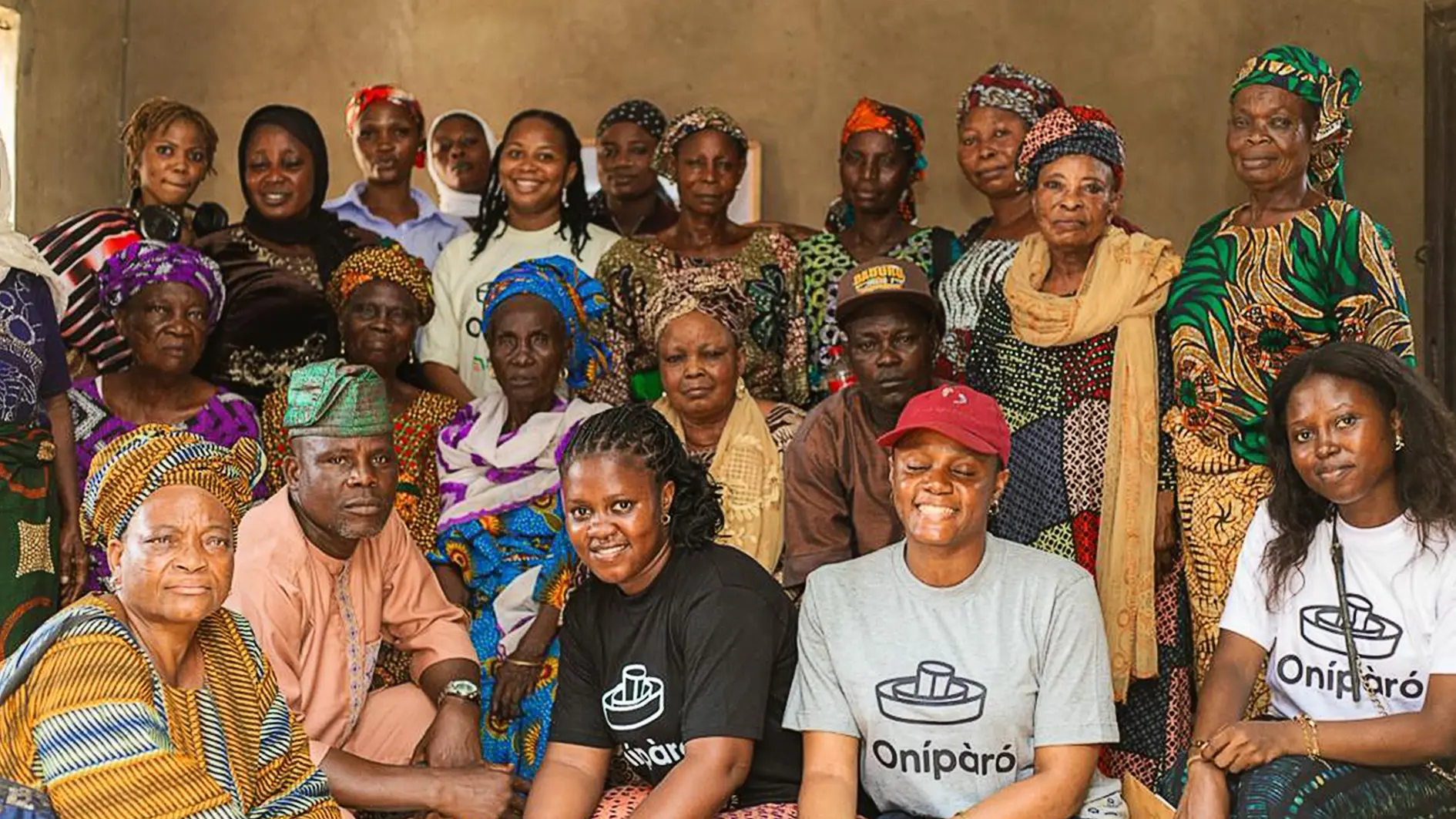
A youth-led climate action group, EcoSmart Club, has launched the Oniparo Project, a nine-month research initiative aimed at highlighting the role of informal clothing collectors in reducing textile waste and promoting sustainable fashion practices in Nigeria.
The project, which will run from March to October 2026, seeks to examine the environmental impacts of fast fashion and document how women engaged in the traditional Oniparo trade contribute to the circular economy by collecting and redistributing used clothing.
Oniparo, a Yoruba term for people involved in exchange trade, refers to women who move from house to house collecting discarded or fairly used clothes, which they exchange for money or household items such as buckets and basins.
Founder of EcoSmart Club, Hannah Omokhaye, said the women play a significant role in promoting clothing reuse while providing affordable clothing for low-income communities across Nigeria and parts of West Africa.
According to her, the trade also serves as a vital source of livelihood for many families.
“These women are pioneers of the circular economy in Nigeria. They help reduce textile waste while ensuring that clothing remains accessible to low-income communities,” Omokhaye said.
She, however, noted that the practice is gradually declining due to economic changes, shifting consumer preferences toward disposable fashion, and climate-related challenges that affect the women’s mobility and health.
Omokhaye added that the project would help document the contributions of the women and raise awareness about the importance of sustainable fashion and zero textile waste.
Project Manager of the Oniparo Project, Oluwatoyin Ajao, said the initiative which is being supported by the African Climate Alliance, would also promote policy discussions around sustainable fashion and the inclusion of women who play key roles in Nigeria’s informal circular economy.
“This project uses inclusive storytelling to preserve culture while showcasing Afrocentric solutions to global issues such as textile waste and environmental sustainability,” Ajao said.
According to the United Nations Environment Programme (UNEP), about 92 million tonnes of textile waste are generated globally each year, with large volumes either incinerated or dumped in landfills.
The agency also noted that textile waste contributes about 10 per cent of global greenhouse gas emissions and 20 per cent of wastewater, while around 35 per cent of ocean microplastic pollution originates from fashion industry activities.

