 Follow Us on Google News
 Follow Us on Google Discover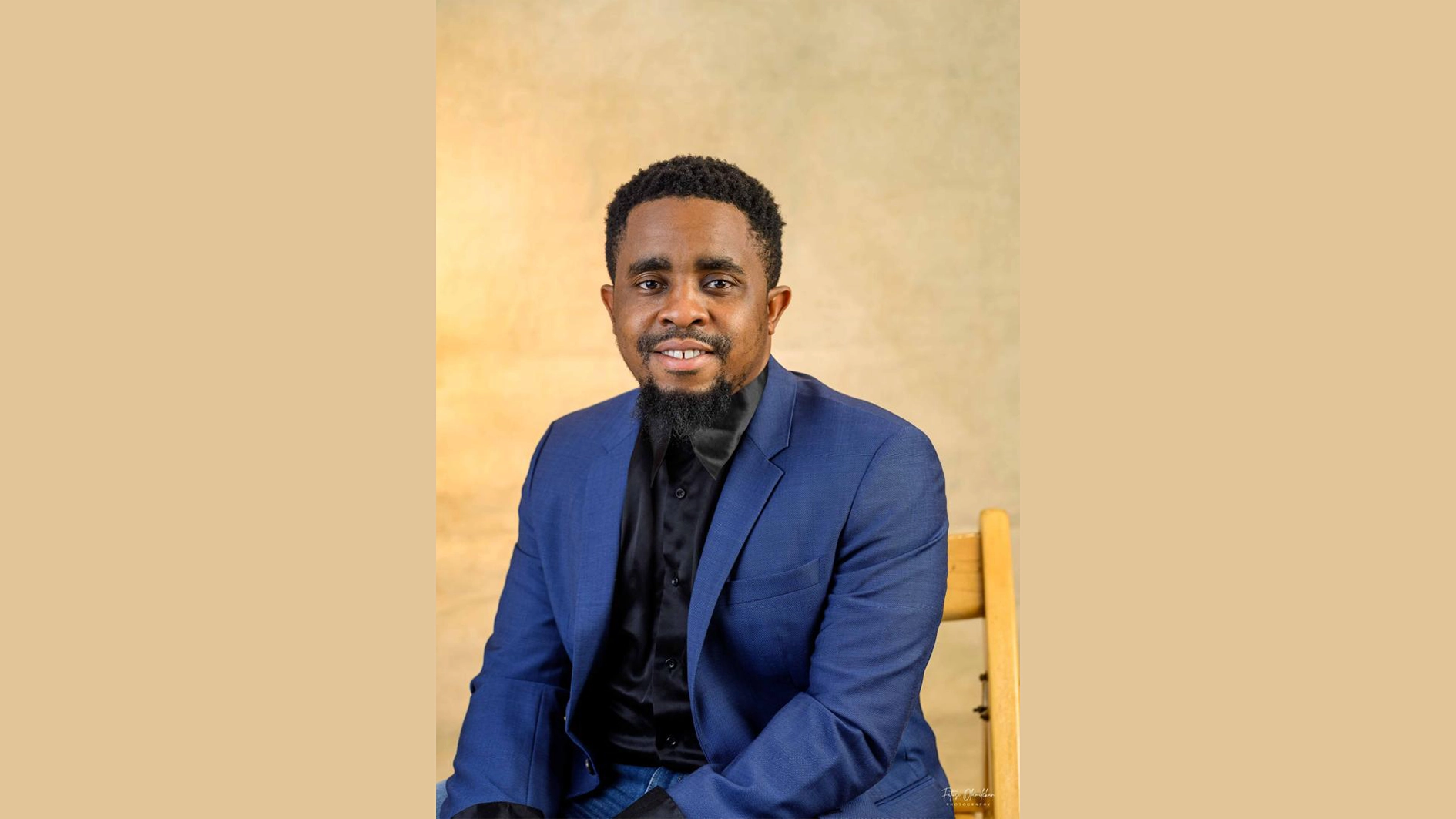
Across Africa, the digital revolution has transformed commerce, communication, and creativity. Internet access is expanding, mobile payments are thriving, and millions of entrepreneurs now rely on global platforms to reach customers.
Yet, according to technology strategist and entrepreneur Osazee Nathaniel Oboh, Africa’s digital participation has not yet translated into true ownership.
“For years, Africa has been celebrated as the next billion users. Participation was phase one. Ownership is phase two—and that is where real power will be decided,” Oboh said.
The Challenge of Platform Dependence
African businesses operate daily on platforms built abroad. Social media drives brand visibility, cloud services host data, and global payment systems facilitate transactions. While these systems create opportunities, they also expose a structural imbalance:
Data is generated locally.

Users live locally.
Culture is created locally.
Yet most economic value is monetised elsewhere.
“This isn’t emotional—it’s economic. If we don’t own the rails, we don’t control the future,” Oboh explains.
Beyond Startups: Building the Infrastructure
Africa has proven its capacity to innovate—from mobile money in East Africa to fintech hubs in West Africa and creative-tech clusters across the continent. But Oboh argues that the next leap requires local infrastructure ownership, including:
African-controlled data governance and storage frameworks
Expanded cloud and server infrastructure hosted on the continent
Protection and monetisation of African intellectual property
African-led investment capital with a focus on long-term growth
“Apps are important,” he says, “but the countries that own the pipes, rails, and rules will write the next chapter of the global economy.”
Digital Sovereignty as Strategic Leverage
Globally, nations are rethinking reliance on foreign technology. Questions of data control, AI governance, and cybersecurity now dominate national policy debates.
“Ownership isn’t isolation—it’s leverage. Global partnerships are strongest when you bring assets to the table,” Oboh said.
As cloud capacity, artificial intelligence, and data reshape global power structures, Africa’s control of its digital infrastructure will increasingly define economic independence.
A Mindset Shift for the Next Generation
For Oboh, the transformation must begin with mindset.
“For too long, we celebrated how quickly we adopt other people’s innovations. The real test now is how confidently we export our own,” he said.
He calls for coordinated policies, sustained infrastructure investment, and education systems that empower young Africans to build frontier technologies, not just use them.
With its youthful population and expanding digital ecosystem, Africa’s role in shaping the global economy is growing. The critical question, Oboh insists, is no longer about participation—it is about ownership.

