 Follow Us on Google News


 Follow Us on Google Discover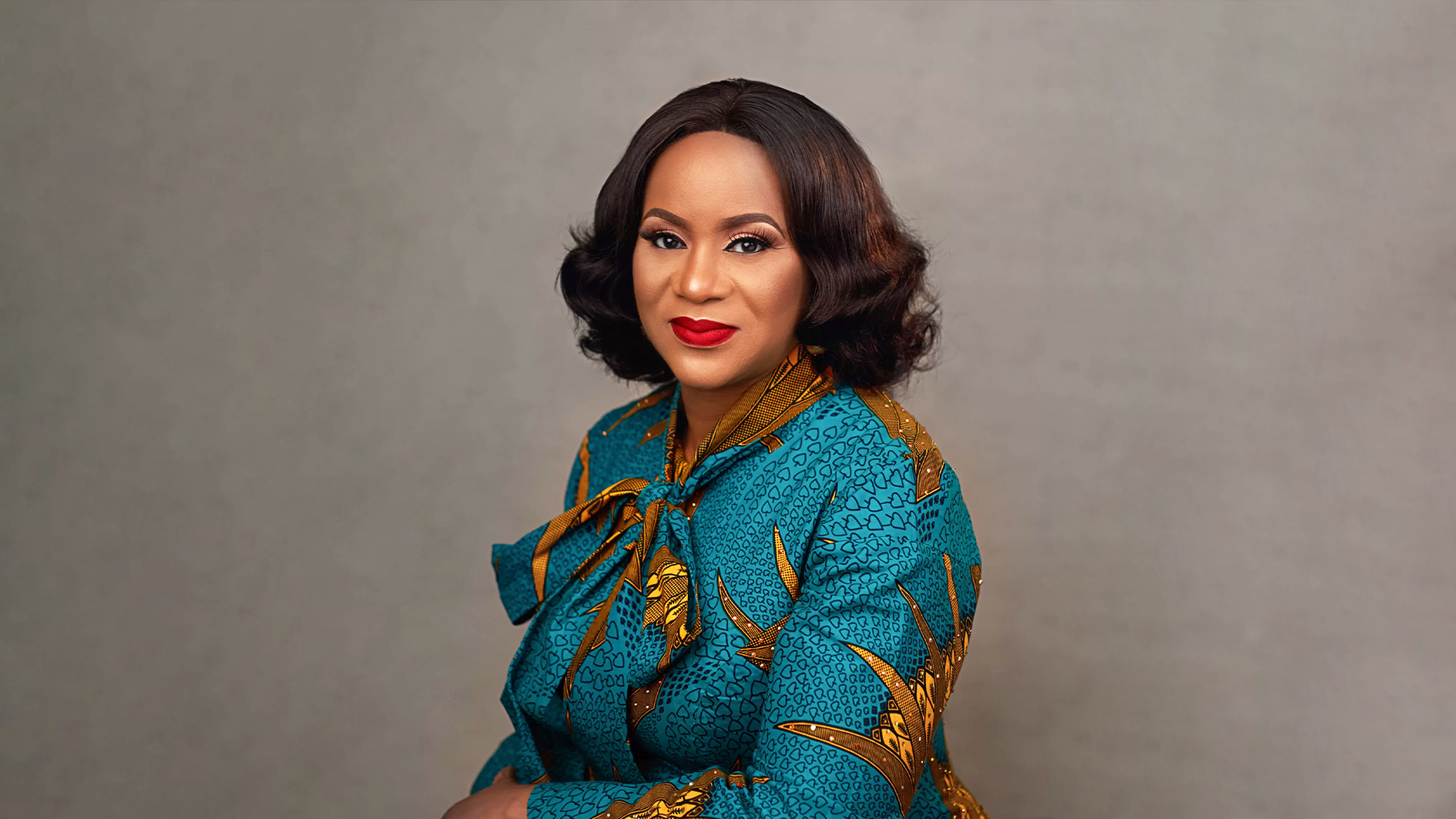
As the global community marks International Women’s Day 2026, calls have intensified for deeper inclusion of women in top leadership positions across the energy sector, including the gas value chain.
The Chief Executive Officer of Falcon Corporation Limited, Audrey Joe-Ezigbo, urged stakeholders to strengthen efforts at appointing women into strategic decision-making roles within the industry, noting the gradual but insufficient rise of female leadership in the sector.
She observed that more women are emerging as chief executives and managing directors across energy sub-sectors, describing the development as a significant shift in an industry that was previously dominated by male leadership.
Joe-Ezigbo highlighted the policy influence of the Special Adviser to the President on Energy, Olu Arowolo Verheijen, noting that her advocacy has helped to shape national conversations around energy reform and investment mobilisation.
She referenced the appointment of Chief Executive Officer of the Nigerian Upstream Petroleum Regulatory Commission (NUPRC), Oritsemeyiwa Eyesan, describing it as a milestone in regulatory governance and a reflection of growing institutional openness to diversity.
Across power and oil and gas sectors, she noted, the rising influence of female executives, including Folake Soetan of Ikeja Electric, Jennifer Adighije of Niger Delta Power Holding Company; Wola Joseph-Condotti of Eko Electricity Distribution Company and Elozino Olaniyan of Midwestern Oil and Gas Company.

Others, she said, were Catherine Uju Ifejika of Brittania-U Nigeria Limited and Seinye Lulu-Briggs of Moni Pulo Limited.
Joe-Ezigbo said the increasing willingness of boards and shareholders to entrust women with strategic operational responsibilities reflects a maturing governance culture within the industry, adding that leadership selection is gradually becoming more merit-driven.
“Each of these appointments sends a powerful message beyond boardrooms and balance sheets. It signals to the world that Nigeria’s energy sector is prepared to compete on the strength of its full talent pool. It signals to investors that governance and leadership selection are becoming more merit-driven.
“And most importantly, it signals to the girl child that there is no part of the energy value chain that is beyond her reach, not the control room, not the trading desk, not the executive suite,” she said.
She commended organisations that have appointed women to complex capital-intensive roles, describing such decisions as “bold and forward-looking” and critical to strengthening institutional credibility and sustainability.
The Falcon chief executive emphasised that the gas sector remained central to Nigeria’s industrialisation and energy security strategy, particularly as the country seeks to expand domestic gas utilisation.
“As we build pipelines, scale distribution networks, and finance critical gas infrastructure, we must also build leadership systems that reflect inclusion and foresight. Gas is central to Nigeria’s transition story. The leadership shaping that story must reflect the diversity of the nation it serves,” she added.
She urged boards, regulators, and investors to institutionalise structured succession planning that promotes diversity rather than treating female leadership appointments as isolated achievements.
“At Falcon, we see inclusion not as a campaign theme but as a governance principle. The progress we are witnessing across the sector should not be episodic. It should be sustained, measurable, and irreversible,” she said.

