 Follow Us on Google News


 Follow Us on Google Discover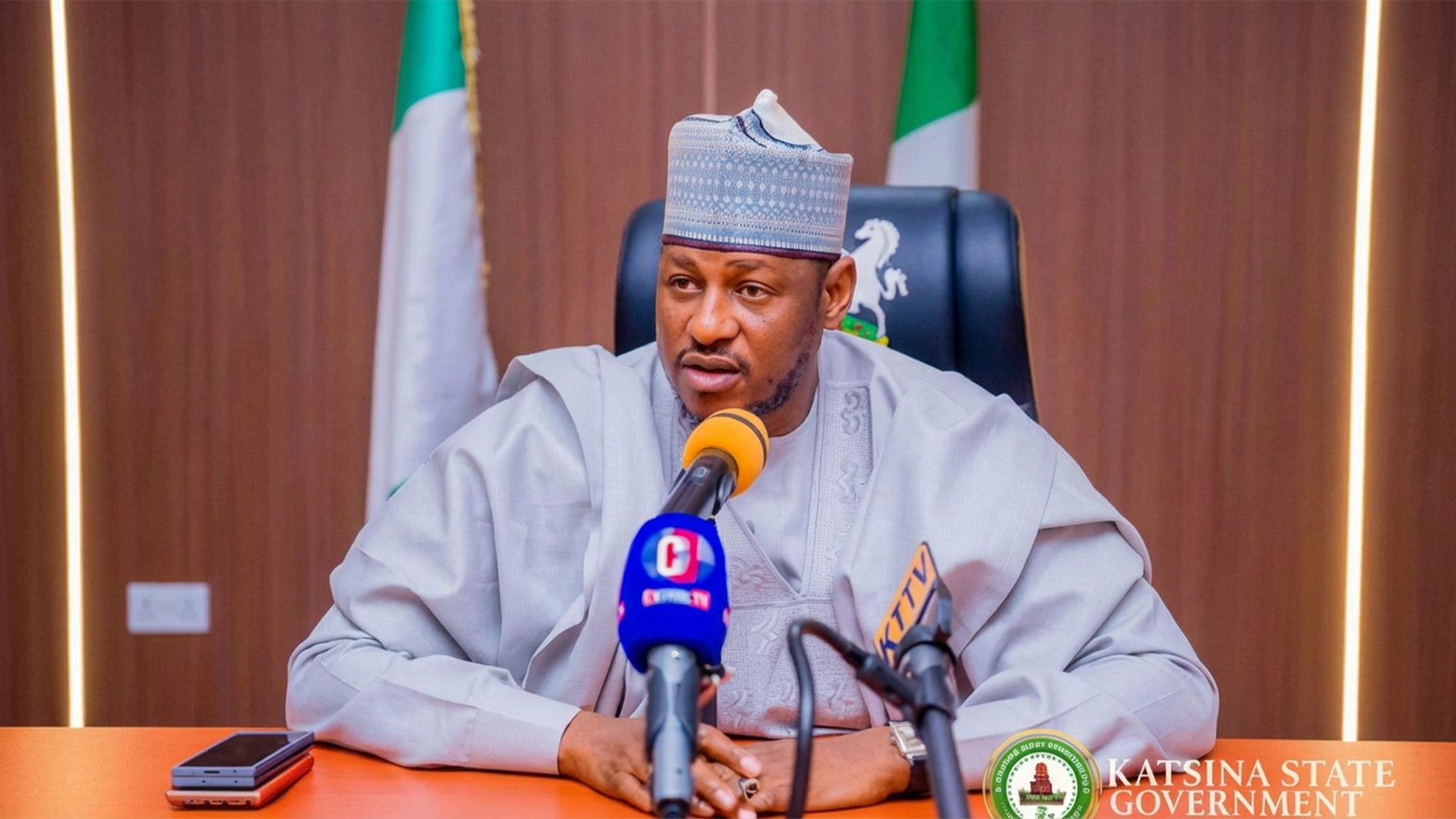
The Katsina State Government says it has commenced domesticating the National Policy on Safety, Security, and Violence-Free Schools (NPSSVFS) with the view of addressing security challenges affecting the teaching-learning process in the state.
The state Commissioner, Ministry of Basic Secondary Education, Yusuf Jibia, made this known on Friday at the official inauguration of the state Steering Committee on Safe Schools, held at the Educational Resource Centre (ERC), in the state metropolitan area.
Jibia described the inauguration as a landmark moment in ensuring that every child in the state learns in an environment free from fear and harm.
He reiterated that education remains a top priority for state government, adding that meaningful learning can only take place in environments where safety, dignity and protection are guaranteed.
He highlighted the commitment of Governor Dikko Radda to advancing education and wellbeing of children through strategic policies and investments, emphasising that schools across the state face a variety of risks, from insecurity to natural hazards and violence, and that addressing these challenges requires a coordinated, multisectoral approach.
The commissioner said the newly inaugurated steering committee will provide strategic leadership, coordinate efforts across government agencies, security institutions, civil society, development partners, and communities, and oversee the domestication and implementation of the national policy in the state.

Jibia acknowledged the role of development partners in this initiative, including Save the Children International (SCI), Education Cannot Wait (ECW), and UNICEF, noting their contributions to child protection and safe learning environments, particularly for children affected by emergencies.
Speaking, Deputy Director of Programme Influencing at Save the Children, Badar Musa, said the initiative follows Nigeria’s endorsement of the Safe Schools Declaration in 2015, which laid out minimum standards and a framework for protecting schools nationwide.
Musa explained that states were encouraged to set up steering committees to domesticate and implement the national policy.
He described Katsina’s commitment to domestication as a significant achievement, adding that the state will be the fifth in the country to domesticate the policy, demonstrating genuine dedication to child protection and school safety.
Musa explained that schools must remain safe spaces for learning and should not be used as operational bases by state and non-state actors, warning that such practices could put students and teachers at risk during attacks.
He urged stakeholders to actively support the initiative, emphasising that protecting schools is a shared responsibility that ensures children in Katsina receive uninterrupted, high-quality education in safe and secure learning environments.

