 Follow Us on Google News
 Follow Us on Google Discover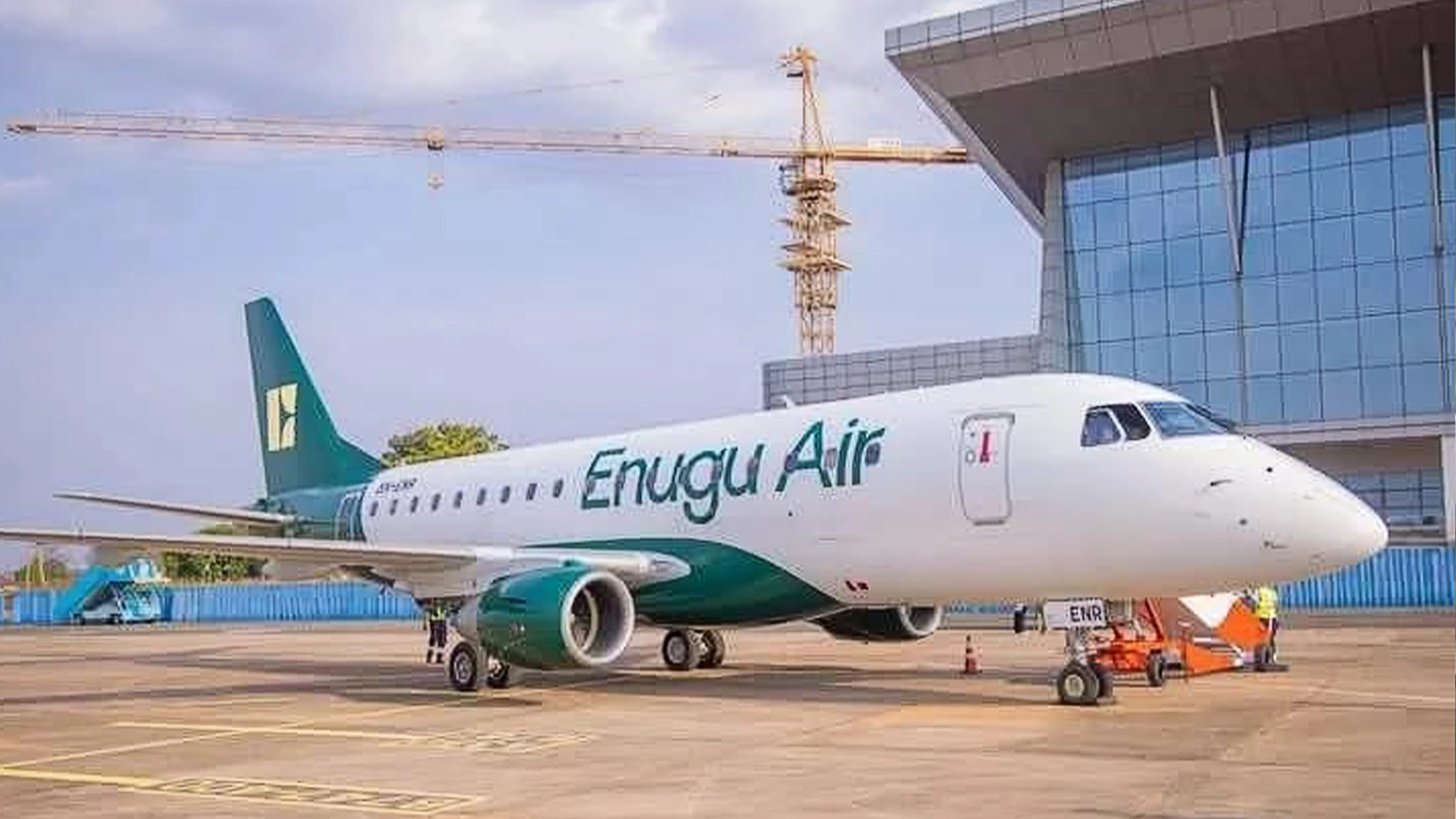
Nigeria’s aviation challenges are not caused by a shortage of airline operators, but due to the absence of a coordinated aviation structure.
This was the view of aviation analyst Gbenga Onitilo when asked by The Guardian about the recent granting of an Air Operator’s Certificate to the state-owned carrier Enugu Air by the Nigerian Civil Aviation Authority (NCAA).
Onitilo expressed concern that the absence of structural and operational issues continued to undermine the airline’s sustainability in the country.
Some of the structural challenges, according to him, are volatile aviation fuel prices, Maintenance, Repair and Overhaul (MRO) facilities, infrastructure gaps, and foreign exchange pressures on aircraft leases, spare parts procurement, and heavy maintenance.
He stated that while the emergence of airlines such as Enugu Air may generate excitement in some quarters, the fundamental challenge facing the industry was not the number of carriers but the need for stronger, more sustainable airlines.
According to him, Nigeria already operates a crowded domestic aviation market regulated by the NCAA, with several operators competing within a relatively limited passenger market.
He stated that the NCAA had already confirmed that at least five new AOCs had been issued to prospective airlines within the past year, allowing them to commence commercial operations, while several other intending operators were still undergoing the same certification processes.
Onitilo posited that despite the country’s population of over 220 million, domestic air traffic continued to concentrate on a few major routes, such as Lagos–Abuja, Lagos–Port Harcourt, Abuja–Port Harcourt, Lagos–Kano, and Abuja–regional state capitals.
He posited that a large portion of domestic passenger traffic, estimated at about 65 per cent, was concentrated on these trunk routes, particularly the Lagos–Abuja corridor.
He warned that when more than 10 airlines compete for the same passenger base, ticket yields tend to decline while operational costs continue to remain high, making it difficult for airlines to achieve financial sustainability.
He added: “These realities mean airlines must achieve scale, operational discipline and strong capitalisation to survive.
“But the industry structure today tells another story: fragmented fleets, thin balance sheets, and multiple carriers competing for the same passengers.
“This is why the discussion around Enugu Air should not simply be about another airline entering the market, but about the strategic role it will play in expanding the aviation network.”
Onitilo emphasised that the debate about the emergence of new airlines, including Enugu Air, should concentrate more on their strategic role in expanding Nigeria’s aviation network, rather than solely on increasing the number of operators.
He said Enugu Air could contribute to the industry if I focused on opening underserved routes, strengthening regional connectivity and developing links between secondary cities in West Africa.

