 Follow Us on Google News
 Follow Us on Google Discover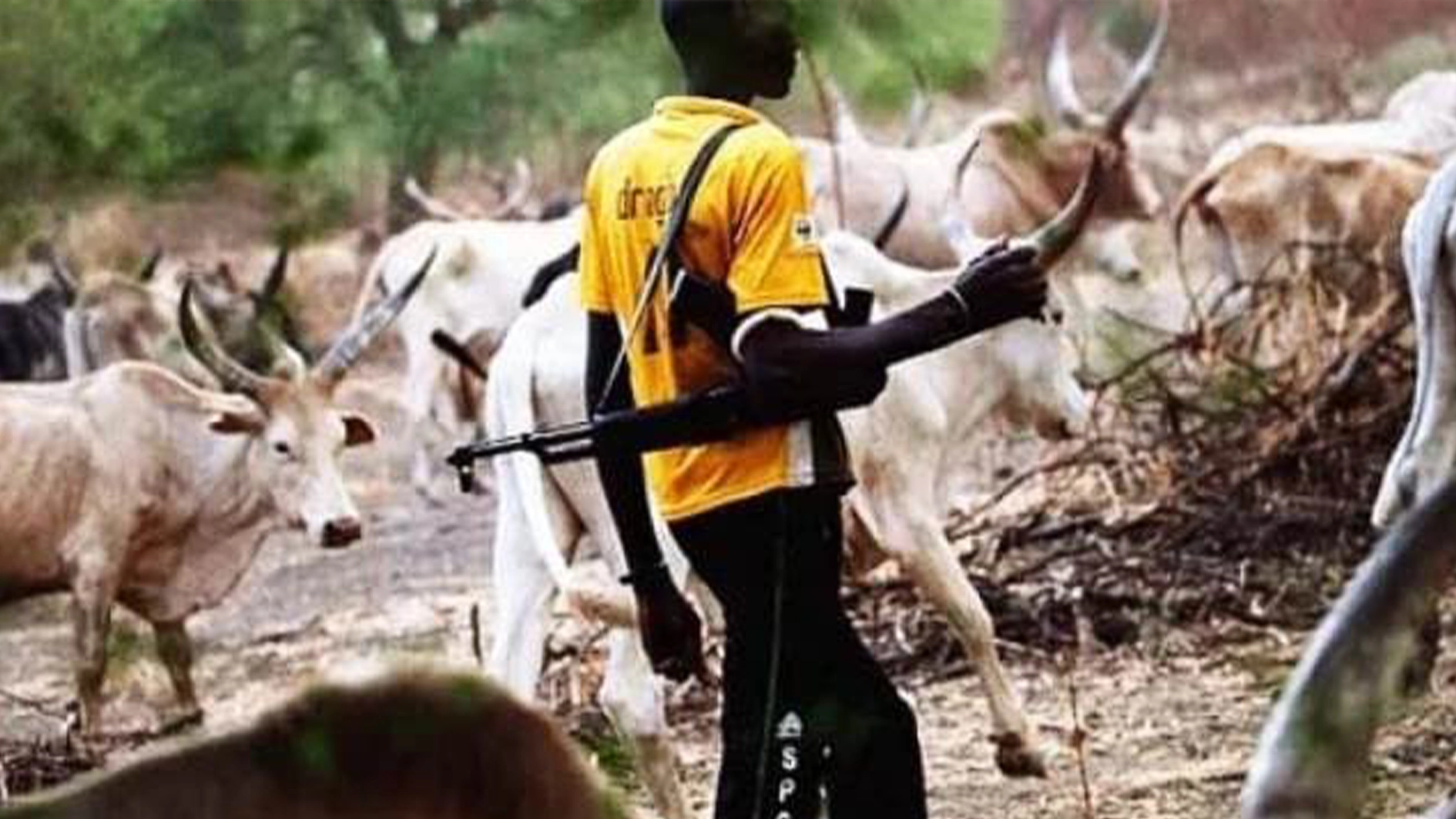
Civil Society urges media
Civil society organisations have urged journalists to move beyond sensational coverage of violent clashes and instead embrace solution-driven reporting that highlights practical pathways to resolving the persistent farmers–herders crisis in Nigeria.
The call was made on Monday in Abuja by Ijeoma Nwafor, Country Representative of HiiL, during a media interaction with journalists.
Nwafor said the media plays a powerful role in shaping public understanding of conflicts and should focus more attention on stories that promote dialogue, mediation and community-based solutions rather than narratives that inflame tensions.
According to her, many communities across Nigeria already have traditional mechanisms for settling disputes peacefully, and journalists can help bring such efforts to national attention.
“We want the media to highlight what works — the traditional and community structures that help people resolve disputes before they escalate,” she said.
The engagement also featured the unveiling of a new research-based framework titled “Guidelines for the Prevention and Resolution of Conflicts Between Farmers and Herders.” The document was developed under the Strengthening Peace and Resilience in Nigeria (SPRING) programme.
The initiative is implemented by HiiL with support from the UK Foreign, Commonwealth and Development Office.
The guidelines focus on four states—Kaduna State, Katsina State, Plateau State and Benue State—which have experienced recurring tensions between farmers and pastoralists over land, water and grazing routes.
Organisers said the framework was designed to reduce violent clashes by introducing practical tools for managing land disputes and strengthening peaceful coexistence in affected communities.
They explained that the guidelines emerged from extensive research and consultations with traditional rulers, community leaders, legal experts and other stakeholders across the four states.
Committees of experts coordinated the research in each location. In Kaduna, the process was led by Dr. Clement Kuliyak, while Theodore Chia coordinated the work in Benue. Fatimah Tijjani led also led an expert team involved in the study from Zamfara, while Bar Redzie Jugo led for plateau
The research found that the nature of the conflict varies across states. In Plateau, disputes often revolve around competition over scarce natural resources and fragile community relations. In Benue, the crisis goes beyond disagreements over crops or grazing land and is closely tied to issues of history, identity, trust and survival among communities.
To strengthen local capacity for resolving disputes, about 600 community members were trained in each of the participating states on mediation and grassroots conflict-resolution mechanisms.
The guidelines recommend several preventive strategies, including better coordination of land use between farmers and pastoralists, strengthening community mediation systems, and creating transparent procedures for assessing damages and compensation when conflicts occur.
Responding to question from journalist, during the sessions, Ihekoronye Danian, Lead advocate of the SPRING programme, also urged government authorities to regulate illegal mining activities, which he said are increasingly aggravating conflicts in some communities.
According to him, research has shown that disputes over land sometimes intersect with mining interests, leading to power struggles among miners, landowners and other local actors.
Officials of HiiL noted that many farmers–herders clashes are often framed as ethnic or purely security crises, whereas the underlying drivers are frequently disputes over land, water sources and other shared natural resources.
They said the newly developed guidelines aim to address these root causes by promoting people-centred justice approaches that empower communities to resolve disputes fairly and peacefully.
HiiL, an international organisation dedicated to making justice systems accessible and effective for ordinary people, works with government institutions, civil society groups, researchers and community leaders in Nigeria to expand access to justice and strengthen peaceful dispute resolution.
Under the SPRING programme, the organisation supports communities and institutions to prevent conflict, build resilience and promote stability in areas affected by farmers–herders disputes.
Organisers said the media interaction was convened to encourage more responsible reporting that highlights prevention, mediation and community-driven solutions capable of reducing violence and fostering lasting peace.

