 Follow Us on Google News
 Follow Us on Google Discover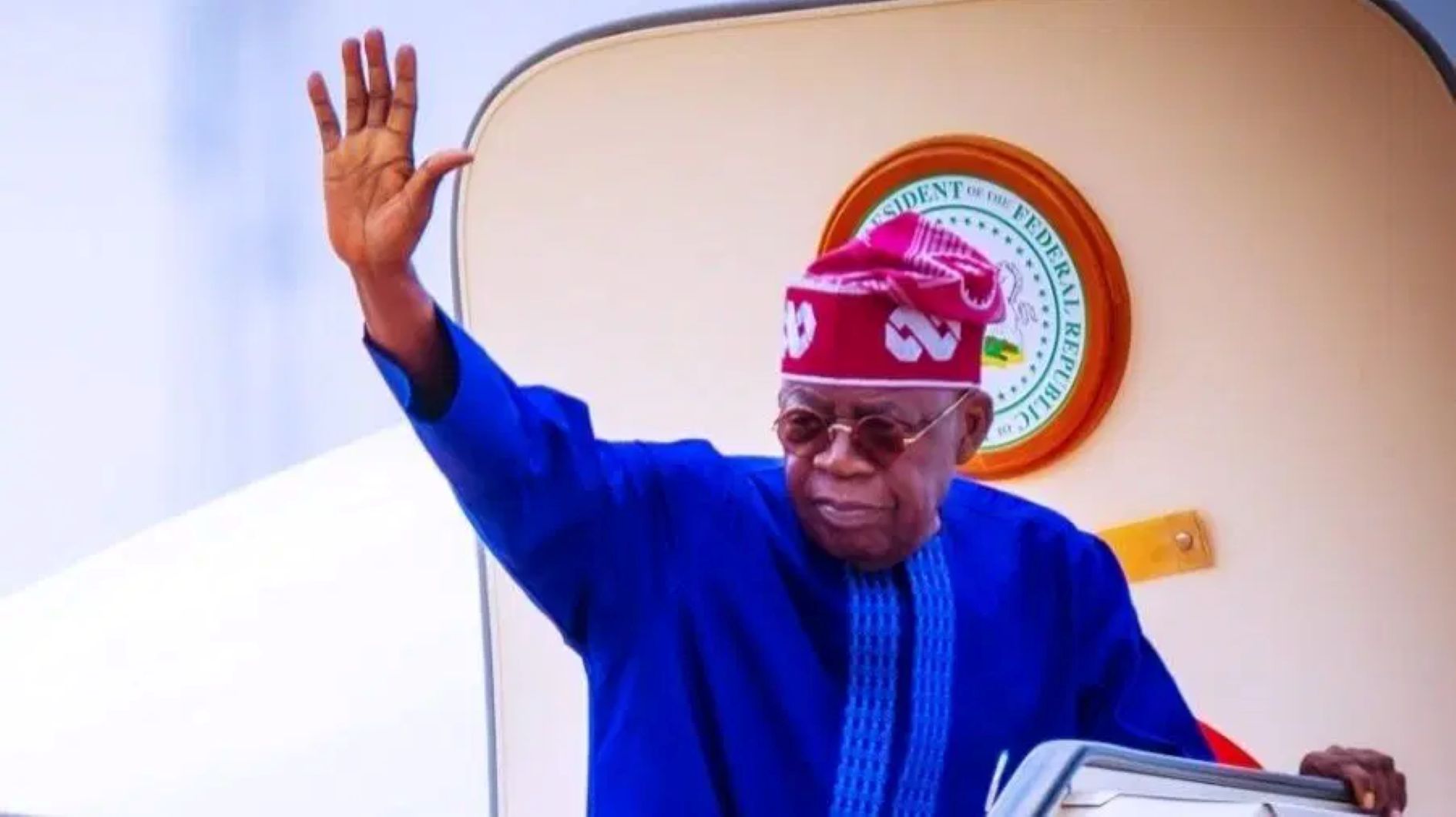
• Reps demand transmission of agreements to N’Assembly
• 37 years after, visit carries economic, diplomatic prospects
President Bola Tinubu will today travel to the United Kingdom (UK) to begin a state visit to the country following an invitation from King Charles III and Queen Camilla, who are expected to host the Nigerian leader and his wife, Oluremi, at Windsor Castle.
The President’s itinerary indicates bilateral talks with UK Prime Minister, Keir Starmer, interactions with Diasporan Nigerians.
Being the first official visit by a Nigerian leader in the past 37 years, Tinubu’s visit goes beyond pomp, as it offers a great opportunity to strengthen the bilateral economic ties between the two countries.
The last time there was such a state visit by Nigeria’s head of government was in 1989, when General Ibrahim Babangida was a guest of the Crown.
Former Nigerian head of state, retired General Yakubu Gowon, who also visited the UK in 1973, at the weekend, called on Tinubu in the Villa, in what was gathered as part of a broad plan to ensure that the President’s visit comes out successful on several counts, including diplomacy, bilateral political and trade relations, as well as regional stability.
As a former colony, Nigeria’s volume of trade with Britain has verged towards the £10 billion mark, showing remarkable improvement in the economic front.
In 1972, when the military government nationalised the Shell British Petroleum company, there was a lot of recrimination over the indigenisation policy, which hit many British concerns in the country.
Tinubu’s visit, therefore, will help to deepen strategic cooperation, enhance agreements on environmental sustainability, and project renewed diplomatic visibility at a time the country is navigating a difficult reform programme at home.
Ahead of the President’s historic visit, expectations are mounting over the potential outcomes of the trip, particularly in the areas of trade, migration, investment, security cooperation, environmental sustainability, carbon market, economic and financial crimes, including illegal bunkering, as well as diplomatic relations between both countries.
The visit is widely seen as an opportunity to deepen Nigeria–UK bilateral ties, attract foreign investment into key sectors of the Nigerian economy, and strengthen collaboration on issues such as education, technology, and infrastructure development.
Government officials say the trip will also provide a platform for high-level engagements with British political leaders, business executives and members of the Nigerian Diaspora, aimed at advancing Nigeria’s economic reform agenda and promoting international confidence in the country’s development trajectory.
Anticipating a robust bi-national deal, the House of Representatives said any bilateral agreement, Memorandums of Understanding (MoUs) or treaties signed during the state visit must be transmitted to the National Assembly for consideration and ratification.
Chairman of the House Committee on Foreign Affairs, Oluwole Oke, told The Guardian that such agreements must comply with constitutional provisions requiring legislative approval before they can take effect in Nigeria.
On the expectations of the National Assembly from the visit, the committee chairman said parliament anticipates that the executive arm, particularly the Ministry of Foreign Affairs and the Presidency, would brief lawmakers on the objectives and outcomes of the trip.
That briefing, he noted, may come through a formal engagement with the House Committee on Foreign Affairs or through a report laid before the House.
He remarked: “Lawmakers may approve them (formal agreements reached) or recommend amendments where necessary. State visits often lead to investment pledges and economic cooperation frameworks. Parliament expects such commitments to be transparent and beneficial to the country.”
Founder and Chief Executive Officer of Prakis Educational Services, Prof. Aderemi Obilana, noted that Nigeria’s push into the global carbon economy is anchored on the implementation of the National Carbon Market Activation Policy (NCMAP), a framework designed to structure and regulate carbon trading in the country.
According to him, the policy is central to Nigeria’s plan to attract international investments, strengthen climate governance, and accelerate sustainable development initiatives.
He explained that the visit provides an opportunity to mobilise technical expertise and financial backing that would help operationalise the policy and position Nigeria as a leading green industrial powerhouse on the African continent.
Prof. Obilana, who doubles as a visiting professor at the University Institute of Applied and Human Sciences, Republic of Chad, as well as an independent contractor at the University of South Africa, further noted that the carbon market holds significant revenue potential for the country.
Tinubu had projected that Nigeria’s carbon market could generate between $2.5 billion and $3 billion yearly once the system becomes fully operational.
Beyond revenue generation, the don stressed that the engagement could help secure the participation of British institutional investors in Nigeria’s newly established National Carbon Registry, which will serve as a transparent platform for tracking carbon credits and climate-related transactions.
AFTER nearly four decades without such high-level engagement, Tinubu’s state visit to the UK is Nigeria’s diplomatic calendar.
With Nigeria grappling with inflation, currency volatility and lingering insecurity, the trip offers Tinubu a platform to sell his administration’s reform agenda to one of the world’s most influential financial and diplomatic centres.
Economic diplomacy is expected to dominate the agenda. Nigeria and the UK maintain one of the largest bilateral trade relationships between Britain and Africa, with commerce spanning oil and gas, financial services, agriculture and technology. London also hosts a significant concentration of Nigerian businesses and financial networks, presenting a strategic opportunity to court investors.

