 Follow Us on Google News


 Follow Us on Google Discover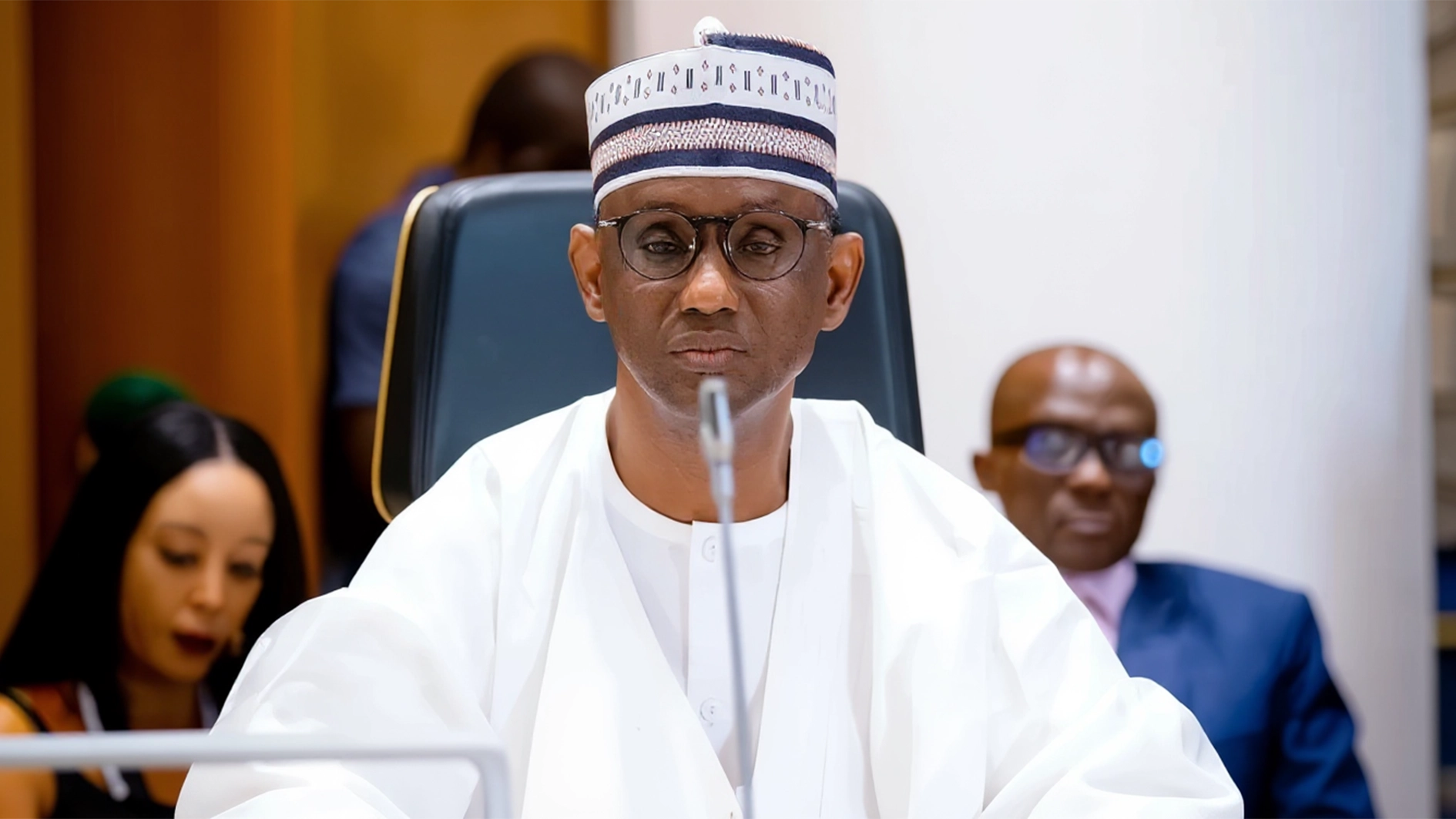
The Democracy Watch Initiative (DWI), on Tuesday, supported the leadership of the National Security Adviser (NSA), Nuhu Ribadu, and criticised a call by retired Nigerian Army General Ishola Williams demanding a security overhaul.
Williams, during an interview on Channels Television on March 15, 2026, questioned the competence of NSA Ribadu, and called for a major restructure of Nigeria’s intelligence system.
In a statement by its Director of Strategic Communication, Tunji Bamidele, the DWI dismissed the claims as “irresponsible” and an “egregious display of ignorance.”
Bamidele said: “General Williams’ assertion that Nuhu Ribadu lacks the requisite qualifications and experience to serve as NSA is not only irresponsible but also an egregious display of ignorance regarding the complexities of national security and the qualifications of the individuals tasked with its oversight.
“Such statements serve only to undermine the efforts of dedicated professionals and to massage the egos of external entities, such as Amnesty International, rather than foster constructive dialogue aimed at enhancing Nigeria’s security framework.
“Nuhu Ribadu is a seasoned security expert whose qualifications and experience are both extensive and relevant to his role as NSA. A former law enforcement officer, Ribadu’s career trajectory has been marked by significant achievements in the fields of law enforcement and anti-corruption.

“His tenure as the head of the Economic and Financial Crimes Commission (EFCC) is particularly noteworthy, where he garnered international recognition for his relentless pursuit of high-level corruption.
“This background equips him with a unique understanding of the interplay between security, governance, and the rule of law. Ribadu’s educational credentials further bolster his qualifications for the position of NSA.
“He earned a law degree from Ahmadu Bello University, followed by a Master of Laws, and completed a senior executive course at the National Institute for Policy and Strategic Studies (NIPSS).
“This robust educational foundation provides him with the analytical skills necessary to navigate the intricate legal and institutional frameworks that underpin national security.
“Since assuming the role of NSA, Ribadu has prioritised intelligence-driven and collaborative security efforts. His administration has made significant strides in combating corruption within security agencies, recognising that integrity is paramount to effective governance.
“Moreover, his implementation of a new forest security strategy has been instrumental in addressing the challenges posed by insurgent groups operating in Nigeria’s forests.
“Under Ribadu’s leadership, there have been notable improvements in Nigeria’s security situation. His strategies have led to the successful rescue of over 11,000 hostages, with an impressive 80% success rate in reducing kidnappings.
“These accomplishments are a testament to the efficacy of his approach and the commitment of his team to ensuring the safety and security of Nigerian citizens.”
Bamidele emphasised that enhanced inter-agency collaboration is pivotal to the success of any security strategy.
He noted that Ribadu has fostered partnerships between the military, police, the Department of State Services (DSS), and local vigilantes, resulting in a reduction in terror activities.
He cited the implementation of a forest security strategy and the dismantling of several terrorist camps as evidence of progress.
He added, “Ribadu’s strategic focus on proactive intelligence and the deployment of technology has transformed Nigeria’s approach to security. The shift towards using advanced technology for criminal tracking and intelligence gathering has proven instrumental in preempting threats and ensuring timely responses to security incidents.
“Recognising that security cannot be achieved in isolation, Ribadu has initiated institutional reforms aimed at addressing the economic drivers of insecurity.
“While challenges remain, particularly in areas still grappling with insecurity, it is crucial to acknowledge the ongoing efforts to improve the situation. Ribadu’s strategies are credited with dismantling several terrorist camps, showcasing the progress made under his leadership.”
The group further emphasised Ribadu’s role in strengthening institutional frameworks, including support for the National Counter Terrorism Centre (NCTC), and efforts to curb terrorism financing.
The DWI stated that constructive criticism should be based on facts and aimed at supporting, rather than undermining, the efforts of those working tirelessly to ensure the safety of all Nigerians.
The initiative called for a more nuanced and informed discourse regarding Nigeria’s security leadership. It pointed out that while it is important to discuss the effectiveness of our security forces, such conversations must rely on factual assessments and an understanding of the complexities involved.
He urged General Williams and other stakeholders to engage constructively and support ongoing efforts to improve Nigeria’s security landscape, rather than resorting to unfounded claims that detract from the hard work being undertaken.

