 Follow Us on Google News


 Follow Us on Google Discover
FAO estimates Nigeria, 30 other African countries require external food aid
World Food Programme (WFP) has warned that about 10.4 million people in West and Central Africa could be pushed into acute food insecurity if the ongoing Middle East conflict persists.
The warning was issued yesterday, in a report published on WFP’s website, highlighting the growing global consequences of the crisis.
The agency noted that, globally, as many as 45 million additional people could fall into acute food insecurity if the conflict continues and oil prices remain elevated, adding to the 318 million people already facing hunger worldwide.
The WFP said the conflict, driven by tensions involving Iran and a combined force of Israel and the United States (U.S.), could trigger a global food crisis due to its impact on energy markets, which are closely linked to food prices.
“If this conflict continues, it will send shockwaves across the globe, and families who already cannot afford their next meal will be hit the hardest,” said Carl Skau. “Without an adequately funded humanitarian response, it could spell catastrophe for millions already on the edge.”
The agency further warned that African countries, particularly those dependent on food and fuel imports, would be among the hardest hit.
“Projections indicate an increase of 21 per cent in food-insecure people for West and Central Africa and 17 per cent for East and Southern Africa,” the report stated.
According to the WFP, the projections were calculated by modelling the impact of sustained high oil prices—around $100 per barrel—on global food systems.
Analysts assessed the number of people unable to afford a minimum energy-sufficient diet (2,100 kcal per day), factoring in rising transportation and food costs, as well as each country’s dependence on imported food and energy.
Meanwhile, the Food and Agriculture Organisation (FAO) warns that a growing number of countries are facing severe food insecurity, with Africa being the most affected region.
The report highlights that conflict and insecurity remain the primary drivers of severe acute food insecurity, with weather-related shocks further exacerbating conditions in several regions.
According to the Crop Prospects and Food Situation Report March 2026, 41 countries worldwide require external assistance for food, of which 31 are in Africa, eight in Asia, one in Latin America and the Caribbean, and one in Europe.
Thirty-one countries of the African continent are found to be in dire straits, encompassing adverse climatic conditions, geopolitical hindrances, conflicts and wars.
These countries are Kenya, Somalia, Sudan, Burundi, Central African Republic, Chad, Democratic Republic of Congo (DRC), Djibouti, Ethiopia, Malawi, Mauritania, Niger, Nigeria, South Sudan, Burkina Faso, Cameroon, Eswatini, Guinea, Lesotho, Liberia, Libya, Madagascar, Mali, Mozambique, Namibia, Senegal, Sierra Leone, Uganda, United Republic of Tanzania, Zambia and Zimbabwe.
According to the report, across the African continent, conflicts, climate variability, high input prices, and displacement continue to affect agricultural production and food security. Countries such as Kenya, Somalia, Sudan, Burundi, the Central African Republic, Chad, DRC, Ethiopia, Nigeria, South Sudan and Mali are facing particularly difficult circumstances.
Middle East: WFP warns 10.4m risk hunger in West, Central Africa
Date: 18 March 2026 4:55am WAT
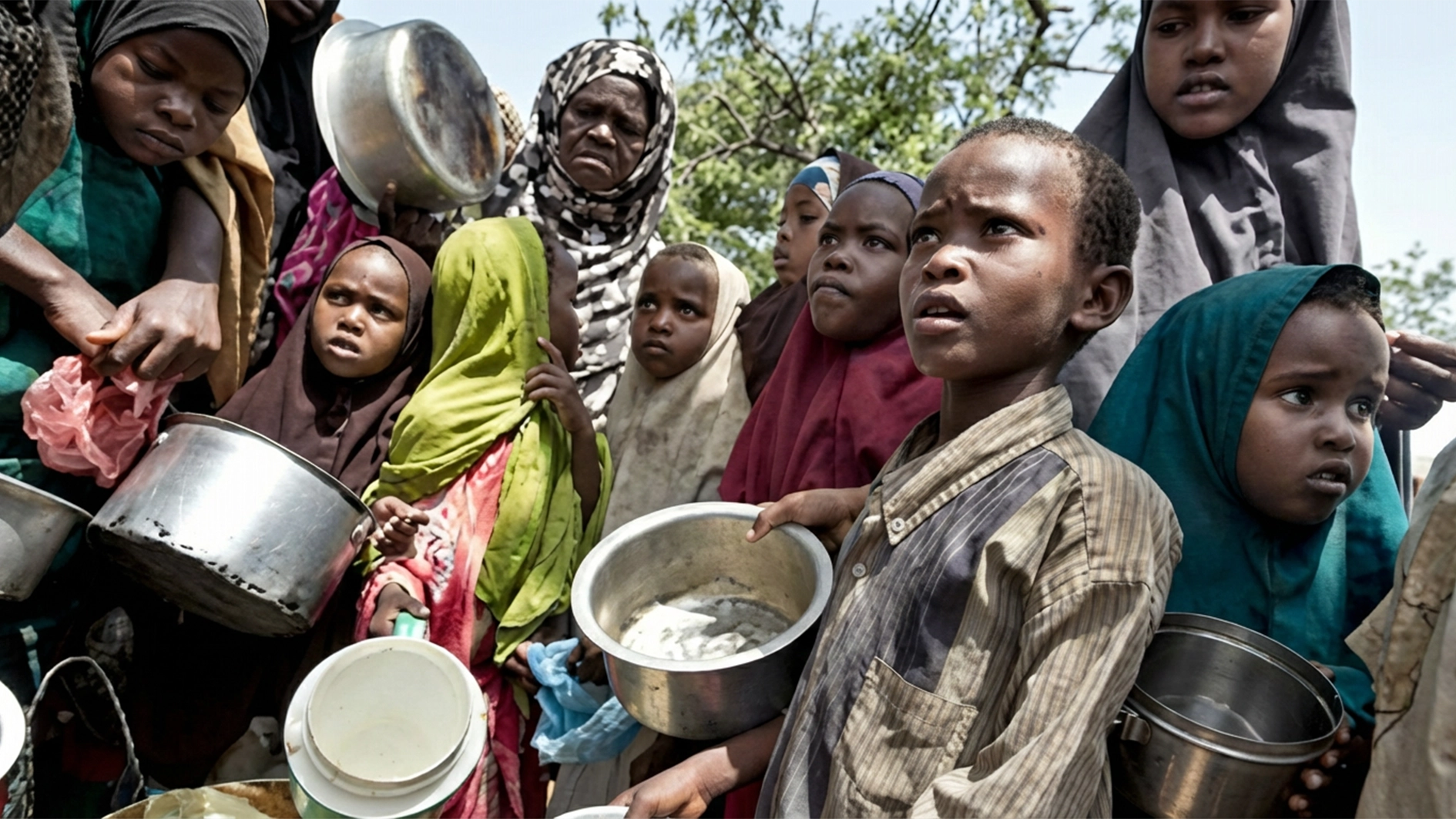
Hunger catastrophe
Hunger catastrophe

