 Follow Us on Google News
 Follow Us on Google Discover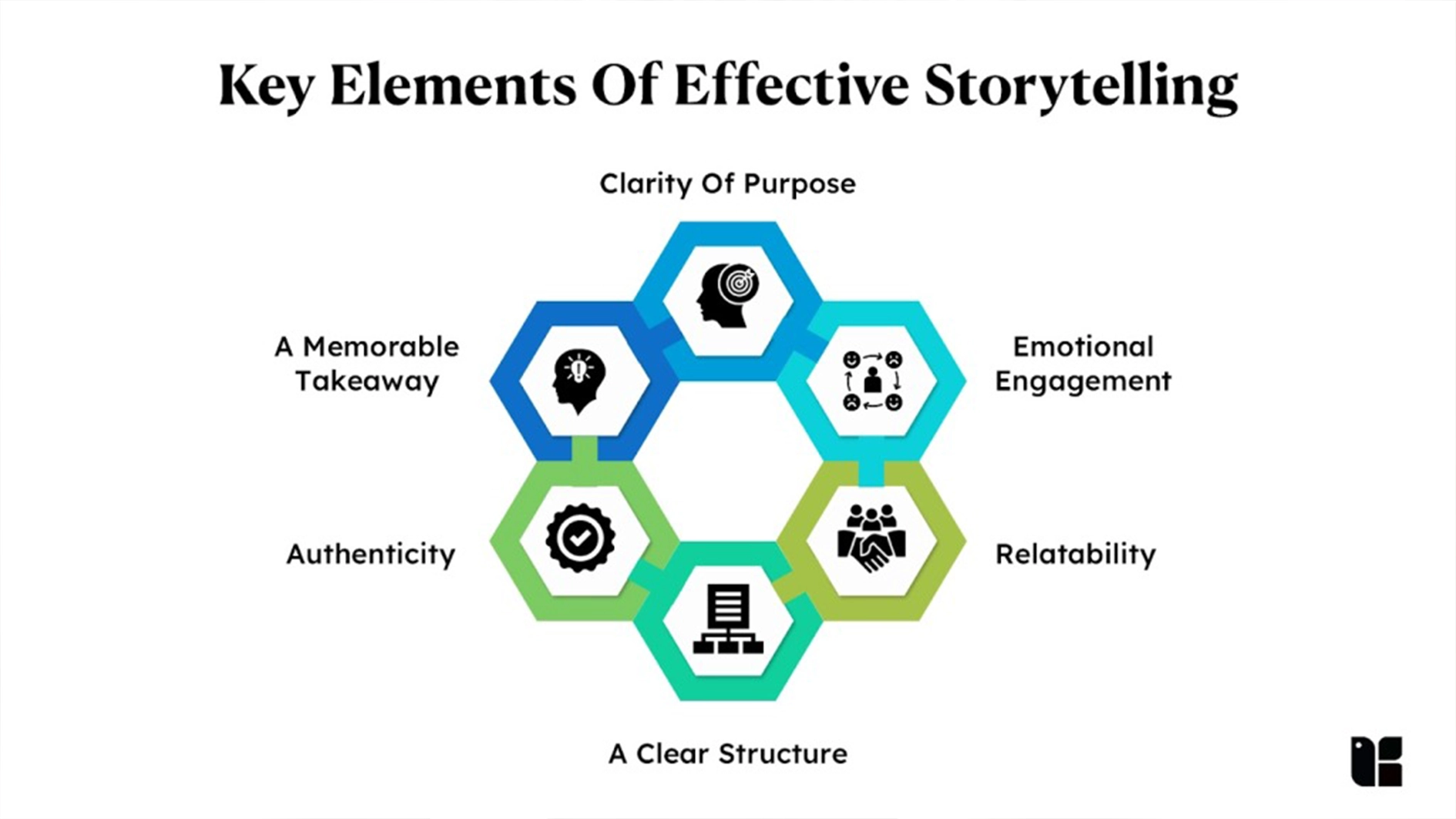
Communication experts and industry stakeholders have highlighted storytelling as a critical tool for organisations seeking to strengthen brand identity, build trust, and influence public policy discourse.
They noted that in an era of information saturation, messages delivered through compelling narratives are more likely to resonate with audiences, as they humanise ideas and make them relatable and memorable.
According to SKOT Communications, storytelling enables organisations to move beyond traditional corporate messaging by creating emotional connections that help audiences understand not only what institutions do, but why their work matters.
“Stories have the power to translate complex ideas into lived experiences,” a communications analyst said. “They make impact visible and relatable, which is essential for building trust and engagement.”
The experts explained that effective storytelling is often anchored on real-life experiences—focusing on individuals, highlighting challenges, and presenting outcomes that demonstrate meaningful change. Such narratives, they said, help transform abstract initiatives into tangible realities.
They also stressed the growing role of storytelling in shaping public policy conversations, particularly in areas where technical data alone may not fully capture the human impact of issues.

Citing environmental concerns such as gas flaring, the experts noted that accounts from affected communities in regions like the Niger Delta have helped draw attention to the realities of pollution, health risks, and economic disruption.
“Data provides scale, but stories provide meaning,” the analyst added. “They bring urgency to issues and make them easier for policymakers and the public to understand.”
In the corporate space, storytelling is increasingly being used as a differentiating strategy, with organisations leveraging narratives to communicate values such as resilience, innovation, and social impact.
Stakeholders observed that brands that incorporate local context—by reflecting the culture, values, and lived realities of their target communities—tend to build stronger credibility and deeper connections with their audiences.
For financial institutions, storytelling is also seen as an effective way to simplify complex products and demonstrate real-world impact. Narratives of entrepreneurs who have accessed funding to grow their businesses, they noted, help position financial services as enablers of opportunity and economic progress.
The experts further pointed out that different stakeholders respond to different types of stories. While customers are drawn to personal and relatable experiences, investors tend to focus on narratives that reflect long-term vision, innovation, and sustainable growth. Policymakers, on the other hand, are more responsive to stories that highlight issues such as financial inclusion, transparency, and economic development.
They advised organisations to approach storytelling strategically, ensuring that narratives are authentic, consistent, and aligned with core values.
Equally important, they said, is the need to continuously assess audience response and refine messaging to remain relevant in a rapidly evolving communication landscape.
“In an environment where trust and attention are increasingly difficult to secure, storytelling offers organisations a powerful way to connect with audiences and shape perception,” the analyst said.
The experts concluded that when effectively deployed, storytelling goes beyond communication, serving as a tool that influences brand perception, drives engagement, and shapes broader conversations around policy and societal progress.

