 Follow Us on Google News
 Follow Us on Google Discover
In an industry that is all about noise, flash and quick success, Olawunmi Mosaku’s story feels more like a slow-building symphony — thoughtful, full of emotion, and ultimately, a win. Her recent nomination for the 2026 Academy Awards is not just a personal achievement; it marks a moment that echoes from Zaria to the glitzy heights of Hollywood.
For many Nigerians, she might have been a name that floated just out of the spotlight for years, appearing in critically acclaimed productions, earning industry respect, but never really breaking into the mainstream culture back home.
But with her Oscar nod for Best Supporting Actress in the chilling vampire film, Sinners, where she portrayed the character Annie, the hoodoo priestess who is such a grounding force for the 2025 film, she’s crossed into a new realm, representing both artistic brilliance and a source of pride for the diaspora.
Born in 1986 in Zaria to Yoruba parents, Mosaku’s life story began far from the red carpets and flashing cameras that now define her public image. Her parents, both academics, laid the intellectual and cultural foundation that would later inform her depth as an actress.
At just one year old, her family relocated to England, where she would grow up on a council estate in Chorlton-cum-Hardy, South Manchester, navigating the layered identity of being both Nigerian and British. It was in Manchester that her early artistic instincts began to surface; though not in film, but in music.
She sang in the Manchester Girls’ Choir and initially dreamed of becoming an opera singer. That musicality — discipline, emotional expression, and control — would later become one of the invisible tools in her acting arsenal. But the journey was far from linear.
Mosaku’s journey into acting wasn’t just a whim or something she jumped into without thinking. She was inspired by iconic performers and her own curiosity, which led her to seek out formal training at the well-respected Royal Academy of Dramatic Art (RADA), where she really worked on her skills. According to the actress, her time at RADA was not entirely plain sailing either, as she told The Times she was the only Black girl in her class.
Like many Black actors starting out in the British scene, her early years were filled with the usual challenges: typecasting, a lack of diverse roles, and constantly navigating her own identity in the industry.
Ridiculed for her Mancunian accent, she spent most of her student loan travelling home to be with family. Her passion for the craft never wavered; instead of fitting into those narrow boxes, Mosaku created a space for herself that was rich in emotional honesty and depth.
During her BAFTAs acceptance speech last month, she thanked her mother for giving her the confidence to trust her intuition. “Mum, thank you for all you have sacrificed… you gave me the freedom to make my own choices and dare to dream,” she said.
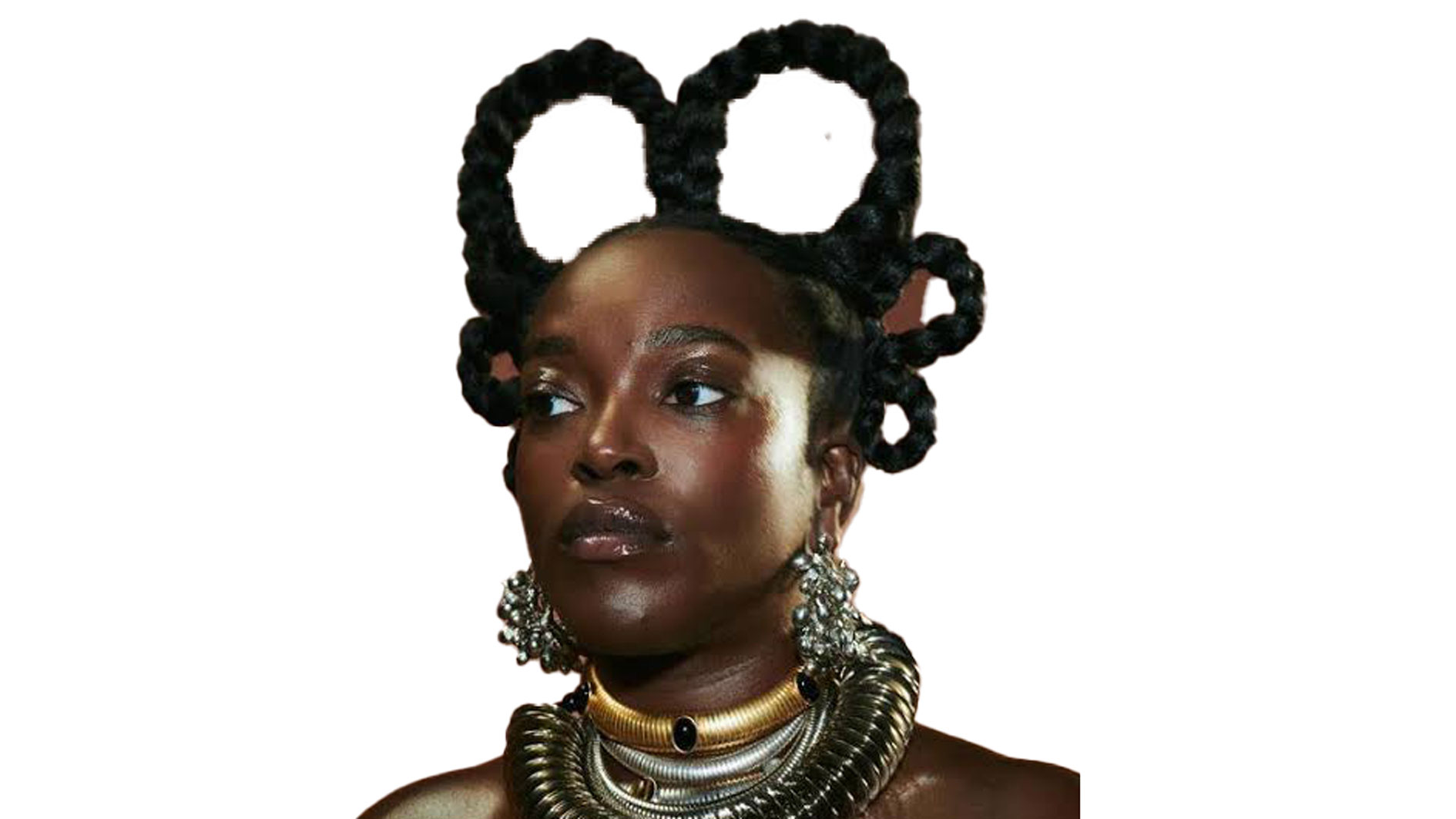
This was just the beginning; it showed that her talent was too bright to stay under the radar for long.
However, it was her role in the psychological horror film His House (2020) that truly changed the game for her. Playing Rial, a South Sudanese refugee facing trauma and displacement, she gave a performance that was both haunting and deeply human. Critics loved how she managed to express profound pain without overdoing it, leading to a British Independent Film Award and a BAFTA nomination.
Move To Hollywood And The Oscar Moment
By 2018, Mosaku had made the leap to Hollywood, Los Angeles, an adventure that really opened up new creative opportunities for her. It became the game changer, bringing along more visibility and fresh challenges. She landed roles in big-name projects like Marvel’s Loki and Deadpool & Wolverine, and DC’s Batman v Superman, gradually earning a reputation as a performer who could seamlessly shift from blockbuster hits to more personal narratives.
Even as her star began to rise, the Nigerian-born actress didn’t rush into every role. She was careful, choosing parts that resonated with her identity and purpose. That thoughtful approach paid off in remarkable ways.
Her performance in the intense BBC drama Damilola, Our Loved Boy brought to life one of the UK’s most heartbreaking stories, which also won her a BAFTA. Then there’s His House on Netflix and Lovecraft Country from Jordan Peele, where she started showing her flair for using horror to address themes of racial oppression.
Also, she’s been part of much-loved British shows such as Luther and Black Mirror. But it was Sinners, which made $368 million globally, that stands out as a turning point for her. In 2025, Mosaku took on a defining role in the film, a unique vampire drama helmed by Ryan Coogler.
Set in 1930s America, the film weaves together horror with history, spirituality, and cultural memory. In it, the actress who is heavily pregnant and expecting her second child portrays Annie, a Hoodoo healer who becomes the emotional and spiritual heart of the story. The role demanded not just technical ability but also cultural awareness and depth.
When the 2026 Oscar nominations came out, Mosaku found herself nominated for Best Supporting Actress — something many had anticipated, as critics praised her performance as “the soulful core” of the film, highlighting how she made its supernatural aspects feel grounded in real human experiences. The film went on to become a sensation, snagging a record-breaking 16 Academy Award nominations — one of the highest tallies ever at the Oscars.
For Mosaku, the nomination was more than just a personal achievement; it was a connection — to her craft, her roots, and the stories she chooses to tell. Reacting to the nomination, her response was far from the typical Hollywood scene of unrestrained joy.
In her interviews after the news broke, she shared a mix of gratitude and surprise, coupled with some deep thinking. She admitted that she hadn’t even realised she was nominated at first; she found out through people.
“This is the moment that I have worked 20 years towards. When I was a kid, I did affirmations, telling myself from the age of 12, ‘I love your hair, I love your skin, I love your stretch marks’. I very much believe it’s love yourself or hurt yourself,” she told Glamour UK in an interview.
According to the now talk-about actress, her enthusiasm for the moment was somewhat dimmed by the state of the world. In one discussion, she referred to the world as “truly dystopian,” pointing out how hard it was to fully embrace the celebration amid ongoing social and political struggles.
The Weight Of Visibility
With recognition comes visibility and with visibility, scrutiny. Mosaku’s recent awards season has unfolded alongside deeply personal milestones, including her pregnancy, which she revealed publicly at the 2026 Golden Globes.
While the Oscar nomination marks a peak, it is by no means the destination. Mosaku’s career is defined not by a single moment, but by a steady accumulation of meaningful work. From His House to Sinners, from British television to Hollywood blockbusters, she has demonstrated a rare ability to move fluidly across genres and mediums.
Her performances are not loud, but they linger. They invite audiences to feel, to reflect, to confront uncomfortable truths. And perhaps most importantly, they expand the possibilities of representation — showing that African stories, voices, and identities.
Can exist at the centre of global narratives, not just at the margins.
For Nigeria, Mosaku’s Oscar nomination carries a profound symbolic weight. It is a reminder that Nigerian talent continues to shape global culture in diverse and unexpected ways—not only through Afrobeats or Nollywood, but through the broader creative industries.
Her success also underscores the importance of diaspora narratives—stories that exist between worlds, shaped by movement, adaptation, and resilience. In her, Nigeria sees both a daughter and an ambassador.
As the world turns its attention to the 2026 Academy Awards, one thing is certain: win or lose, Mosaku has already secured her place in cinematic history. Her journey — from a child in Zaria to an Oscar-nominated actress in Hollywood — is not just a story of success. It is a story of patience, purpose, and the quiet power of staying true to one’s voice.

