 Follow Us on Google News
 Follow Us on Google Discover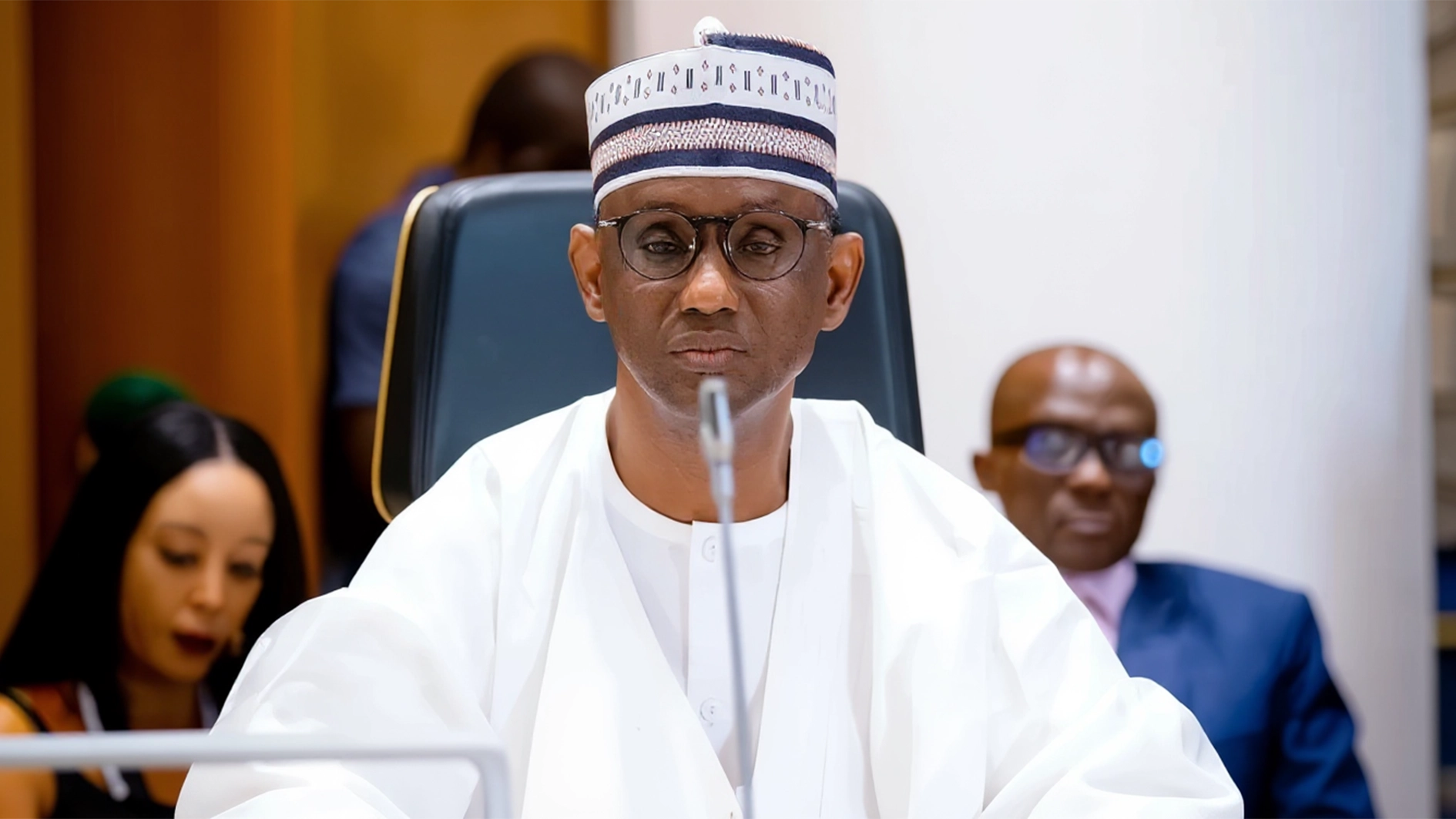
Residents of Kpean, one of the most polluted communities in Ogoniland, alongside the Health of Mother Earth Foundation (HOMEF), have called on the Federal Government to decommission all oil well-heads in the area to safeguard public health, protect the environment, and secure the residents.
The community also demanded an immediate, comprehensive cleanup of the environment in line with international best practices and Nigerian environmental laws.
The demands were made at the weekend during an environmental monitoring and evidence gathering training organised by HOMEF in Kpean.
Participants at the training included men, women, and youths from the community, as well as representatives of civil society organisations and the media.
The training followed a recent oil spill at Well-Head 14, operated by the Nigerian National Petroleum Company Exploration and Production Limited (NEPL).
Although the National Security Adviser (NSA), Nuhu Ribadu, visited the community on December 22, 2025, and assured residents of urgent intervention, monitoring by The Guardian showed no remedial action had been taken as of the time of filing this report.

Residents lamented that Kpean has continued to suffer the impact of multiple oil spills recorded between 2000 and 2021 under Shell’s operations, as well as ongoing incidents under NEPL.
They noted that the spills have devastated the environment, destroyed livelihoods, and undermined the well-being and future prospects of the people.
Participants at the training were equipped with practical methodologies for documenting environmental degradation and human rights violations, with a view to holding both government institutions and oil companies accountable.
A communique issued at the end of the training also highlighted the importance of systematic evidence-gathering, community-led monitoring, and strategic alliances with the media, civil society organisations, faith-based groups, academic institutions, and human rights lawyers to strengthen advocacy efforts. Participants stressed the need to prioritise marginalised groups, including women, youths, and persons with disabilities, in environmental justice campaigns.

