 Follow Us on Google News
 Follow Us on Google Discover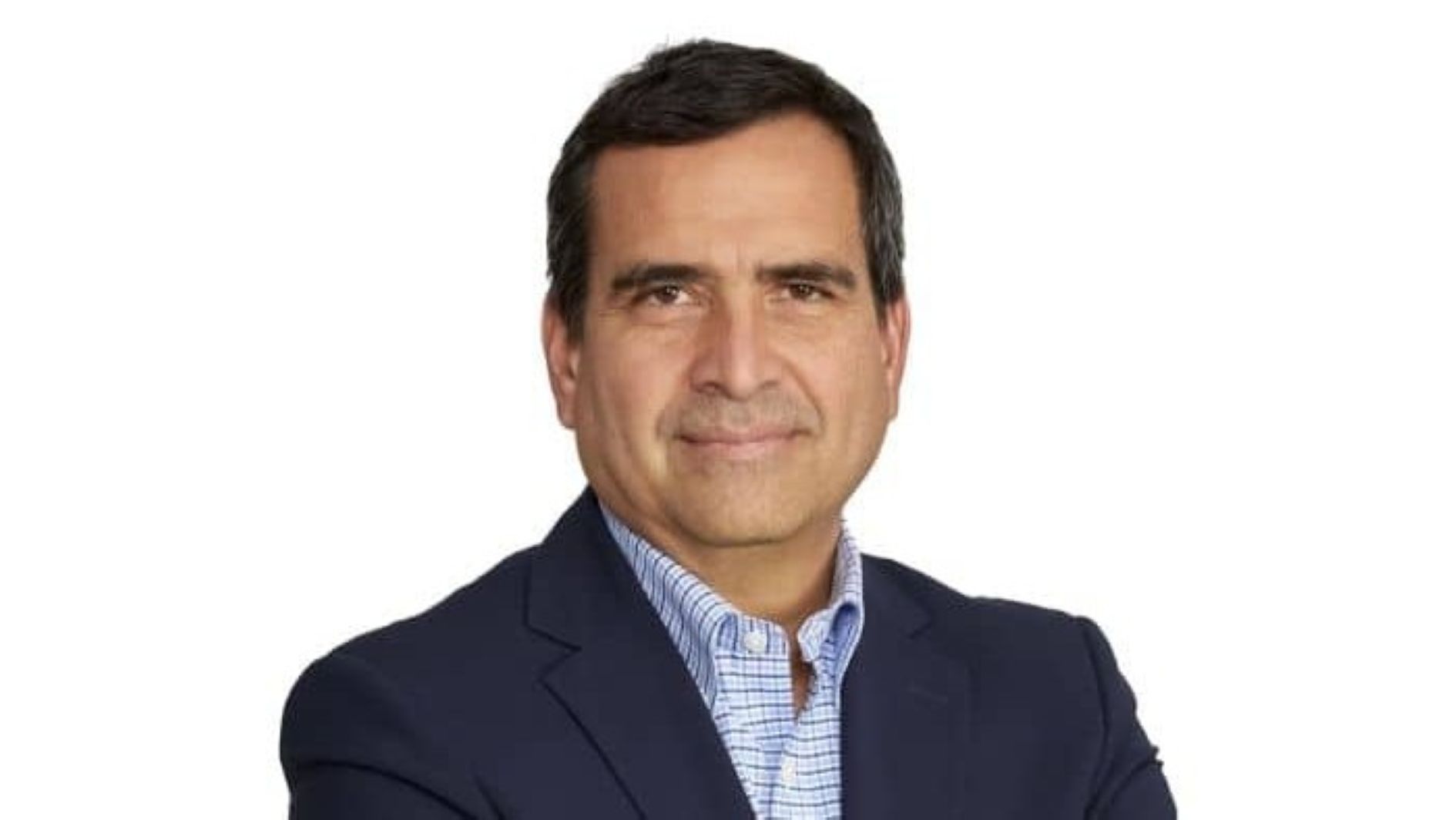
As the world observe Tuberculosis Day March 24, Network Head, Anglo-West Africa, Roche Diagnostics, Roberto Taboada, has revealed that the disease remains one of the most pressing public health challenges in Nigeria.
The World Tuberculosis Day is observed March 24 of every year to build public awareness about the global epidemic of tuberculosis and efforts to eliminate the disease

But Taboada said despite continued efforts to improve detection and treatment, Nigeria continues to carry a high burden of Tuberculosis, placing sustained pressure on patients, healthcare workers and national systems.
This is contained in a statement titled: “From pressure to progress: strengthening TB diagnostics in Nigeria.”
Taboada cited BMJ Journals, which revealed that in 2020 alone, the number of TB cases reported nationally increased by 15 per cent – a significant accomplishment worth mentioning, and a milestone the country can now build upon.
“While expanded case finding efforts and improved access to screening have helped identify more people who may be living with TB, what comes next? Diagnostic systems must be able to increase the pace, confirm more patients’ statuses, and do so accurately and at scale. This is where the next phase of TB response is taking shape,” he stated.
Taboada noted that across high-burden countries, there is a growing shift toward more integrated diagnostic approaches, highlighting historical evidence on how the disease programmes have often operated separately, with different systems, funding streams and infrastructure supporting each condition.
He said while this approach has delivered results, duplication and inefficiencies can occur, and technology has since evolved to streamline laboratory medicine, benefiting clinicians, patients and funders.
Taboada said Nigeria’s healthcare priorities will benefit immensely from greater coordination, adding that integration allows existing laboratory networks to be used more effectively, supporting multiple disease areas while improving overall system performance.
“Essentially, what integrated testing facilitates is that, instead of simply performing an isolated test for TB, one blood sample can yield results for multiple diseases simultaneously. With comorbidities like HIV and TB compounding the disease burden, this could not be more valuable,” he explained.
He said the World Health Organisation has reinforced this direction, highlighting the role of integrated and high-throughput diagnostic approaches in strengthening case detection and programme efficiency.
According to him, these approaches are particularly relevant in settings where demand is high and resources must be used carefully.
At the same time, he said, global funding dynamics are changing, noting that as countries adapt to a more constrained funding environment, there is a stronger emphasis on cost-effective, scalable solutions aligned with national priorities.
“The good news is that Nigerian policymakers have stood up and taken notice. We are seeing a renewed focus on efficiency. Solutions that can support higher testing volumes while leveraging existing infrastructure for testing have been embraced, and national health decision-makers are partnering with private-sector stakeholders in alignment with national TB programme goals, engaging openly to support more efficient and scalable diagnostic approaches. This approach is geared towards systems that enable faster case confirmation and more effective use of available resources,” he added.
Taboada disclosed that public and private collaboration will continue to play a critical role in this process as governments, national programmes and industry partners each bring different strengths.
“When these are aligned, it becomes possible to design solutions that are both practical and sustainable.
“As Nigeria marks World TB Day, we have a unique opportunity to reflect on the burden of disease and the remarkable progress we have made in conquering this centuries-old disease,” he said.
Taboada emphasised that strengthening TB diagnostics is not only about expanding access, noting that by focusing on integration, efficiency and alignment with national priorities, Nigeria is building a more resilient approach to TB control.
He said that is one that can respond to growing demand, support better outcomes and contribute to a stronger healthcare system over time.
“Nigeria is leading the way with its new vision on diagnosis. I look forward to seeing the nation’s progress unfold in the years ahead. And perhaps, when I revisit this topic four years from now, as we reach the WHO 2030 healthcare targets, TB will be old news, rather than a current headline,” he concluded

