 Follow Us on Google News
 Follow Us on Google Discover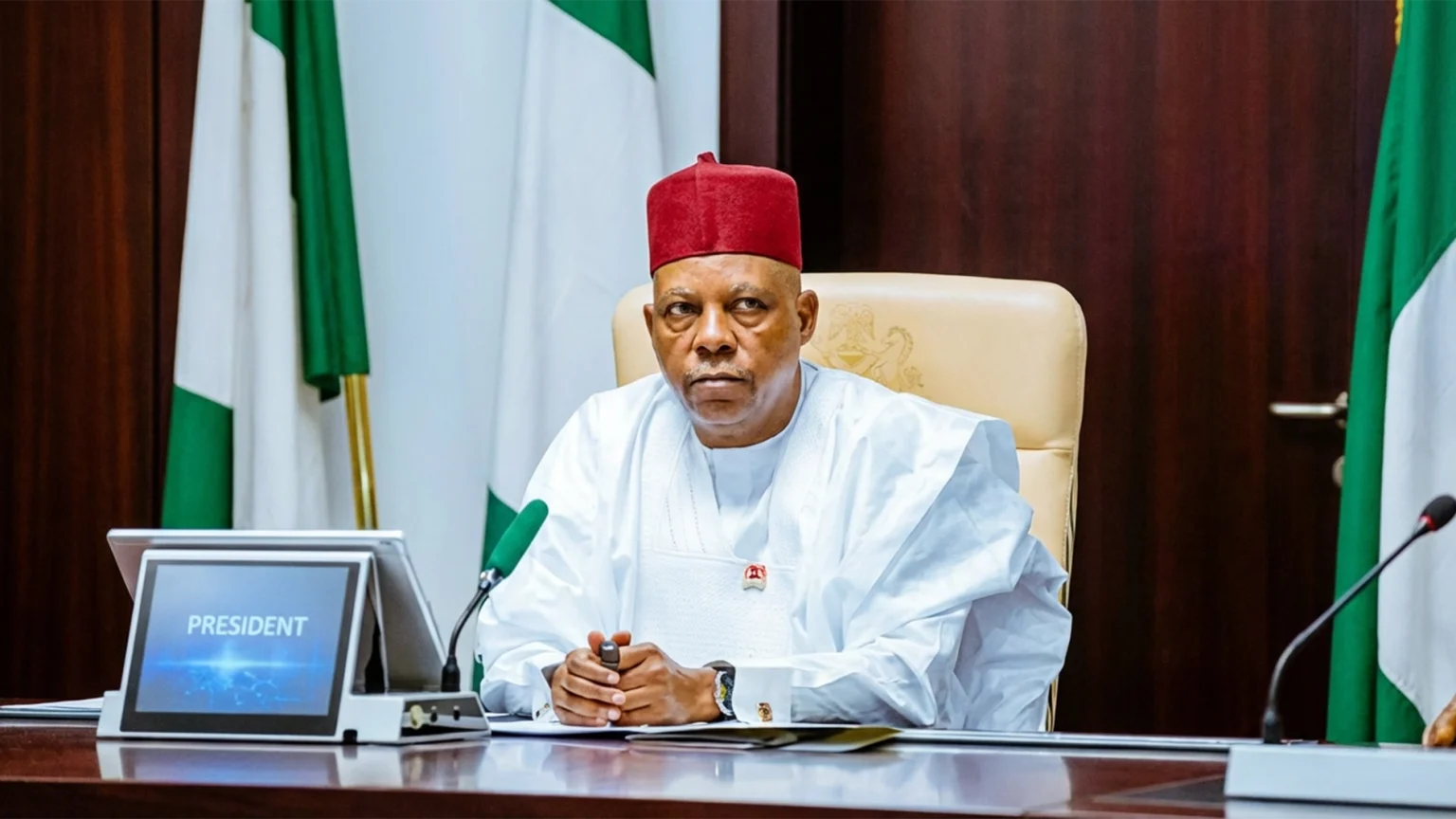
FG adopts proactive, multi-dimensional strategy to tackle insecurity
Vice President Kashim Shettima has reaffirmed Nigeria’s commitment to the promotion and protection of human rights, anchored on constitutional guarantees and their integration into security operations across the country.
He also reiterated the Federal Government’s resolve to strengthen international cooperation and ensure the effective application of International Humanitarian Law (IHL) in all conflict situations.
Speaking on Thursday in Abuja while declaring open the 2026 High-Level International Humanitarian Law Dialogue, Shettima said the administration of President Bola Tinubu has adopted a comprehensive approach to addressing insecurity, combining both kinetic and non-kinetic strategies.
He described insecurity as a major threat to national peace and development, noting that the government is prioritising a coordinated and sustained response.
“I wish to emphasise Nigeria’s unwavering determination to promote and protect human rights, while ensuring the effective implementation of International Humanitarian Law treaties,” he said.
The Vice President noted that the current administration has continued to strengthen Nigeria’s legal and institutional frameworks to respond to evolving security challenges.
He recalled that President Tinubu recently assented to the domestication of the African Union Kampala Convention, which provides a stronger legal framework for the protection and assistance of internally displaced persons (IDPs).
Shettima observed that the dialogue comes at a critical time when global adherence to humanitarian norms is under pressure, even as Nigeria continues to contend with insurgency, terrorism, and other forms of violent conflict.
“Beyond the immediate toll of these hostilities, we are also dealing with the long-term strain they place on communities and institutions. It is for this reason that Nigeria remains committed to advancing this global humanitarian agenda,” he said.
He described the forum as an opportunity to reinforce the principles guiding armed conflict and to reflect on the ethical foundations of IHL.
The Vice President highlighted three key pillars of humanitarian law: the protection of civilians, humane treatment of persons affected by conflict, and the preservation of human dignity under all circumstances.
He outlined several measures already undertaken by the government, including enhanced military training, strengthened child protection protocols, integration of IHL into academic curricula, improved accountability frameworks for sexual violence, strengthened arms control systems, and comprehensive displacement policies.
“These efforts reflect a simple truth: humanitarian law must be lived, not merely legislated,” he added, stressing the importance of collaboration among government institutions, civil society, and international partners.
Shettima also commended global institutions such as the United Nations, International Committee of the Red Cross, and the Office of the Prosecutor of the International Criminal Court for their continued support in advancing humanitarian law in Nigeria.

Also speaking, the Attorney-General of the Federation and Minister of Justice, Lateef Fagbemi, highlighted ongoing reforms aimed at domesticating humanitarian treaties and strengthening the justice system.
He said recent legislative efforts and investments in correctional facilities are designed to promote humane treatment, rehabilitation, and alignment with global human rights standards.
Fagbemi added that Nigeria is strengthening the capacity of its military and law enforcement agencies by embedding IHL principles into training and operations, while also translating relevant laws into local languages to improve accessibility in conflict-affected communities.
In her welcome address, the Solicitor-General of the Federation and Permanent Secretary, Ministry of Justice, Beatrice Jeddy-Agba, described the dialogue as a vital platform for reinforcing the rule of law within Nigeria’s security architecture.
She reaffirmed Nigeria’s commitment to the Geneva Conventions and stressed the need for stronger political will to ensure compliance with humanitarian standards amid evolving conflict dynamics.
The event attracted participation from key international organisations, including the United Nations and the International Committee of the Red Cross, among others.

