 Follow Us on Google News


 Follow Us on Google Discover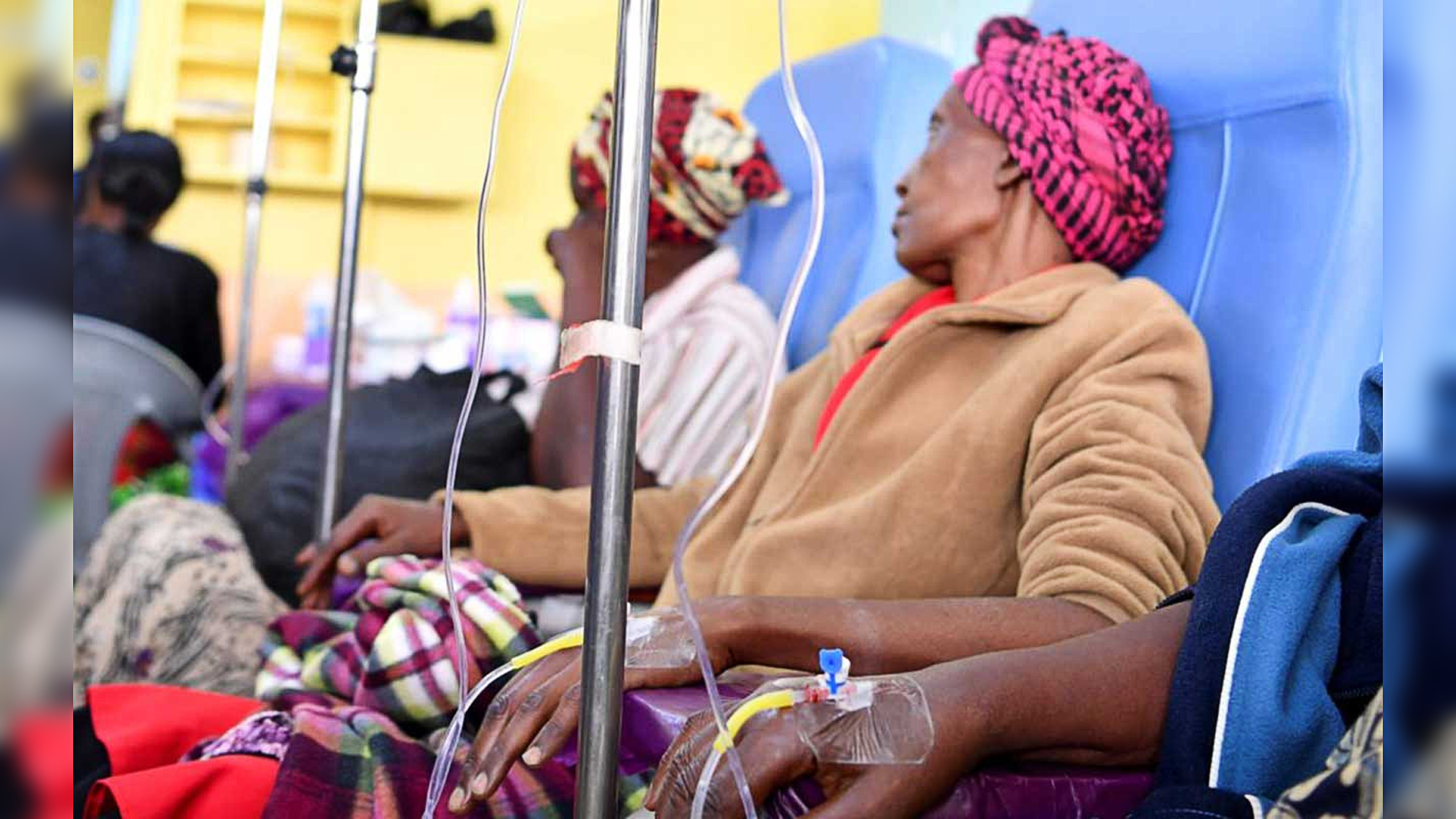
Declaration by the World Health Organisation that Nigeria loses $1.2 billion to medical tourism yearly is a very sobering development that represents a severe human development catastrophe, as well as a significant macroeconomic drain. While such hefty amounts in scarce foreign currency take flight yearly and exacerbate the country’s foreign exchange shortages, immense pressure is mounted on the naira, thereby making imports (including essential medicines and medical equipment) even more expensive. More worrisome is the fact that this scarce forex could have been invested domestically to improve the decrepit healthcare infrastructure, boost personnel training, curb the country’s worsening insecurity and stimulate the economy.
As this pathetic scenario persists, it is the dregs of society that are the worst hit because they are financially emasculated and unable to afford basic medicare, with some of them dying over their inability to afford medication worth as little as N1,000.
What appears as further consigning the masses to misery is the recent revelation that a health emergency may be imminent, as all 36 Nigerian states scored below 30 per cent in the 2025 SBM Health Preparedness Index (HPI). According to a new report by SBM Intelligence, no state in the country achieved preparedness levels of up to 30 per cent to respond to health emergencies or deliver effective healthcare.
The disturbing report, which assessed the performance of states across key indicators, including doctor-to-population ratio, health budget, human development index, and infant mortality rate, expressed grave concerns about the country’s ability to withstand future health crises.
The many years of neglect, underfunding, and weak institutional capacity within the country’s health system, analysts noted, manifested in Abia State earning the highest score recorded – 26.85, while all other states also failed to reach the 30 per cent threshold.
The 2025 HPI report, which also deplored the uneven distribution of medical personnel, highlights the urgent need for policies that will retain and redistribute the country’s medical workforce, just as it examined state health budgets and found wide disparities in governments’ commitment to healthcare.

Lagos, however, maintained the highest nominal allocation of over N221 billion, while Kaduna devoted the largest proportion of its total budget to health at 16.1 per cent, followed by Kano (15.2 per cent) and Bauchi (15.1 per cent). In contrast, Akwa Ibom, which did a paltry 4.3 per cent, Bayelsa (4.1 per cent), and Imo (3.5 per cent) were identified as the least committed states in terms of health funding. On a per capita basis, Abia (N22,926) and Ogun (N21,051) led the country, while Imo (N3,950) and Adamawa (N4,271) ranked at the bottom.
According to the World Health Organisation (WHO), Health Emergency Preparedness (HEP) is the capability “to respond immediately and effectively to potential health threats and emergencies caused by any hazard.” These hazards include infectious diseases, food contamination, and threats associated with climate change. To be effective, HEP requires what has been described as “a continuous cycle of planning (and) reacting to manage such threats to public health as pandemics and natural disasters.”
As the number of health professionals and their distribution thin daily, the number of functional Primary Health Centres (PHCs) in the country also diminishes, thus reducing the guarantee of the well-being of the citizenry.
On the flip side, while the infinitesimal number of one to five per cent that control the country’s fortune can fly abroad to attend to their medical needs, the 95 per cent that have no such financial muscle are at the mercy of life-threatening ailments, which they can do little about.
Nowhere is the direness more manifest than in Bauchi State, where a ratio of one doctor to 54,249 people obtains. Other northern states, such as Zamfara, are also facing extreme shortages, while states like Lagos, Edo, and Enugu have fewer than 3,200 patients per doctor.
From empirical findings, some of the major reasons why wealthy Nigerians and their relatives resort to medical tourism are the unavailability of top-notch renal care, cardiology, oncology and orthopaedics. This underscores the need for the government to partner with credible, well-resourced private investors, as well as international investors, to establish or upgrade medical facilities in-country.
Offering tax holidays and guarantees focused on specific, high-impact projects should be among the incentives placed on the table to attract credible organisations. Engaging a higher gear in the rollout of the National Health Insurance Authority (NHIA) scheme is another option the Federal Government should consider, just as making the NHIA compulsory for all formal-sector workers and their dependents would expand the pool of funds available to upgrade facilities that serve them. It should also be stated clearly that the lip service many state governors are paying to health insurance is not helping matters.
It is also important for the government to engage with Nigerian medical professionals abroad for short-term specialist missions, training, and even investment in local facilities. This can provide immediate quality boosts and transfer knowledge.
Having lost a good number of public officers, including a serving president on foreign soil, many of whom were actively involved in medical tourism as they regularly took holiday abroad, the present government should tow a different path and fortify local health infrastructure and security.
As the government pursues the all-round development of the country, it is imperative to give due attention to Nigerians’ health by allocating a significant portion of the health budget to modern medical equipment, including diagnostic facilities. It should never be lost on the government that spending trillions of naira to develop infrastructure that Nigerians are too infirm to use amounts to poor thinking. In other words, health security is everything.
The Federal Government allocation of 4.99 per cent or N2.48 trillion, out of the 2025 federal budget of N49.74 trillion to the health of Nigerian citizens is certainly disappointing, while sub national leaders are equally insensitive to the health needs of their people, given WHO’s reported recommendation of at least 15 per cent of the annual national budget to health, or even six to seven per cent of GDP. Poor health spending and an abysmal doctor-to-patient ratio will only bequeath a sickly citizenry and an infirm workforce that is incapable of working towards achieving national developmental goals and aspirations.
Healthcare reforms should be carried out sincerely rather than the present cosmetic attention that happens in spasms, but do not address the core reason that the wealthy, including policymakers, senior government officials and their kith and kin fly abroad to treat themselves of infirmities that Nigeria has qualified doctors to handle, but are hampered by dilapidated and out-of-date medical equipment.
For emphasis, nothing will replace sound infrastructure, up-to-date equipment, a happy medical workforce, and a pleasant work environment if the political leaders want a healthy country and desire to halt the despicable forex flight that medical tourism has become.

