 Follow Us on Google News
 Follow Us on Google Discover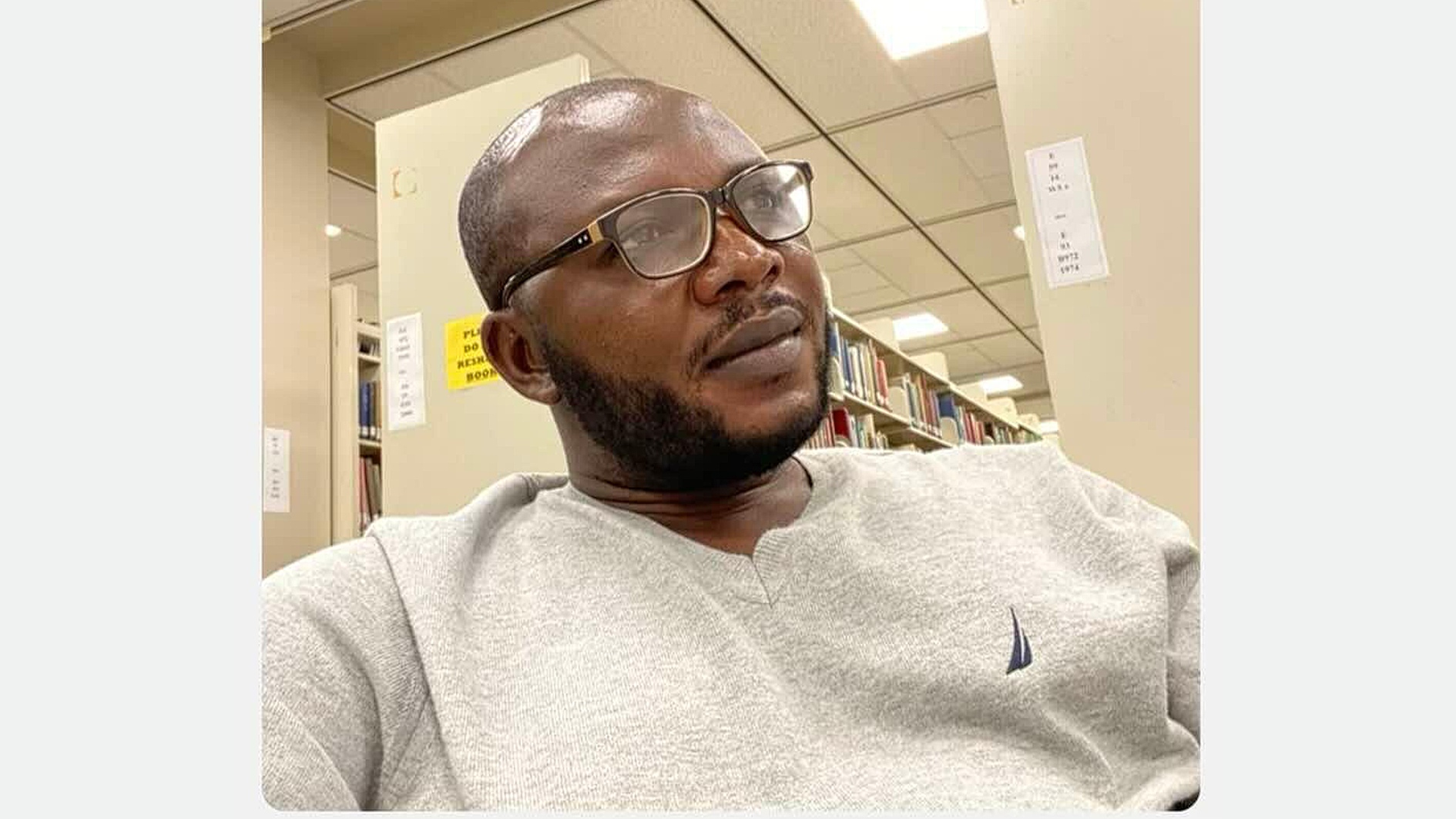
This interview explores lessons from Dr. Emos Tella’s leadership across public health systems, emergency response, and disease surveillance in Nigeria.
You have worked across government, humanitarian, and multilateral institutions. How do you describe the common thread across these roles?
The common thread is accountability for outcomes. Whether you’re working in government, with a humanitarian organization, or with a multilateral agency, success ultimately depends on whether systems deliver results for people. Titles and institutions differ, but the responsibility to translate strategy into measurable impact remains the same.
During your time with the Kaduna State Ministry of Health, what shaped your approach to leadership?
SOML taught me that performance-based systems change behavior. When funding and credibility are tied to verified results, leadership becomes less about managing activities and more about solving bottlenecks. We had to align data, service delivery, and governance so that improvements were real and sustainable.
You later moved into emergency and outbreak-focused roles with the International Federation of Red Cross and Red Crescent Societies. What was most challenging about that transition?
Operating in security-compromised environments changes everything. In places affected by conflict or distrust, technical solutions alone are insufficient. You need community trust, flexible coordination, and frontline leadership. Working with Red Cross volunteers showed me how humanitarian networks can extend the reach of public health systems where governments have limited access.
Your work also intersected with national surveillance through the World Health Organization. What lessons did polio surveillance teach you?
Polio eradication is ultimately about surveillance sensitivity. Vaccination matters, but detection determines credibility. When we strengthened AFP surveillance at the local level, we weren’t just finding cases; we were protecting the integrity of Nigeria’s eradication claims. Leadership at that level requires attention to incentives, supervision, and data quality.
Looking back, how do these experiences inform your current perspective on health systems strengthening?
Effective health systems are integrated systems. Community engagement, policy design, emergency response, and surveillance cannot operate in silos. My experience across institutions reinforced that a durable impact comes from coherencewhen leadership aligns people, data, and accountability around shared goals.
What advice would you give to emerging public health leaders?
Dr. Tella:Don’t chase complexity, chase clarity. Focus on understanding systems deeply, measure what matters, and lead with integrity. Results follow when leadership is grounded in evidence and accountability.

