 Follow Us on Google News
 Follow Us on Google Discover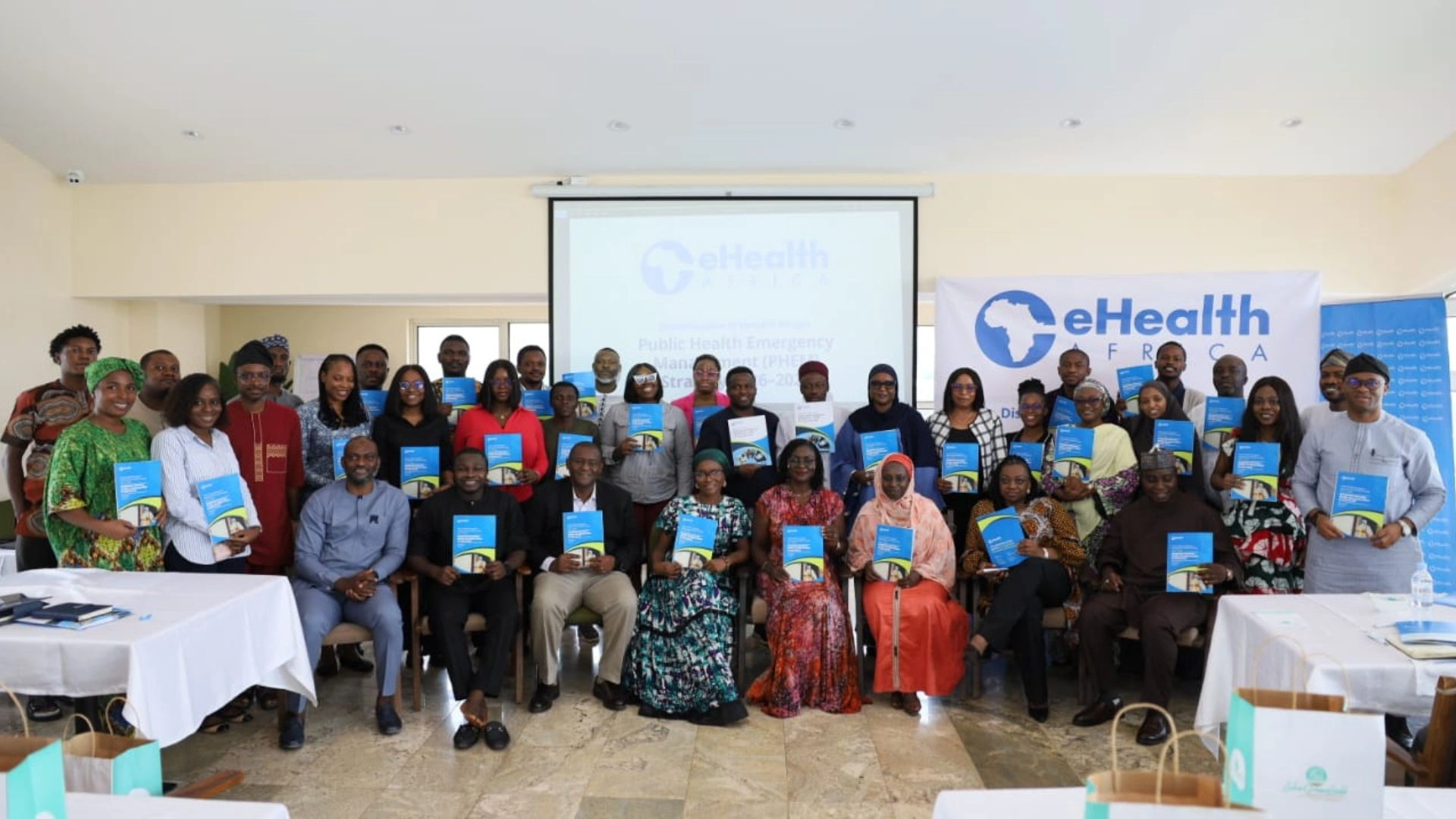
eHealth Africa has rolled out a new Public Health Emergency Management (PHEM) Strategy for 2026–2028, aimed at strengthening emergency preparedness and improving response systems across Africa.
The roadmap, unveiled at a stakeholder event in Abuja, seeks to address systemic gaps in public health emergency coordination while enabling faster, data-driven responses to disease outbreaks and other health threats.

The strategy is designed to bring together governments, donors, academia and technical partners to align priorities and improve collaboration in the public health space.
Drawing on more than a decade of experience managing over 35 Emergency Operations Centres (EOCs) across Africa, the organisation plans to strengthen coordination structures, enhance real-time data visibility, and integrate geospatial tracking systems to support decision-making.
Key components of the plan include expanding the capacity of Emergency Operations Centres, improving interoperability of health data systems, and developing a skilled grassroots workforce capable of early detection and response.
The initiative reflects a broader shift towards integrated systems that ensure accurate and timely information flows during health emergencies.
Director of Programmes and Partnerships at eHealth Africa, Ota Akhigbe, said effective implementation would depend on strengthening state and local capacity.
She noted that while national frameworks provide direction, real impact is driven by the ability of subnational systems to detect, report and respond promptly.
Similarly, Deputy Director for Supply Chain and Programme Delivery, Kazeem Balogun, stressed the importance of early detection at community level to prevent outbreaks from escalating.
In a goodwill message, Oluyinka Olayemi of the Africa Centres for Disease Control and Prevention highlighted the urgency of building resilient systems amid declining external health funding.
She said African countries must strengthen their capacity to prevent, detect and respond to health threats in order to secure long-term health independence.
eHealth Africa said the strategy would support countries across the continent to better anticipate and manage public health emergencies, ultimately improving health outcomes and system resilience.
The organisation added that sustained collaboration and investment would be critical to translating the roadmap into measurable impact across Africa’s evolving health landscape.

