 Follow Us on Google News
 Follow Us on Google Discover
By Chinedu Richard Ononiwu
One striking thread connects Prof. Aliu Babatunde Fafunwa, former Minister for Education; Prof. Grace Alele-Williams, who made history as the first female Vice-Chancellor of a Nigerian university; and Prof. Ursula Ngozi Akanwa, the first female Vice-Chancellor of Michael Okpara University of Agriculture, Umudike (MOUAU): they are all educationalists. An educationalist is a scholar and practitioner who combines deep knowledge of educational theory, research, and policy with the ability to design, evaluate, and improve teaching and learning systems.
The appointment of Prof. Ursula Ngozi Akanwa as the 7th Vice-Chancellor of Michael Okpara University of Agriculture, Umudike naturally raises expectations among observers familiar with the evolution of Nigerian universities. Those who have closely followed leadership patterns in the sector would anticipate significant progress under her administration. Such optimism is partly informed by the knowledge of the contributions of educationalists whose leadership shaped Nigeria’s education sector.
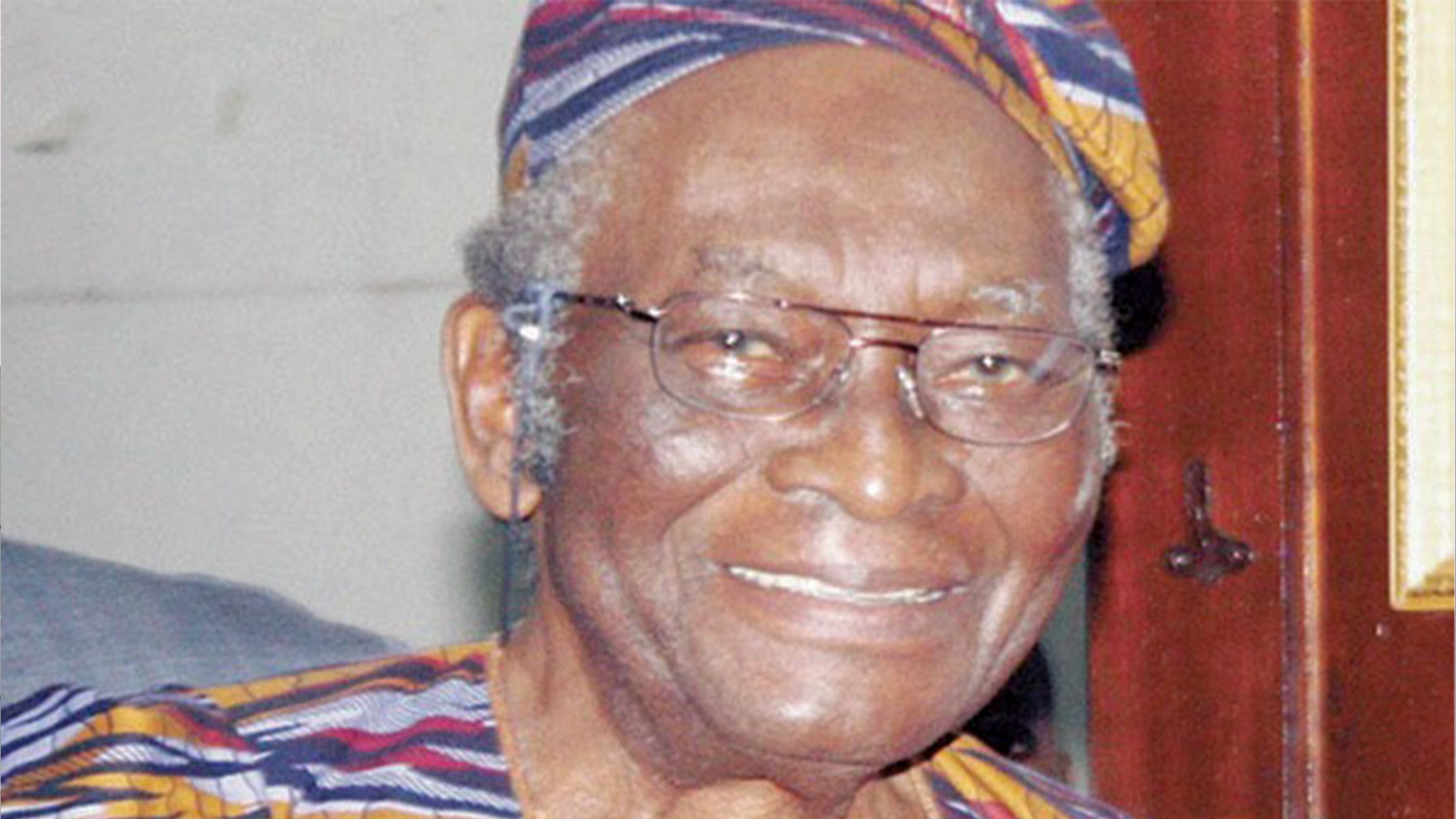
Among these figures is Prof. Aliu Babatunde Fafunwa (fondly called Babs Fafunwa), widely regarded as one of the foundational scholars in the development of education in Nigeria. As the first Nigerian Professor of Education and later Minister of Education, Fafunwa contributed significantly to educational policy, curriculum reform, and teacher education. His scholarship emphasized the importance of aligning education with Nigeria’s cultural and developmental realities, including the integration of local languages and contextually relevant learning goals into formal schooling. His career illustrates how educationists can bridge scholarship and policy to influence national educational systems.
Another important example is Prof. Grace Alele-Williams, a distinguished Professor of Mathematics Education who served as Vice-Chancellor of the University of Benin from 1985 to 1992. Her tenure demonstrated how academic leadership grounded in education can strengthen institutional governance and academic standards. While her administration represented a significant milestone for women in university leadership, it also highlighted the broader role educationalists can play in guiding universities through periods of institutional transformation.
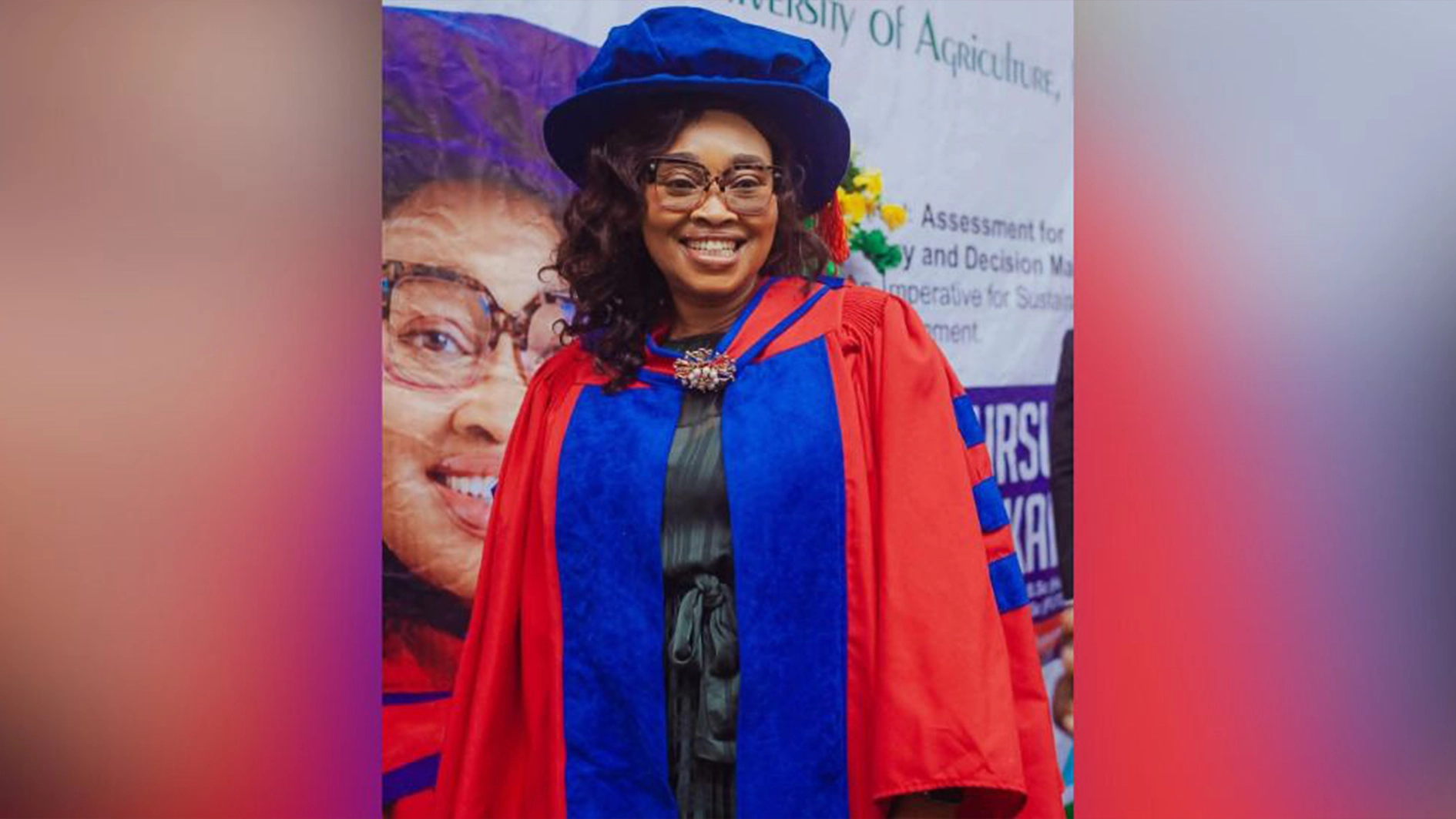
Against this backdrop, the emergence of Prof. Ursula Ngozi Akanwa generates similar hope that her administration could deliver notable advancements for MOUAU. Nigeria as a whole can also be optimistic. In the next decade, the country’s economic competitiveness, food security, and digital transformation will depend heavily on evidence-based decision-making, skilled human capital, and innovative learning systems. This context encourages reflection on why Nigerian universities, as the country’s engines of knowledge and human capital, should increasingly be led by educationalists trained to think strategically, analytically, and pedagogically.

Educationalist Expertise as a Leadership Advantage
Educationalists develop competencies in research-based decision-making, curriculum design, educational assessment, and systemic problem-solving. These skills are essential for repositioning Nigerian universities from degree-awarding institutions to innovation-driven hubs capable of supporting national development.
The leadership example of the likes of Prof. Fafunwa and Prof. Grace Alele-Williams, during their times as Acting Vice Chancellor at both UNN and University of Ife (now Obafemi Awolowo University) and University of Benin, respectively, demonstrated how the intellectual training of an educationalist can influence institutional governance. Her academic background in science education informed rigorous management practices, academic discipline, and structured institutional reform. By approaching university leadership as a systemic enterprise, she emphasized evidence, accountability, and methodical analysis in strengthening academic standards.
More than three decades later, Ursula Ngozi Akanwa represents a continuation of this intellectual tradition. As a Professor of Educational Measurement and Evaluation, she brings extensive expertise in research methodology, statistics, and assessment. With over three decades of academic and administrative experience, she has served in several leadership roles including Deputy Vice-Chancellor (Research and Development) and Dean of the College of Education (COED), MOUAU. Her career reflects sustained intellectual engagement with research, institutional development, and academic leadership.
Educationalists such as Akanwa possess a unique advantage in university leadership because they are trained to understand how learning systems function. Their work often involves evaluating educational outcomes, designing curricula, improving assessment frameworks, and aligning institutional structures with learning objectives. These competencies translate directly into effective university governance.
The recent emergence and influence of educationalist leadership is also evident in other university systems around the world. For example, Julie Hall has served as Vice-Chancellor of London Metropolitan University with a strong emphasis on improving student learning, widening participation, and strengthening the overall student experience. Similarly, Claire Taylor has led Plymouth Marjon University, United Kingdom, with a focus on academic development, student engagement, and curriculum innovation designed to enhance employability outcomes. Another example is Paul Bartholomew, Vice-Chancellor of Ulster University, United Kingdom, recognized for advancing learning and teaching scholarship while guiding institutional transformation across campuses. These examples reinforce a broader pattern: universities function effectively when leaders possess deep knowledge of academic systems, research culture, and learning environments.
Why the Next Decade Matters
Nigeria faces an important decade in which demographic, technological, and economic forces will converge to shape its development trajectory. The country’s population is projected to surpass 250 million by 2035, creating immense pressure on universities to produce highly skilled and adaptable graduates.
At the same time, global technological developments, including artificial intelligence, automation, renewable energy, and digital healthcare, are rapidly reshaping labour markets and redefining economic competitiveness. Universities in Nigeria must therefore equip students with skills aligned not only with national priorities but also with emerging global opportunities.
These changes place Nigerian universities at the centre of national development strategies. Universities are expected to generate research, produce innovation, and develop the human capital necessary for economic growth. Achieving these objectives requires leadership capable of integrating research, teaching, policy, and technological transformation into coherent institutional strategies.
Implications for University Leadership
In this important decade, educationalists in leadership positions are uniquely positioned to help Nigerian universities navigate these converging challenges while also contributing to national development. Their expertise in pedagogy, research, assessment, and systemic thinking enables them to align curricula, research initiatives, and educational programmes with the demands of a rapidly evolving knowledge economy.
Educationalists are trained to implement evidence-based performance metrics, strengthen institutional accountability, and guide policy reforms with measurable outcomes. Their analytical orientation encourages transparency, ethical stewardship, and rigorous institutional management.
From Fafunwa to Alele-Williams and now to Akanwa, a clear pattern emerges: Nigerian universities benefit from leaders who can diagnose systemic weaknesses, design evidence-driven reforms, and evaluate results objectively. Educationalists are particularly suited for this task because their training integrates research, policy analysis, and institutional development.
In a decade defined by population growth, technological disruption, and urgent development challenges, the rise of educationalists to university leadership positions may prove essential for strengthening Nigeria’s higher education system. Their ability to connect scholarship, policy, and innovation positions them to guide universities toward sustainable institutional transformation and broader national progress.
Chinedu Richard Ononiwu writes from Umudike. He holds a PhD. in Multimedia Studies from NnamdiAzikiwe University, Awka, Nigeria

