 Follow Us on Google News


 Follow Us on Google Discover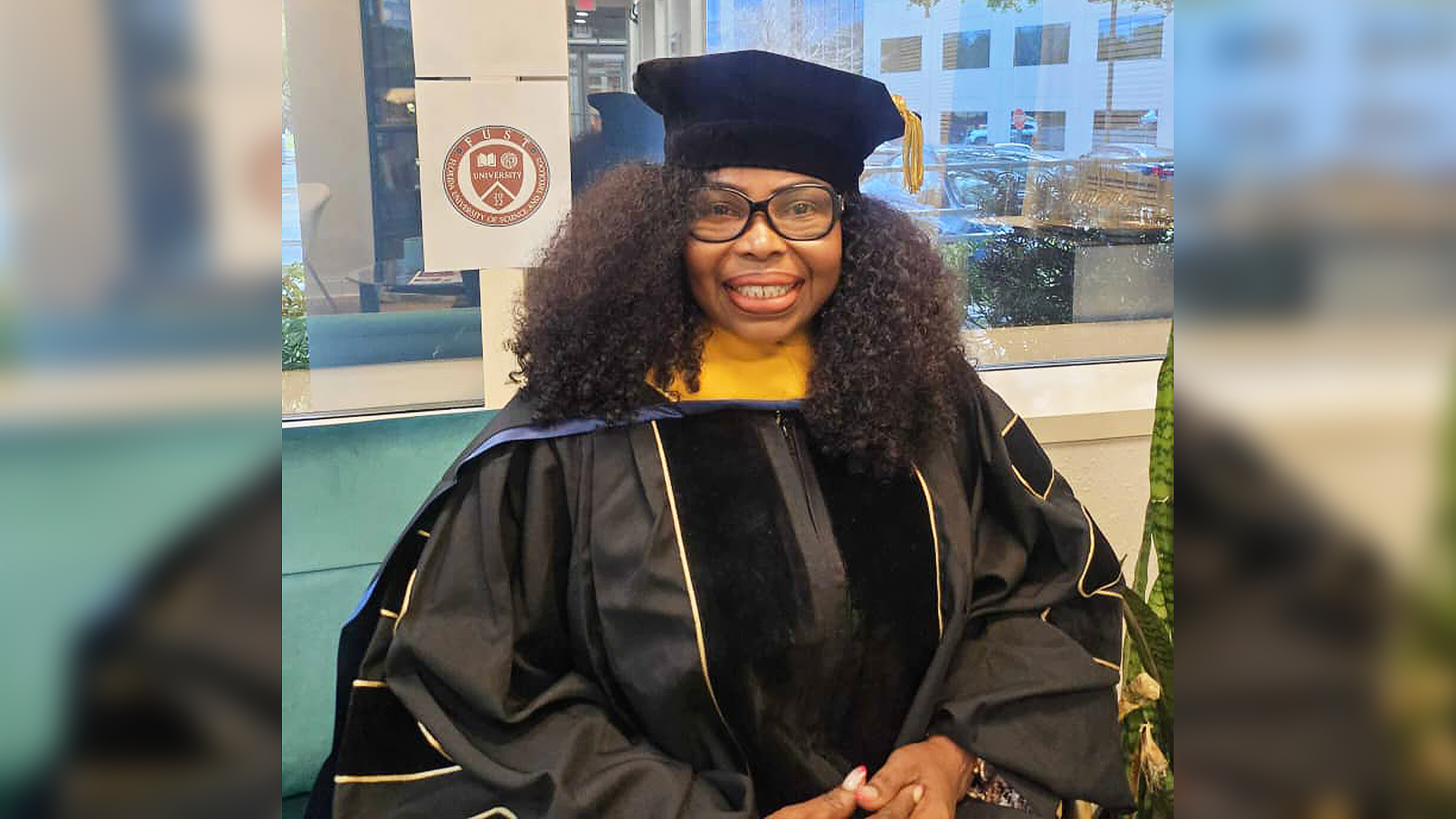
History was made—and a bold future envisioned—when Cynthia Amaka Obiorah stepped forward as Africa’s first female Professor of Occupational Health, Safety, and Environment (OHSE), delivering not just an inaugural lecture but a rallying call for a safer, more sustainable world of work.
At the Florida University of Science and Theology on March 20, 2026, the atmosphere carried both celebration and urgency as Obiorah formally assumed her professorial chair. Yet, beyond the ceremonial robes and accolades, her message struck a deeper chord: the time to rethink how Africa—and the world—protects its workforce and environment is now.
Her lecture, “Safeguarding Tomorrow: Navigating the Nexus of Occupational Health, Safety, and Environment,” painted a vivid picture of a rapidly changing world where traditional safety models are no longer enough. From the invisible strain of mental health challenges to the disruptive force of Industry 4.0, Obiorah argued that modern workplaces sit at the crossroads of risk and opportunity.
“Safety is no longer optional—it is foundational,” she asserted, framing OHSE as the engine room of sustainable development. According to her, nations that fail to protect their workers and environment ultimately undermine their own economic future.
What set her address apart was its clarity of vision. Obiorah didn’t just diagnose the problems—she prescribed solutions. She called for a sweeping cultural shift where safety becomes instinctive, not enforced; where accountability is shared, not delegated.
Central to her roadmap is the fusion of innovation and responsibility. She urged industries to harness artificial intelligence and emerging technologies not just for profit, but for prevention—anticipating hazards before they occur. Stronger regulatory systems, she said, must go hand-in-hand with ethical leadership and corporate commitment.

But her vision extended beyond factory floors and office walls. She spoke of designing workplaces that respect human limits, prioritizing ergonomics, and building communities that coexist sustainably with their environment. In her words, safety must evolve from a compliance checklist into a way of life.
In a supporting remark, Matusalém Alves Oliveira underscored the timeliness of her message, noting that the intersection of culture, policy, and technology has never been more critical in addressing global challenges.
Obiorah’s journey to this historic milestone is as remarkable as the achievement itself. With more than 200 internationally published academic works, she has spent years shaping conversations around occupational health and environmental protection. Her research footprint spans respected journals such as the International Journal of Innovative Biosciences Research and the Journal of Environmental Protection, reflecting both depth and global relevance.
Yet, perhaps her greatest impact lies ahead.
As Africa grapples with industrial growth, climate pressures, and evolving workforce dynamics, her leadership arrives at a pivotal moment—one that demands bold thinking and decisive action.
Her closing words lingered long after the applause faded: the future of workplaces—and indeed the planet—will be defined by the choices made today.
In that moment, Professor Obiorah was not just marking a personal achievement; she was setting a continental agenda.

