 Follow Us on Google News


 Follow Us on Google Discover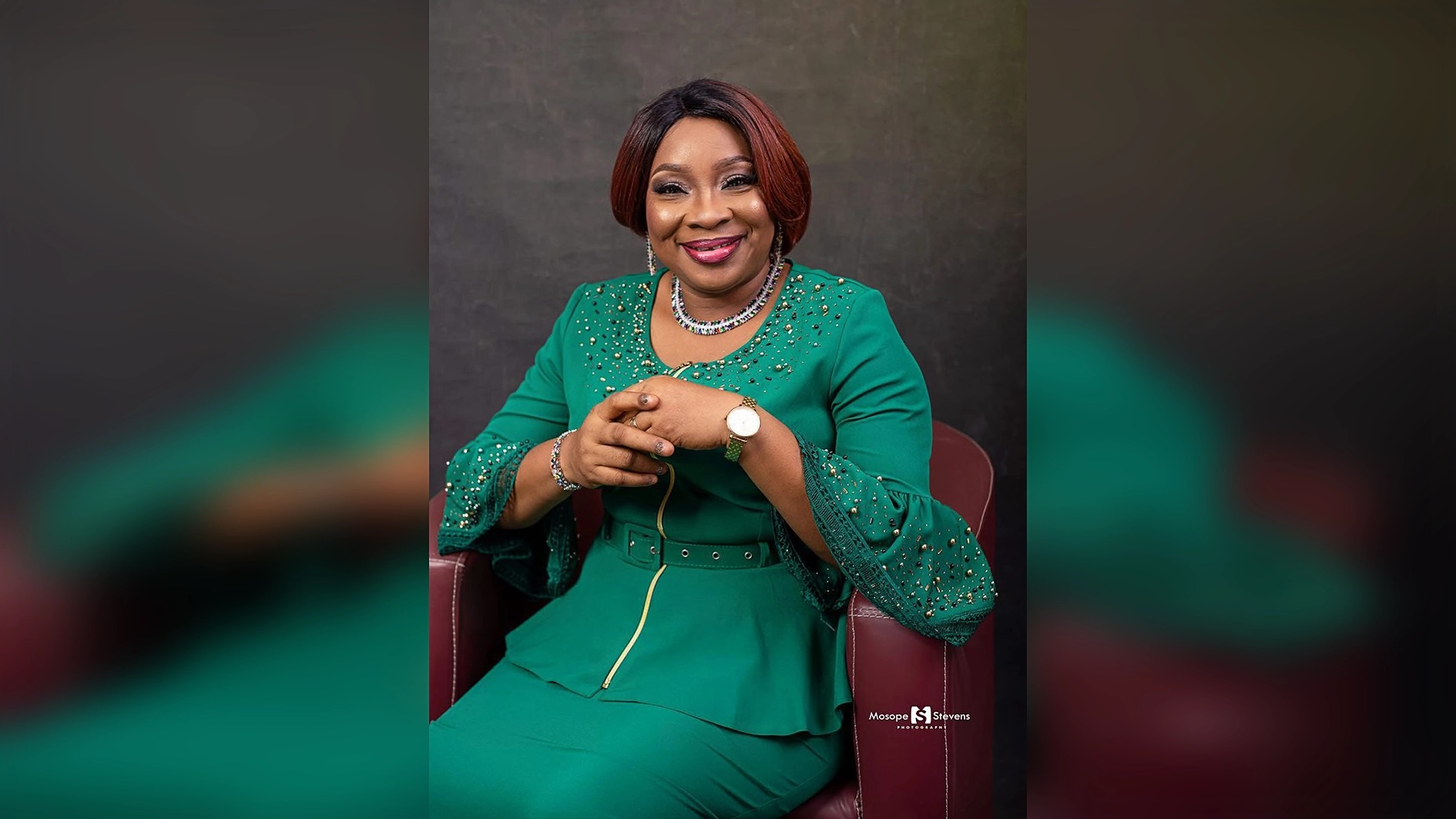
Prof. Adefunke Ekine is a child educator, gender advocate, and founder of Youthcare Development and Empowerment Initiative (YcDEI), Ibadan, Nigeria. Ekine, a leading advocate for gender equality in Nigeria, has spent decades researching and implementing programmes that improve learning outcomes for girls and promote women’s participation in leadership and professional development. The professor is also the Deputy Director for Research and Innovation at the Directorate of Academic Planning, Quality Assurance and Research, Tai Solarin University of Education, Ijegun, Ogun State. In a conversation about women’s empowerment, Prof. Ekine shared her insights on the challenges women face, the importance of mentorship, and the role of education in enabling girls and women to claim their rightful space in society.
Why are you passionate about children and women’s issues?
Over the years, my research has increasingly focused on women’s and girls’ empowerment. I have always been interested in understanding the systemic barriers that hinder women from realising their full potential. My work through my non-governmental organisation (NGO) allows me to translate research into practical programmes that have a tangible impact. We focus on improving learning outcomes for girls, creating safe spaces for them to grow, and ensuring that women have access to opportunities that allow them to thrive socially, professionally, and economically.
Tell us more about your NGO.
Our NGO is centered on development and empowerment, particularly in urban areas where inequalities are more visible but sometimes easier to address through structured programmes. Our core mandate is to ensure that children, women, and marginalised girls can realise their full potential. We provide interventions aimed at improving education, health, and social development. We also advocate for gender equality and inclusion, particularly in areas where girls are most at risk, such as schools and informal settlements. Through workshops, mentorship, scholarships, and community engagement, we aim to create environments that nurture ambition and resilience.
What would you say are the most pressing challenges facing women today?
The challenges are numerous, but at the heart of them are social and cultural norms. In many societies, women are expected to be submissive, gentle, and primarily focused on domestic responsibilities. These expectations often extend into education and career paths, with fields like science, technology, engineering, and mathematics, commonly referred to as STEM, perceived as male domains. This is a global issue but is especially pronounced in communities where patriarchal structures dominate.
Religious beliefs and traditional practices in some communities can often reinforce these inequalities, subtly or overtly shaping what girls believe they can or cannot achieve. When women are conditioned from a young age to see certain areas of study or career as “off-limits,” it limits their personal development, self-confidence, and ambition.
Access to opportunities is another major challenge. Many girls drop out of school due to early marriage, teenage pregnancy, or financial difficulties, especially during upper primary and secondary education. This creates a long-term impact, as fewer women are able to pursue higher education or specialised careers. Even for women who complete their studies, inequality persists in financial empowerment, digital literacy, leadership access, and property ownership.

Gender-based violence is another area of concern. How significant is this problem?
It is a very significant problem. Violence against children and women, including sexual harassment and intimate partner violence, has been increasing, particularly in the wake of the COVID-19 pandemic. Our research since 2020 shows that, in the primary schools we studied, 47 per cent of children aged eight to 13 experienced some form of violation, including sexual harassment and bullying. The pandemic exacerbated these challenges because families were confined to their homes for long periods, creating stressful environments that sometimes led to increased abuse.
Globally, one in three women experiences violence at some point in her life. This is not just a Nigerian problem; it is universal. However, addressing it requires local solutions that tackle the root causes, including societal norms, inadequate legal protections, and lack of awareness. Survivors need support systems, and perpetrators must face the consequences of their actions.
What steps can be taken to address these issues effectively?
First, enforcement of existing laws is critical. Nigeria has several legal frameworks aimed at protecting women and children, but implementation is inconsistent. Perpetrators must face the law openly, and there must be transparency and accountability. When laws are applied consistently, abuse is discouraged, and victims are more likely to come forward.
Second, awareness campaigns are crucial. Communities, schools, and religious organisations all need to be involved in shifting cultural perceptions about violence. Families need to understand that protecting children and women is a collective responsibility. At the same time, support systems must be in place so that survivors feel safe reporting abuse without fear of stigma or retaliation.
Finally, we need mentorship and educational programmes that empower girls and women from an early age, teaching them about their rights, how to advocate for themselves, and how to navigate societal challenges. Empowered girls grow into empowered women, creating a ripple effect across communities.
You earlier talked about STEM fields, how is Nigeria doing in terms of gender equality?
Women are still significantly underrepresented in STEM, a phenomenon referred to as the “leaky pipeline.” From primary school through university, girls often face discouragement, lack of mentorship, and societal pressure to prioritise family over career. Even those who pursue STEM degrees face systemic barriers when entering the workforce, including discrimination, unequal pay, and limited leadership opportunities.
Through our NGO, we address this issue by running awareness programmes, providing mentorship, offering scholarships, and highlighting successful female professionals. For instance, Adenike Osofisan, the first professor of Computer Science at the University of Ibadan, serves as a tangible example for young girls. She shows that women can excel in technical fields traditionally dominated by men. We also organise workshops where girls can interact with professionals, ask questions, and observe firsthand what it means to pursue a STEM career. These programmes aim to bridge the confidence gap and demonstrate that girls can achieve anything they set their minds to.
You mentioned the “leaky pipeline” in STEM. Could you explain this further for our readers?
The “leaky pipeline” refers to the progressive loss of female participation in STEM fields at various stages, from early education through career advancement. Girls may begin with enthusiasm in science and mathematics but gradually drop out due to societal pressures, lack of encouragement, discrimination, or family responsibilities. Even highly capable women are sometimes pushed into traditional roles, creating a pipeline that “leaks” talent at every stage. Addressing this requires intervention at multiple levels: educational programmes, societal awareness, policy reform, mentorship, and workplace support for women’s careers.
What other strategies can encourage girls and women to pursue leadership and STEM careers?
Scholarships are essential, they provide financial support and recognition for talent. But mentorship and role modeling are equally important. Girls need to see women succeeding in fields where they are underrepresented. Safe interaction opportunities, workshops, and internships allow girls to experience professional environments and build networks early. Increasing the number of female teachers in STEM subjects also makes a significant difference. Female teachers not only serve as role models but also help reduce harassment and encourage girls to persist in fields where men dominate. Leadership exposure is also critical. Seeing women in leadership positions reassures girls that they too can balance career success with personal life commitments.
What about women in governance and public leadership?
Women must be included at the decision-making table. Policies made without women’s perspectives often fail to address their specific needs. Inclusion promotes diversity, creativity, and innovation. Leadership is not about closing doors but opening them. Women in positions of influence can advocate for marginalised groups, ensuring policies are inclusive and equitable. Globally, we see countless examples of women excelling in governance, business, and community leadership. In Nigeria, progress has been slow, but initiatives such as gender quotas, advocacy for affirmative action, and mentorship programmes are beginning to make an impact. However, there is still a long way to go to achieve true parity.
Any advice for women aspiring to leadership roles?
Leadership requires vision, responsibility, and the willingness to open doors for others. Be role models. Support your peers. Seek out mentorship and advocate for others. Sacrifice is part of leadership, it is about serving communities and making a lasting impact, not just achieving personal gain.
And for young girls aspiring to STEM or leadership careers?
Believe in yourself and seek out mentors who can guide and inspire you. Do not let societal expectations limit your ambitions. Education is a powerful tool. It opens doors to countless opportunities. With support, mentorship, and exposure, you can navigate even the most challenging paths. Look up to successful women, internalise their lessons, and remember that your success paves the way for those who come after you.
How do mentorship and scholarships complement each other in empowering women?
Mentorship and scholarships are intertwined. Scholarships provide financial support, ensuring that talented girls can pursue their education without barriers. Mentorship provides guidance, encouragement, and access to networks that scholarships alone cannot offer. Together, they create a holistic support system that fosters resilience, confidence, and ambition. A scholarship may open the door, but mentorship helps navigate the hallway and ensures long-term success.
What is your overarching message to women and society as a whole?
Empowerment is not just about equality; it is about unlocking potential, for individuals and society. Women’s inclusion in education, professional life, and governance benefits everyone. We must address societal norms, enforce laws protecting women, and provide mentorship and role models. Leadership is about responsibility, vision, and creating opportunities for others. Every girl and woman has the potential to contribute meaningfully. Society thrives when women thrive. From classroom to boardroom, the journey is challenging, but navigable. With the right support, mentorship, and opportunities, women can claim the space they deserve, and in doing so, pave the way for a more inclusive, equitable, and prosperous society.

