 Follow Us on Google News
 Follow Us on Google Discover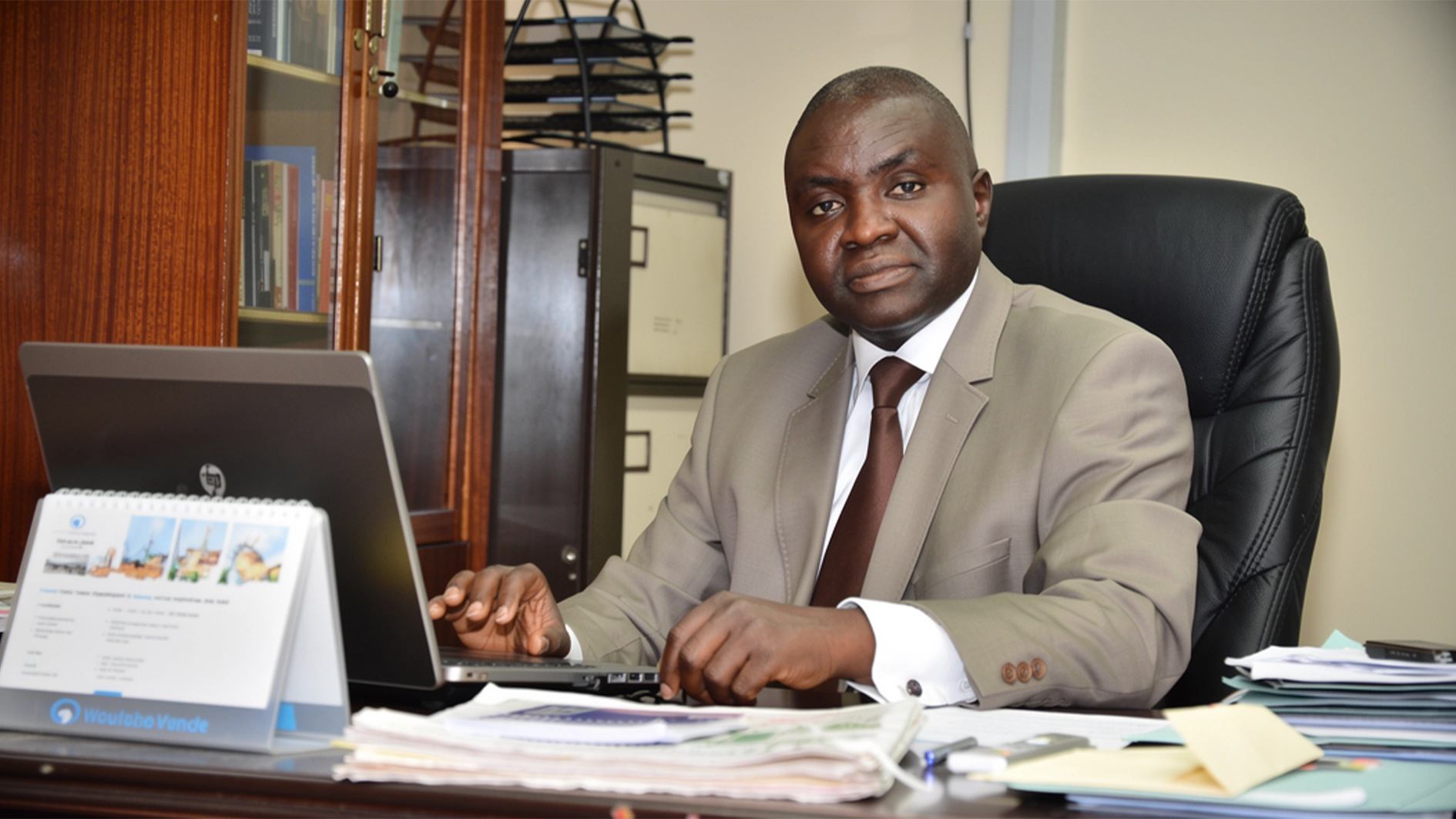
• ‘Macroeconomic indicators improve, microeconomic conditions fragile’
• Don’t lose hope amid economic hardship, Obi to Nigerians
Chief Executive Officer (CEO), Centre for the Promotion of Private Enterprise (CPPE), Dr Muda Yusuf, has noted that while the economy in the first quarter of this year has shown some level of macroeconomic stability, it is, however, marred by persistent structural challenges, significant headwinds and mounting welfare pressures.
Meanwhile, 2023 presidential candidate of the Labour Party (LP), Peter Obi, has called for collective sacrifice and responsible leadership for a better Nigeria.
In a policy brief yesterday, the CPPE boss noted that the cost-of-living crisis remains pronounced, energy costs are still elevated, concerns around insecurity persist, and deep-seated structural rigidities continue to constrain productivity and investment.
Giving an economic outlook for Q2, he said it remains cautiously optimistic but not without considerable risks.
“The trajectory of macroeconomic stability is vulnerable to external shocks – particularly evolving geopolitical tensions – while the intensifying political cycle ahead of the 2027 elections could pose risks to policy focus and reform momentum. Additionally, fiscal execution constraints remain a critical concern, with implications for budget implementation, infrastructure delivery and overall economic performance,” he said.

Listing some of the macroeconomic stability from Q1, he noted that inflation continued on a downward trajectory while FX conditions improved. External reserves, he said, strengthened considerably just as growth momentum remained positive.
“Business activity indicators also remained positive, with Purchasing Managers’ Index (PMI) readings consistently above the 50-point expansion threshold. Monetary policy also began to reflect these improvements,” he added.
Despite these, however, he regretted that the real economy continues to face significant headwinds, noting that the most pressing challenge remains the high-cost environment.
“Energy costs remain a major burden for businesses. Owing to unreliable grid electricity, firms remain heavily dependent on gas, diesel or petrol generators. With fuel prices still elevated – and further pressured by ongoing Middle East tensions – energy has become one of the largest components of production and logistics costs across sectors.
“Insecurity continues to pose serious economic risks. Disruptions in key agric zones are constraining food supply, sustaining inflationary pressures and weakening rural economic activity. Insecurity also undermines logistics efficiency, investment flows, and overall economic confidence. The cost of capital remains high. Despite recent policy rate moderation, lending rates to the real sector remain elevated, constraining access to credit, particularly for Small and Medium-sized Enterprises (SMEs),” he said.
Pointing out that the outlook for Q2 2026 reflects a combination of sustained macroeconomic momentum and rising downside risks, he said the current disinflation trajectory remains fragile and susceptible to reversal.
THE former governor of Anambra State, in his Easter message shared via X yesterday, urged Nigerians to remain steadfast despite the country’s challenges.
“As we commemorate the resurrection of our Lord Jesus Christ, even amid difficult times, we encourage you to remain steadfast in hope,” he said. “Indeed, Good Friday must come before Easter Sunday,’ and our present challenges must not define our future.”
The former presidential candidate said the economic hardship faced by many families requires resilience.
“We understand the heavy burden many families are carrying as a result of economic hardship. As we share in your struggles, we urge you not to lose heart,” he said. “These difficult moments are temporary trials, our collective ‘cross’ that can lead to renewal if we remain resilient and committed to the common good.”

