 Follow Us on Google News


 Follow Us on Google Discover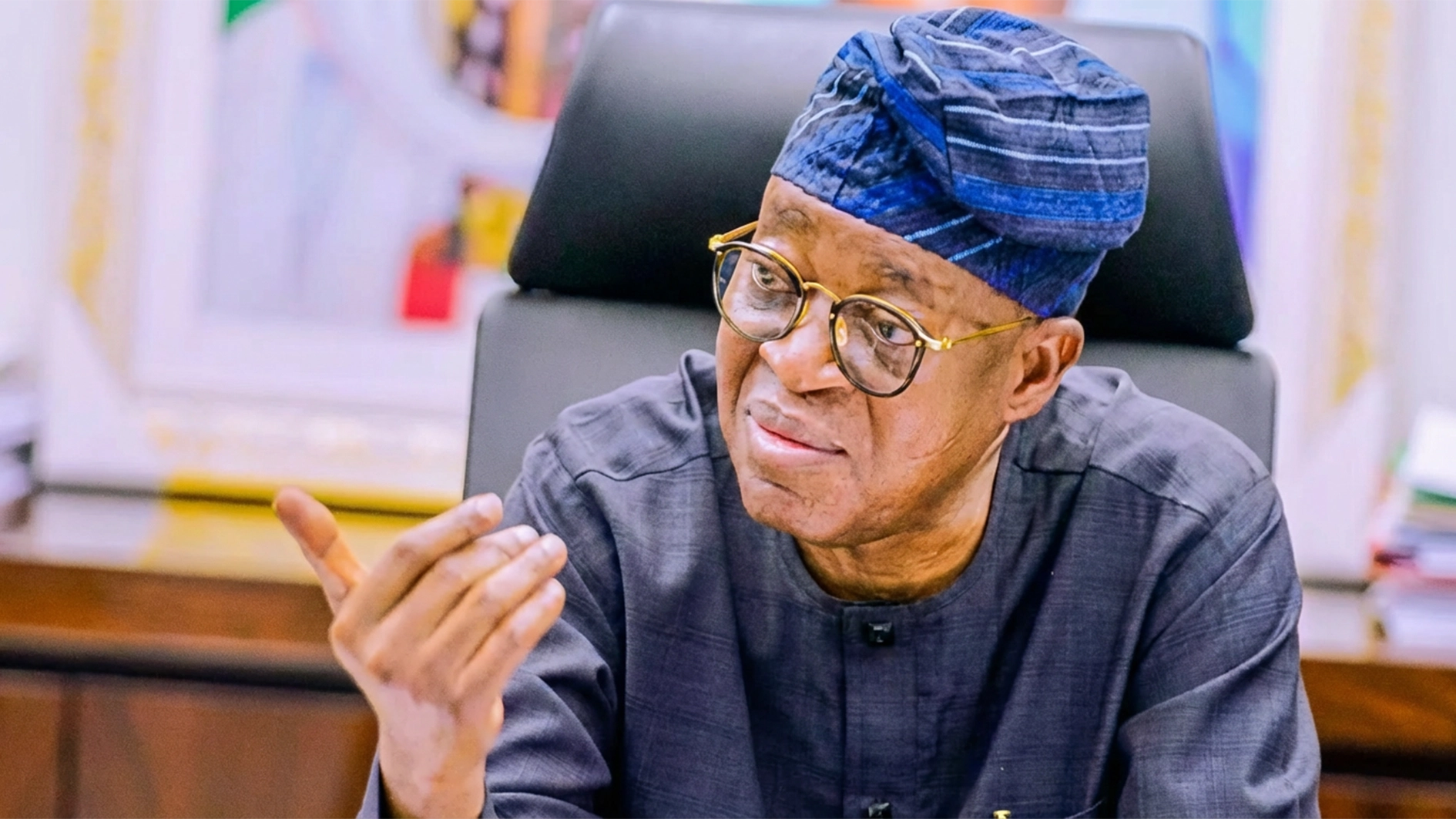
Nigeria has intensified efforts to position itself as a major player in the global maritime space.
This was stated as industry leaders and policymakers gathered in Abuja for the Blue Economy Investment Summit organised by the Maritime Innovations Hub (MIH) in collaboration with the Federal Ministry of Marine and Blue Economy.
At the centre of discussions was a shared resolve to unlock opportunities within the global blue economy, estimated at over $3 trillion yearly, while addressing structural bottlenecks hindering growth.
Declaring the summit open, the Minister of Marine and Blue Economy, Gboyega Oyetola, declared: “The global blue economy, now valued at over $3 trillion annually, has become a critical driver of trade, employment, innovation and sustainable development.”
He stressed that Nigeria’s natural endowments placed it in a strong position to lead in the sector.
“With over 823 kilometres of coastline, extensive inland waterways and a prime location along the Gulf of Guinea, Nigeria is uniquely positioned to harness the immense potential of the marine and blue economy,” the minister added.

According to Oyetola, the summit’s theme is a call for transformation within the sector,
noting that Nigeria now has, for the first time, a comprehensive national policy to guide investments.
He also pointed to improved maritime security through the Deep Blue Project, which he said had helped to restore investor confidence, alongside Nigeria’s return to global prominence with its election into the International Maritime Organisation Council after 14 years.
In his contribution, the Chief Executive Officer of APM Terminals, Fredrik Klinke, echoed the minister’s optimism, describing Nigeria as strategically positioned to lead Africa’s blue economy expansion.
While stakeholders expressed optimism about the sector’s potential, concerns over structural challenges, particularly in logistics and connectivity, dominated discussions.
The Executive Secretary of the Nigerian Shippers’ Council, Barrister Pius Akutah, warned that weak maritime connectivity remained a major threat to Africa’s trade ambitions under the African Continental Free Trade Area.
The convener of the Maritime Innovations Hub, Ronke Kosoko, in her speech warned that bureaucratic delays and poor coordination were major obstacles to unlocking Nigeria’s blue economy potential.
According to her, investor interest in Nigeria remains strong, but execution challenges continue to stall projects.
“Investors are ready, capital is available, but the system must be responsive. Delays of one to two years for processes that should take months are not sustainable,” she said.

