 Follow Us on Google News
 Follow Us on Google Discover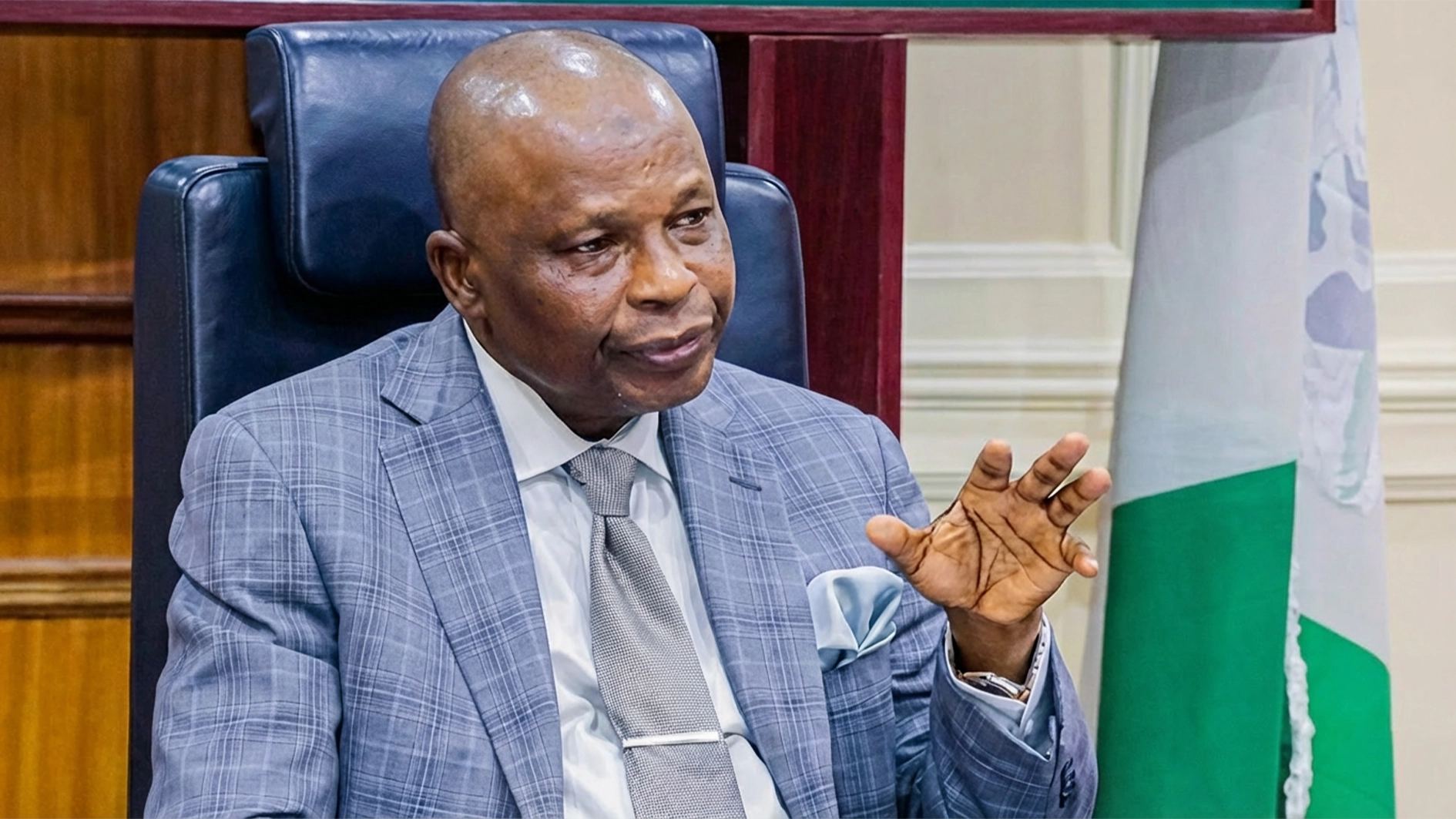
The Federal High Court in Abuja has convicted a total of 386 terrorists put on trial by the Federal Government in the last four days.
The convicted terrorists were sentenced to various jail terms ranging from five years to life imprisonment based on the gravity of the charges against them.
Among those convicted was a 2015 senatorial candidate in Borno State, Babagana Habeeb, who was sentenced to 10 years imprisonment by the court for selling petrol to members of Boko Haram’s sect in the state.
The politician was convicted on Friday by Justice Peter Odo Lifu on a lone count charge of aiding and abetting terrorism in the country brought against him by the Federal Government.
The Attorney General of the Federation (AGF) and Minister of Justice, Prince Lateef Fagbemi (SAN), who confirmed this on Friday, said that a total of 508 defendants were arraigned before 10 courts between Tuesday and Friday.
Briefing journalists at the conclusion of the mass trial, Fagbemi said that eight of the defendants were discharged while two were acquitted from the charges against them.

Fagbemi further explained that a batch of 112 suspects whose cases could not be attended to would be arraigned along with others in the next phase of the mass trial between June 15 and 18, 2026.
He said that the mass trial and the imprisonment of the 386 terrorists will serve as a signal to criminals that Nigeria has no space for heinous crimes like terrorism.
The Justice Minister praised the 10 judges of the Federal High Court for sacrificing their Easter holiday to sit as special courts, in response to a clarion call of the Federal Government to them.
Fagbemi also said that international organisations, especially Amnesty International, Nigerian Bar Association, National Human Rights Commission and other civil societies witnessed the proceedings to ensure that due process of law and transparency took the lead in the trials.
He added that the trials, conducted openly with the participation of key stakeholders, demonstrated the government’s commitment to transparency and accountability in handling terrorism-related cases.
He equally thanked the media for the coverage of the proceedings.
“The fact that you have discharges and acquittals speaks to due process. Anybody who is not guilty will not be sent to jail,” he said.
“These are not normal times. Yet, they answered the call to serve the nation. We are grateful for their commitment.”
He stressed that the convictions send a strong deterrent message to individuals involved in terrorism and its financing.
“There is no space for terrorism in Nigeria. While we cannot stop them from going elsewhere, as far as Nigeria is concerned, we will not accommodate them,” Fagbemi declared.
Beyond punishment, the Attorney-General highlighted the government’s emphasis on rehabilitation, noting that many of the convicted persons were ordered by the courts to undergo de-radicalisation and rehabilitation programmes.
He explained that this approach aligns with global best practices aimed at reforming offenders and reintegrating them into society.
The next phase of the trials is scheduled to hold between June 15 and June 18, as authorities intensify efforts to clear pending terrorism-related cases and sustain momentum in the fight against insurgency.
Habeeb, a fuel dealer in Maiduguri, had upon his arraignment on the one count charge pleaded guilty.
He, however, claimed that his fuel station attendants may have been responsible for the sales.
The politician, while kneeling down in the dock for almost one hour his trial lasted, pleaded passionately with Justice Lifu to be lenient with him in the sentence.
He claimed to have two wives and six children and that he had not been allowed to see or communicate with any member of his family since more than 10 years he was hauled into detention.
But counsel to the Federal Government, Mr. David Kaswe. opposed the plea of the convict for leniency, adding that the logistics support he accorded the terrorists had led to death of several people and rendered others homeless.
In his judgment, Justice Peter Lifu held that there was no evidence that the convict was a member of Boko Haram or trained on weapons, adding that the sole accusation against him was on the sale of fuel to the terrorists.
The judge also held that the claim of spending more than 10 years in custody by the convict was not debunked by the prosecution.
Justice Peter Lifu subsequently sentenced the defendant to 10 years imprisonment.
He, however, ordered that the jail term should start from the date of arrest and detention of the convict.
The judge ordered that the convict be immediately released upon his signing of his release warrant to enable him go for extensive rehabilitation.

