 Follow Us on Google News
 Follow Us on Google Discover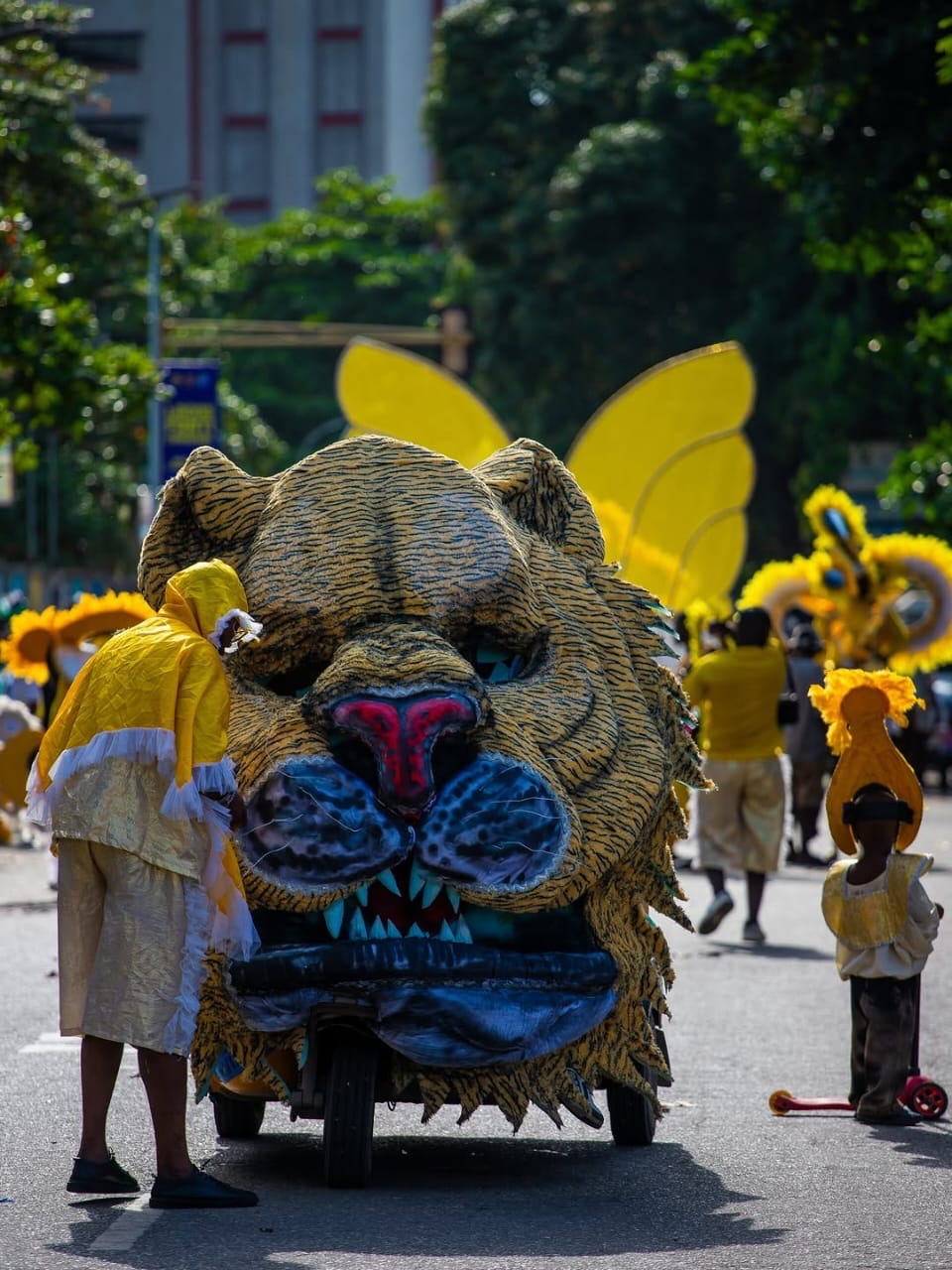
Did you know that Lagos and Brazil share a history? If you walk through certain parts of Lagos Island, you will see old buildings that look like they belong in South America. This is because, hundreds of years ago, a bridge was built across the ocean, a bridge between people and culture. Check out what joins these cities together.
A journey across the sea

The story begins with the dark era of the Trans-Atlantic slave trade, during which a significant portion of the population taken to Brazil originated from the Yoruba-speaking regions of West Africa. However, unlike many other parts of the Americas, the Yoruba in Brazil, particularly in Bahia, actually maintained a fierce grip on their language, religion, and social structures.
Returning home
Following the Malê Revolt of 1835 in Salvador and the eventual abolition of slavery in Brazil in 1888, many Afro-Brazilians began a reverse migration. These returnees, known in Lagos as the Aguda, arrived with more than just their belongings; they brought a unique Luso-African culture that would redefine the Lagosian skyline and social elite.
Architecture
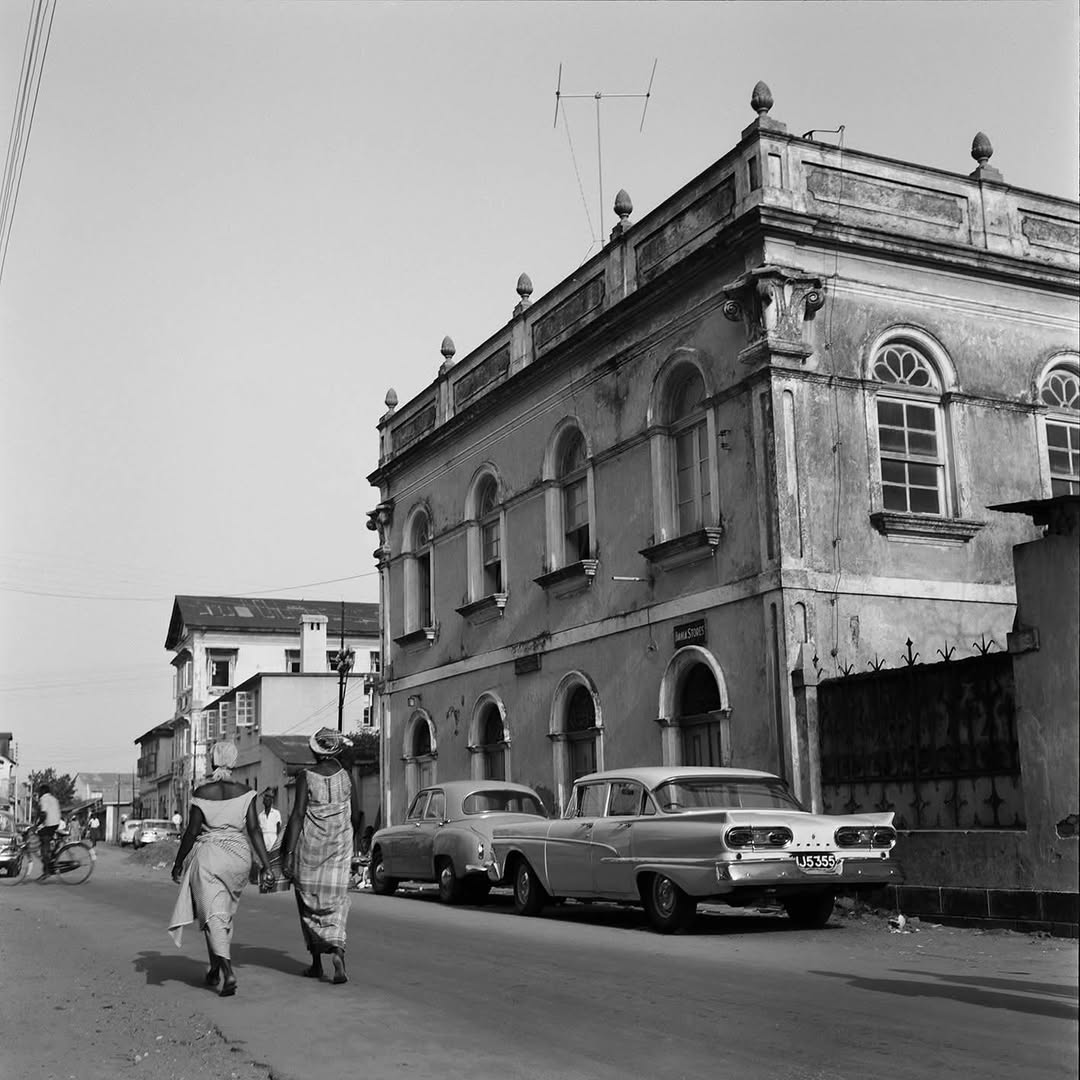
Water House: Perhaps the most famous landmark, built by João Esan da Rocha, a returnee who became one of the wealthiest men in West Africa.
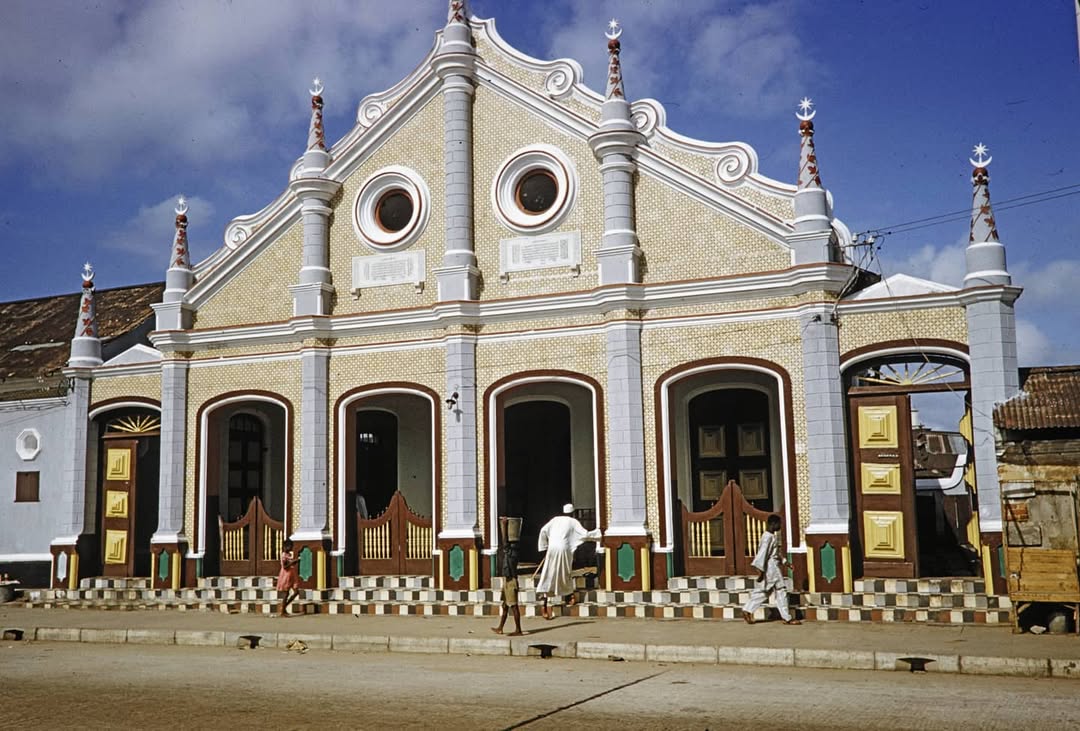
Shitta-Bey Mosque: A stunning example of how Brazilian craftsmanship was applied to Islamic worship, featuring intricate floral motifs typical of South American cathedrals.
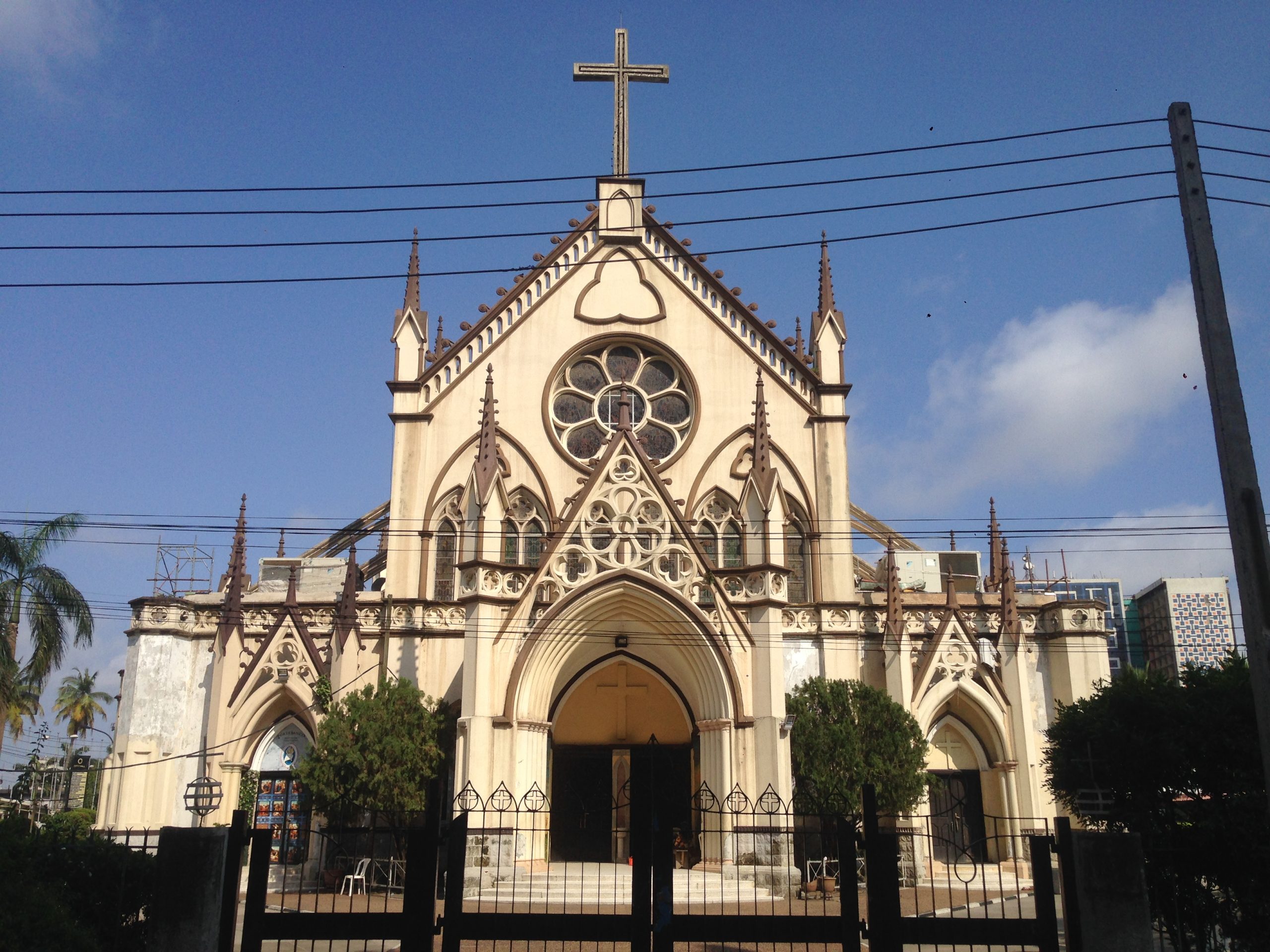
The Cathedral of the Holy Cross: A testament to the Catholic faith the returnees brought back with them, standing as a gothic-brazilian hybrid in the heart of the city.
Food
The influence extends far beyond bricks and mortar. If you love Akara (bean cakes) in Nigeria, you would feel right at home in Brazil, where they call it Acarajé. If you find yourself in Lagos enjoying a bowl of Frejon, a coconut bean soup traditionally eaten during Holy Week, you are tasting a direct culinary import from Brazil.
The spiritual connection: Candomblé and Orisa
While the Aguda brought Catholicism to Lagos, a parallel exchange happened in reverse. In Brazil, the Yoruba religion evolved into Candomblé. Today, many Afro-Brazilians travel to Southwest Nigeria on “ancestral pilgrimages” to visit the shrines of Osun and Ife. This spiritual bridge has created a unique diplomatic channel. It is not uncommon to see Brazilian scholars in Lagos studying Yoruba linguistics, or Nigerian artists in Bahia finding inspiration in the preserved traditions of their distant cousins.
Carnival
The bright colours and loud drums of the Lagos Carnival come directly from the famous festivals in Brazil. Both places love to dance in the streets with beautiful costumes. Whether you are in Rio de Janeiro or Lagos Island, the heartbeat of the music feels the same.
A continued bond in names

