 Follow Us on Google News
 Follow Us on Google Discover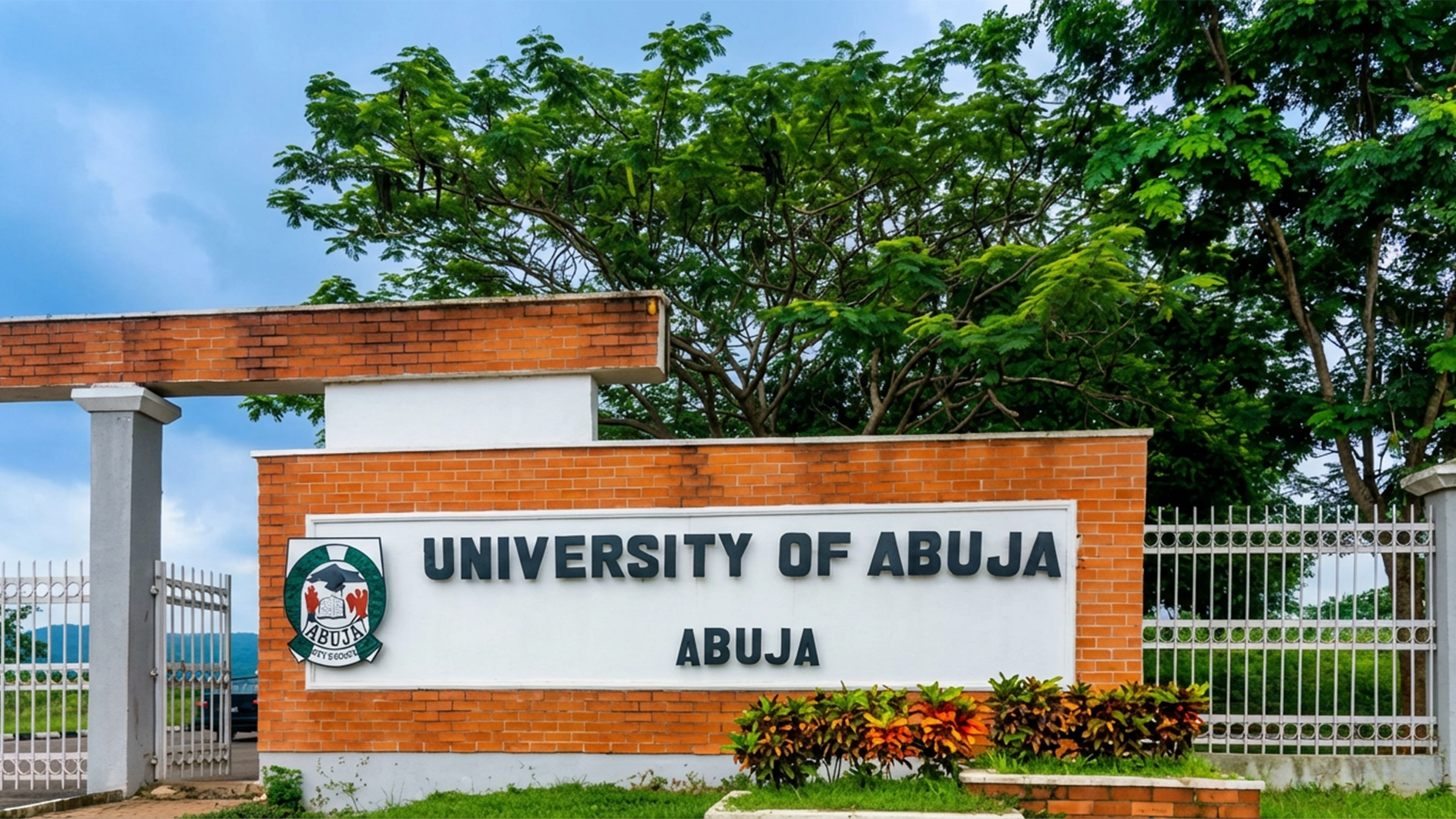
The Resource Centre for Human Rights and Civic Education (CHRICED) and the University of Abuja have formalised a partnership to establish a centre dedicated to preserving the culture, history and identity of Abuja’s original inhabitants.
The collaboration, sealed through a Memorandum of Understanding (MoU) signed at the university, signals the commencement of plans for the Abuja Original Inhabitants Heritage Centre.

Speaking at the signing of the MoU, Vice-Chancellor of the university, Prof. Hakeem Babatunde Fawehinmi, described the initiative as a significant milestone in the institution’s drive towards research advancement and internationalisation.
He said the centre would evolve into a global hub for indigenous studies, attracting scholars from across Africa and beyond.
“We believe this will be an international centre of excellence where people from different parts of the world will come to study indigenous heritage, traditions and identity,” he said, assuring that the university would provide the administrative and academic support required for its sustainability.
Executive Director of CHRICED, Ibrahim Zikirullahi, said the project was conceived as a response to the continued marginalisation and displacement of Abuja’s indigenous communities.
He noted that many natives of the Federal Capital Territory have been excluded from political participation and decision-making processes, despite being original inhabitants of the land.
“Over two million indigenous people in Abuja are completely excluded. Their lands have been taken over, their means of livelihood destroyed, and they are displaced repeatedly in the name of development,” he said.
Zikirullahi explained that beyond advocacy, the centre would serve as a cultural repository where the history, artefacts and traditions of the indigenous communities would be preserved for future generations.
“There is a need to establish a monument that will showcase their culture, their values, their traditions and history. If these are erased, then their identity is gone,” he added.
He disclosed that the facility would include research units, cultural displays and tourism components, making it both an academic and leisure destination.
According to him, the project is being supported by the MacArthur Foundation and would serve as a research and policy hub on indigenous issues, climate responsibility and inclusive development.
Zikirullahi stressed that due diligence was ongoing to ensure structural integrity and environmental compliance before construction begins.
“A project of this magnitude requires approvals across multiple levels. We are ensuring that all architectural designs and environmental standards are met. Hopefully, within the next few weeks, construction will commence,” he said.
Chairman of CHRICED’s Board, Prof. Momodu Kassim Momodu, described the initiative as a groundbreaking project with global relevance.
He noted that once completed, the centre would attract researchers from across the world and establish partnerships with similar institutions internationally.
“A research centre like this will draw scholars interested in indigenous knowledge from all over the world. It will become a reference point not just for Nigeria, but for Africa,” he said.
Momodu expressed confidence in CHRICED’s capacity to deliver the project, citing the organisation’s track record of executing impactful interventions.
Also speaking, the Director of the Centre for Indigenous Studies at the university, Prof. Matthew Dada, described the signing of the MoU as historic, noting that it would strengthen indigenous identity within the academic space.

