 Follow Us on Google News


 Follow Us on Google Discover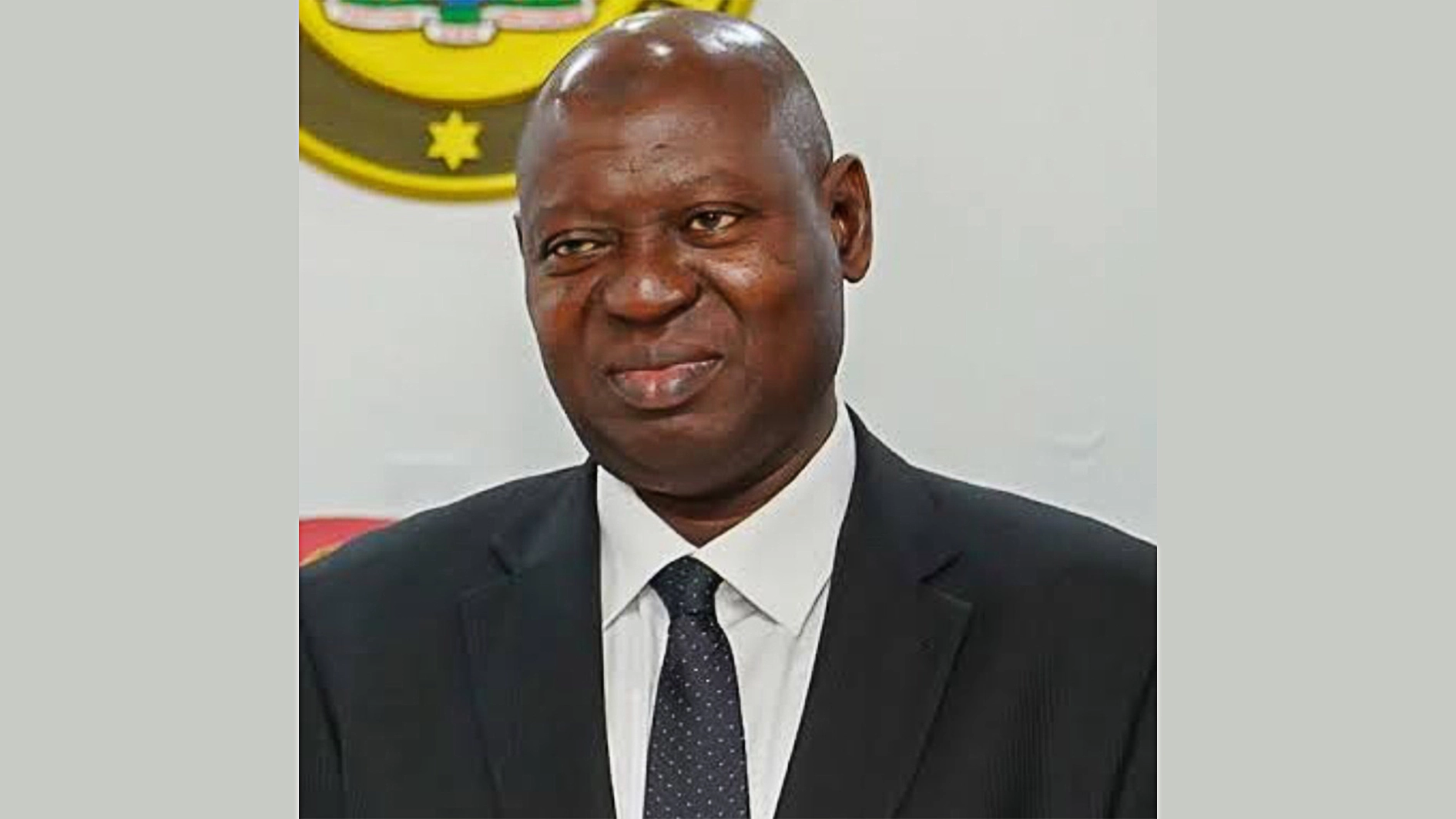
The Chief Judge of Lagos State, Justice Kazeem Alogba, has reaffirmed the judiciary’s commitment to embracing forensic science as a critical tool for strengthening justice delivery, as preparations intensify for the forthcoming global summit organised by the International Academy of Forensic in partnership with The Guardian.
Receiving a delegation from the academy and representatives of The Guardian at his office within the Ikeja High Court, Alogba stressed that the evolution of legal systems must keep pace with rapid scientific advancements to ensure fairness and efficiency in adjudication.
“As science advances, so too must our legal systems evolve,” he said, noting that the integration of forensic innovation into Nigeria’s justice architecture is essential for building a more just and equitable society.
The summit, scheduled to hold from June 22 to 26, 2026, is themed: “Forensic Investigation and Criminal Intelligence: Strengthening the Administration of Justice in the Age of Technological Advancement.”
Alogba acknowledged the limitations inherent in Nigeria’s adversarial legal system, where judges are confined to evaluating only the evidence presented before them and are prohibited from conducting independent investigations.
According to him, this reality underscores the importance of credible, scientifically grounded evidence in aiding judicial decision-making.

He explained that judges are duty-bound to remain impartial arbiters, relying solely on facts and legal arguments presented by parties. Where a judge possesses prior knowledge not shared by litigants, he or she must step aside to preserve the integrity of the process.
Within this framework, the Chief Judge said forensic science offers a powerful means of bridging evidentiary gaps and enabling courts to arrive at more accurate and reliable conclusions.
He, however, expressed concern over gaps in specialised training across the justice sector, particularly in handling sensitive cases such as sexual offences and family disputes.
These areas, he noted, require dedicated courts, skilled personnel and modern investigative approaches, which are still evolving in Nigeria.
Alogba also highlighted deficiencies in police training, especially in the investigation and prosecution of sexual violence cases, observing that poor handling of evidence at early stages often weakens cases before they reach the courts.
While acknowledging ongoing improvements, he called for sustained investment in capacity building for law enforcement, legal practitioners and judicial officers, stressing that professionalism and technical expertise are indispensable in modern justice systems.
He further underscored the multidisciplinary nature of forensic science, noting that it encompasses various specialised fields requiring targeted knowledge and continuous training.
He advocated the development of dedicated forensic teams to support investigations, adding that such expertise would significantly enhance the quality of evidence presented in court.
The Chief Judge also drew attention to the role of coroners, describing it as a vital but underutilised mechanism for investigating suspicious deaths. Strengthening the coroner system, he said, would improve accountability and complement forensic processes.
Earlier, the team lead of the delegation, Dr Damilola Fagboro, said the summit aims to bring together experts from across jurisdictions to explore advancements in forensic science and their application in legal systems, with a focus on improving justice outcomes.
Fagboro highlighted the growing relevance of DNA analysis as a critical tool for determining identity, establishing parentage and resolving complex legal disputes. He recounted a case where DNA evidence contradicted a long-held belief about biological parentage, illustrating both the power and disruptive potential of forensic science.
“Scientific results can reveal realities that contradict personal beliefs or long-standing narratives.”
He identified key challenges hindering the adoption of forensic science in Nigeria, including the high cost of analysis, limited access to advanced laboratories and inadequate specialised training among legal practitioners and investigators.
Fagboro called for increased investment in forensic infrastructure and capacity building, urging authorities to prioritise training for judges, lawyers and law enforcement personnel to ensure proper interpretation and application of scientific evidence in court.
He also stressed the need for stronger collaboration between the judiciary, law enforcement agencies and forensic experts, noting that such synergy would enhance the credibility of criminal investigations and improve public confidence in legal outcomes.
During the visit, High Court judges, Magistrates presents underscores the growing recognition of forensic science as an indispensable pillar of modern justice systems and a critical driver of reform in Nigeria’s legal landscape.

