 Follow Us on Google News
 Follow Us on Google Discover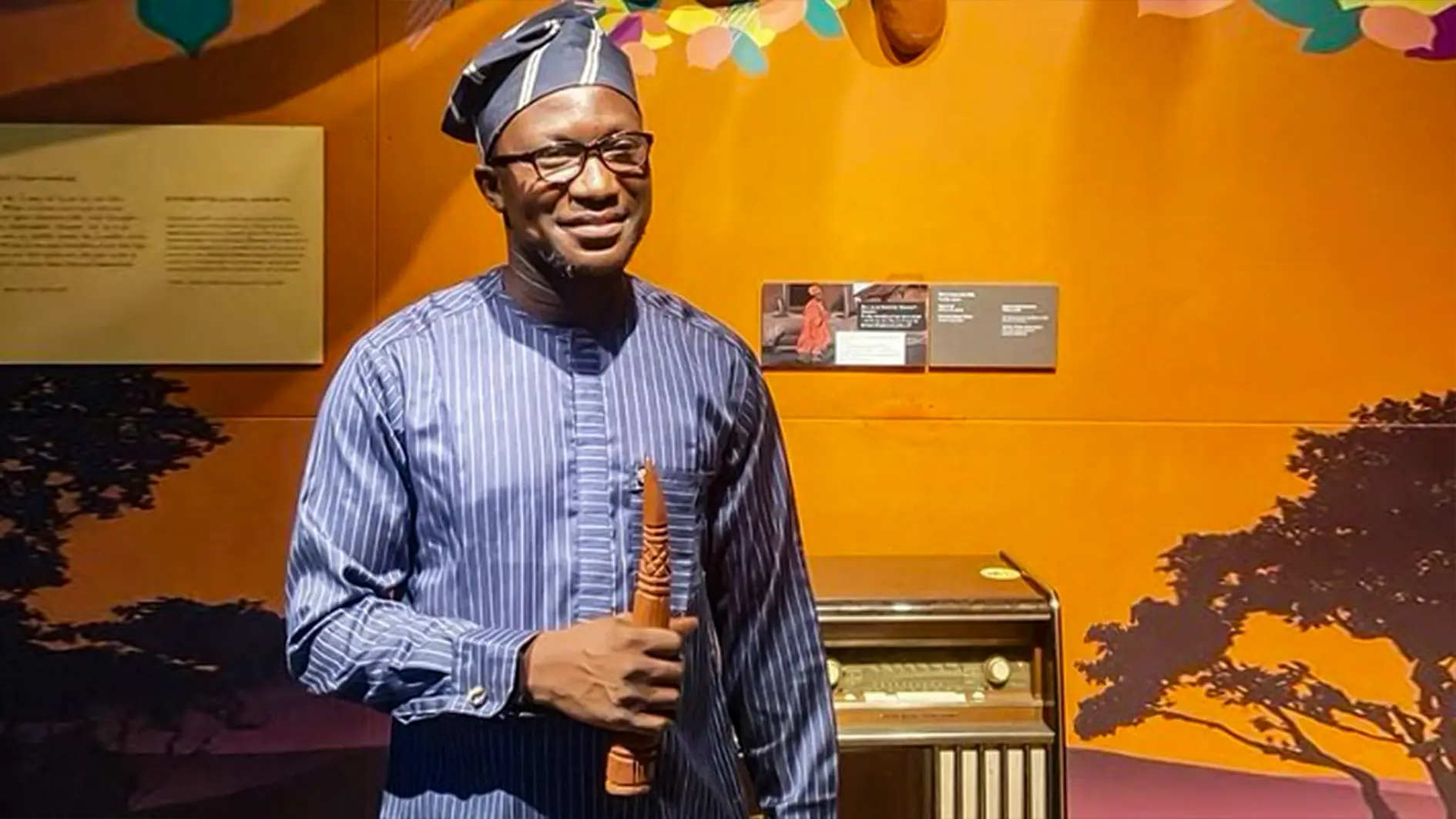
Award-winning cultural documentary filmmaker and Executive Director of the Dundun Centre, Ayankola Ayanwuyi, has announced the postponement of the Ibadan screening of his much-anticipated documentary, The Throne of Alaafin Oyo, citing security concerns.
The filmmaker made the disclosure on Tuesday via his official X (formerly Twitter) handle, alleging that the Alaafin of Oyo, Oba Akeem Abimbola Owoade I, issued a direct threat to his life over the production of the film.
“Alaafin himself threatened he would kill me and nothing will happen because I made a film promoting the throne of his forebears,” Ayanwuyi stated.
“In this age and time, a Yoruba king said he would kill me and nothing will happen.”
The screening, originally scheduled to take place on April 16 in Ibadan, has now been postponed indefinitely.
Notification to Palace Before Controversy
Prior to the development, Ayanwuyi had formally notified the palace of the Alaafin about the documentary and its scheduled screening. In a statement addressed to the monarch, he emphasised the cultural and historical importance of the project.

According to him, The Throne of Alaafin Oyo is a 45-minute documentary that chronicles the transition from the reign of Oba Lamidi Adeyemi III to the ascension of the current Alaafin. The film explores the intricate kingship processes, traditional rites, and ancestral lineage that define the revered institution within Yoruba history.
“This project is undertaken with respect for Oyo and its enduring place in Yoruba civilisation,” he noted in the notification.
The documentary is scheduled for a series of physical screenings across major Yoruba cities, including Lagos, Ibadan, Oyo, and Ogbomoso, throughout April 2026.
Despite the controversy, the film has already attracted attention within cultural and academic circles. Last Saturday, historians, cultural advocates, and enthusiasts of Yoruba heritage gathered for a private viewing at the J. Randle Centre for Yoruba Culture and History in Onikan, Lagos.
The event doubled as an interactive session, offering attendees deeper insights into the historical and symbolic significance of the Alaafin stool widely regarded as one of the most storied traditional institutions tracing its roots to Oranmiyan.
The documentary is dedicated to the memory of Adebayo Faleti (1921–2017), a revered figure whose contributions significantly advanced the preservation and promotion of Yoruba language and culture through literature and modern media.
As of the time of filing this report, there has been no official response from the palace of the Alaafin regarding the allegations made by the filmmaker. The postponement raises concerns about artistic freedom, cultural discourse, and the safety of creatives engaging with traditional institutions.
Observers say the situation underscores the delicate balance between cultural reverence and contemporary storytelling in documenting Africa’s historical narratives.

