 Follow Us on Google News
 Follow Us on Google Discover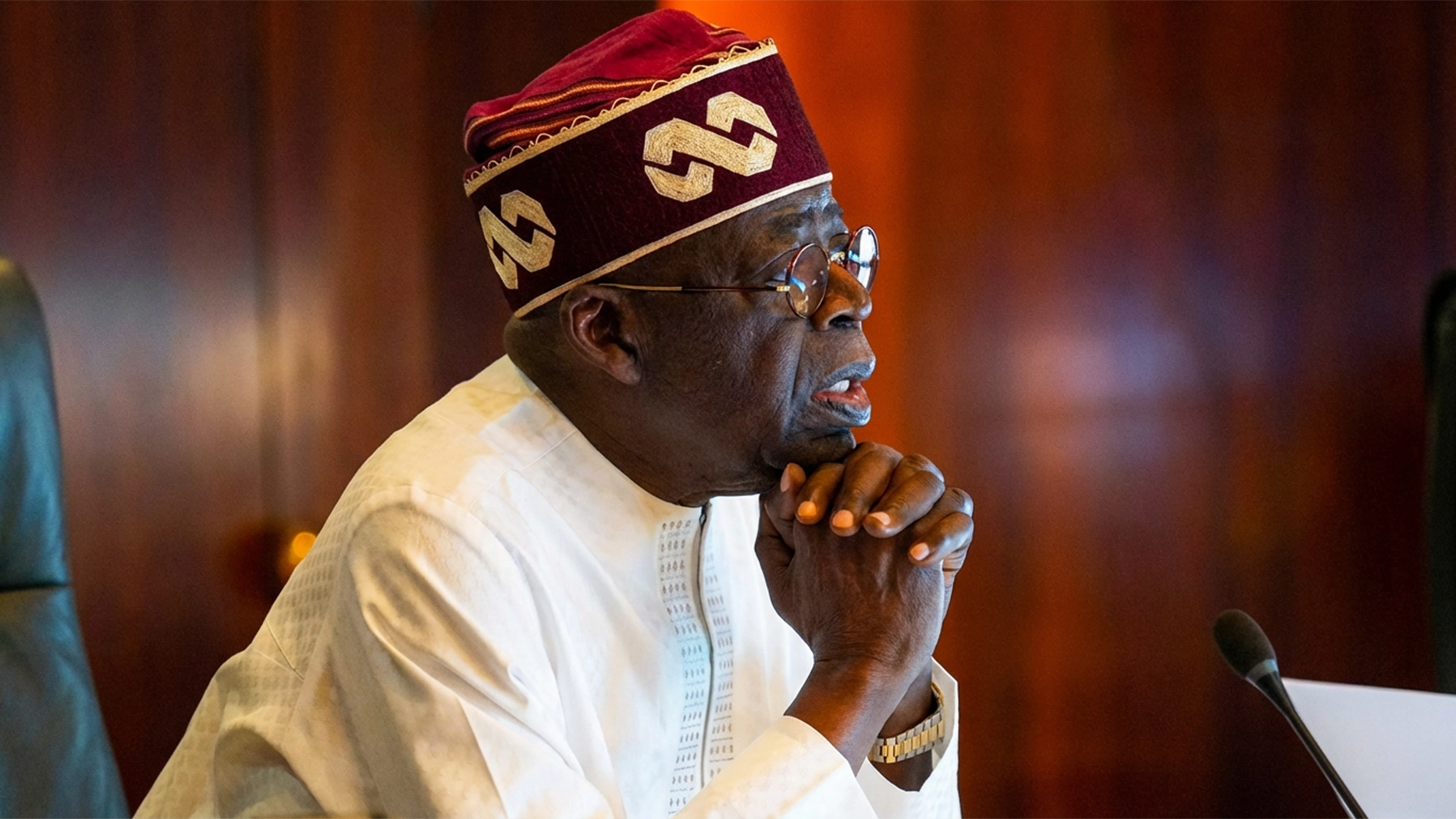
President Bola Ahmed Tinubu has declared Nigeria’s intention to transform its perennial flood crisis into a driver of economic growth, unveiling a bold vision to shift from an oil-dependent economy to one powered by water resources.
Speaking at the 2026 Annual Flood Outlook (AFO) presentation by the Nigeria Hydrological Services Agency in Abuja, the president , represented by the Minister of Environment, Balarabe Abbas Lawal said flood management is now central to national development and food security.
Describing the event as a “significant milestone,” Tinubu linked his administration’s flood control strategy to its broader 8-point agenda, particularly the goal of achieving food security through strengthened water resource management.
Nigeria has grappled with devastating floods since 2012, a crisis the president said his administration is confronting through targeted policies and nationwide flood control projects.
He noted that high-risk states including Adamawa, Benue, Kogi, Bayelsa and Rivers have received focused intervention.
Tinubu highlighted what he described as measurable progress in agriculture, attributing improved yields to sustained efforts in managing water resources and mitigating flood risks.

A major turning point, according to him, was the 2024 Maiduguri flood disaster, which forced a shift from reactive to proactive flood management.
This has led to the adoption of “anticipatory action” , a coordinated early-warning and response system spearheaded by the Office of the Vice-President, in collaboration with security agencies, development partners and disaster management stakeholders.
The president explained that the Annual Flood Outlook issued by NIHSA, is a critical tool for early preparedness, mitigation and coordinated response across all 36 states, the Federal Capital Territory and the 774 local government areas.
Tinubu challenged key ministries, including Water Resources and Marine and Blue Economy, to develop actionable frameworks that will unlock Nigeria’s vast water potential for economic diversification.
He stressed that with effective management of waterways and natural resources, Nigeria can gradually reduce its dependence on oil and build a resilient, water-based economy.
The president also called on citizens, institutions and communities to take collective responsibility in flood preparedness, environmental protection and climate resilience.
“Let us join hands to make Nigeria a flood-safe nation,” he said, urging proactive measures to protect vulnerable populations and strengthen national resilience against climate-induced disasters.
The 2026 AFO, themed, “Smart Water Resources Management: Moving from Oil to Water-Based Economy,” provides nationwide flood forecasts and risk insights aimed at guiding early action ahead of the rainy season.

