 Follow Us on Google News


 Follow Us on Google Discover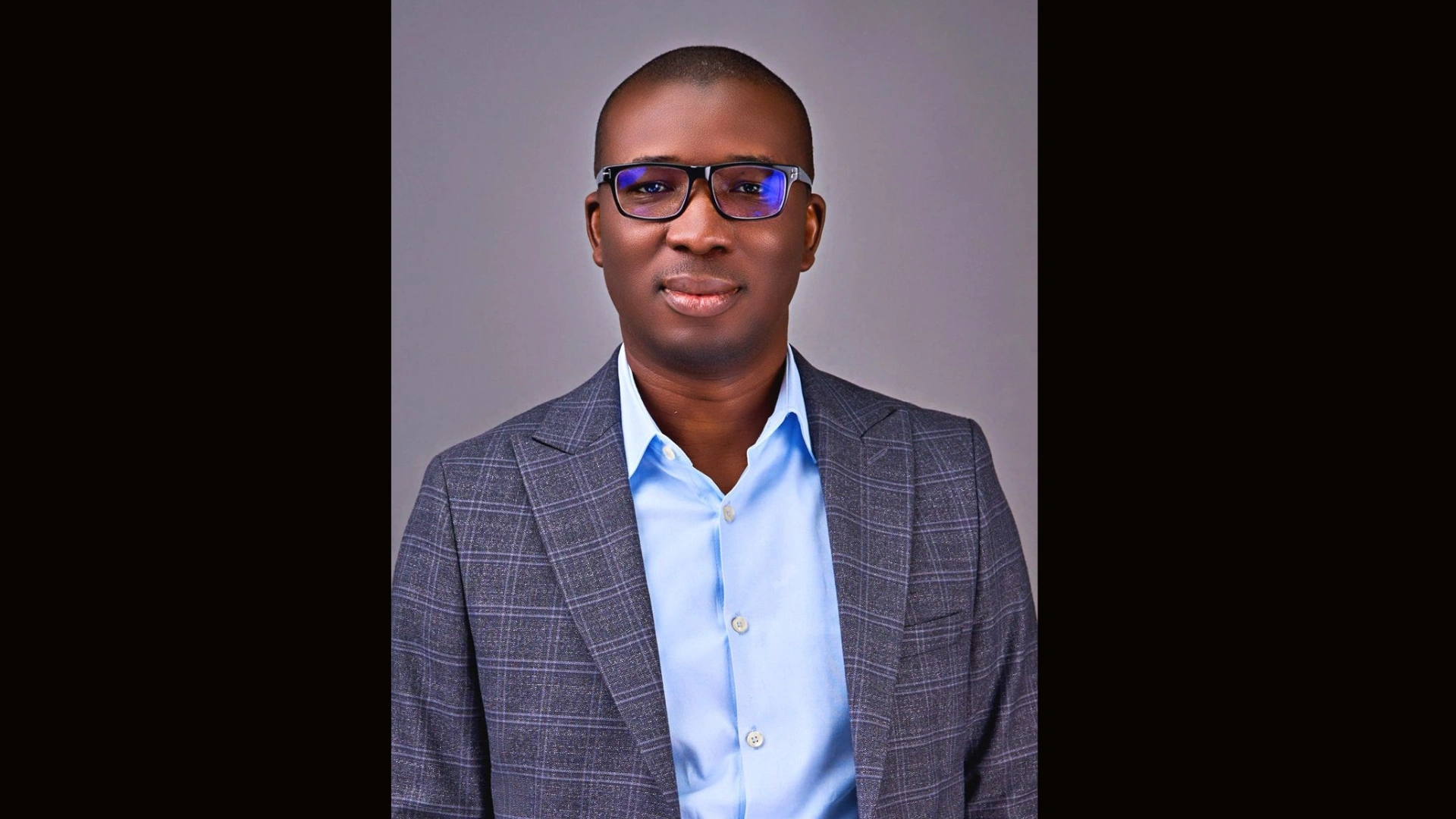
Olayide Folorunso: A Bridge-Builder Transforming Fuel Retail with Technology
Olayide Folorunso came to energy technology through systems rather than slogans. From his early training in Zaria to boardroom reviews in Lagos, he learned to treat every tank, meter and receipt as part of one connected whole. Today he guides Fuelmetrics Limited as Co-Founder and Chief Executive, shaping software and devices that bring order to the daily churn of the oil and gas trade. His method favours measurement over assumption and his team delivers automation that speaks the language of supervisors, auditors and drivers alike. The result is fuel retail reshaped by technology.
That academic grounding gave Olayide a distinct way of seeing the forecourt. At Ahmadu Bello University, where he read Physics, he learned to question readings and test assumptions until the numbers agreed. The University of Lagos, where he completed a Master’s in Systems Engineering, added a habit of tracing how one loose valve affects the whole plant. When he joined Ayodeji Ogundiran, Chidi Eze and Gabriel Ojomu to form Fuelmetrics in 2014, those habits became company practice. The four founders chose to start with the smallest daily problems first. A misreading at the pump. A reconciliation that arrived two days late. A variance report that raised more questions than answers. By insisting that each device speak the same language of time stamped data, they built a common record for owners, managers and attendants. The effect was simple and direct. Arguments about shortfalls gave way to clear figures, and the work of running a station began to rest on facts that refreshed by the hour rather than guesses that surfaced at month end.
Beyond the screens and meters, Epump, Fuelmetrics’ flagship fuel station management system, changes how owners relate to their own sites. Instead of waiting for end of day tallies or second hand reports, a manager can check a nozzle reading during a school run or confirm a delivery whilst in a meeting across town. That immediacy removes the guesswork that once padded out shift handovers and stock checks. It also places responsibility where it belongs. When every litre is accounted for as it flows, conversations about shortfalls become shorter and more factual. The software records, timestamps and presents the evidence, letting the numbers settle disputes that used to linger.
The move to self service extends that same principle to the customer. Drivers tap, authorise and fuel without queuing for a cashier, yet the station never loses sight of the transaction. For owners, it means a forecourt can keep trading after midnight without stretching the wage bill. The innovation lets 24 hour stations remain active even with fewer staff, so hauliers and ambulance crews get a reliable fill at odd hours when a missed stop costs more than a few naira. Over weeks and months, those extra trading hours compound. They steady income during quiet periods and give small operators the confidence to plan routes that once felt risky. The terminal is not a gadget. It is a quiet extension of the promise Fuelmetrics started with Epump: put clear data in the hands of the people who keep the pumps running, and let them decide what growth looks like next.
The work he has been doing through the Christian Business Leadership Network shows how Olayide Folorunso builds beyond software. In rooms where spreadsheets give way to shared meals, he brings together shop owners, finance officers and young founders who want their decisions to hold up in daylight. The Lagos Business Fellowship does not preach. It asks plain questions about how profit and principle meet at month end, and it leaves space for answers that last beyond a quarter. From those meetings comes the annual SME Conference, where practical sessions on cash flow sit beside discussions on character. For Olayide, code and conscience draw from the same source. One fixes the pumps, the other steadies the hands that run them.

That dual focus now points toward machine intelligence and the supply lines that keep stations stocked. As more operators adopt digital tools, the next test is whether those tools can think ahead rather than simply report behind. Olayide Folorunso is directing Fuelmetrics toward systems that anticipate demand, flag delays before they bite, and suggest prices grounded in local patterns. His aim is not to import a finished model from elsewhere. It is to shape one in Nigeria that fits the roads, the queues and the currency swings that define the market here. He speaks often of institutions that outlive their founders, built on choices that treat causes rather than symptoms. In that sense, the algorithms are only part of the task.

