 Follow Us on Google News


 Follow Us on Google Discover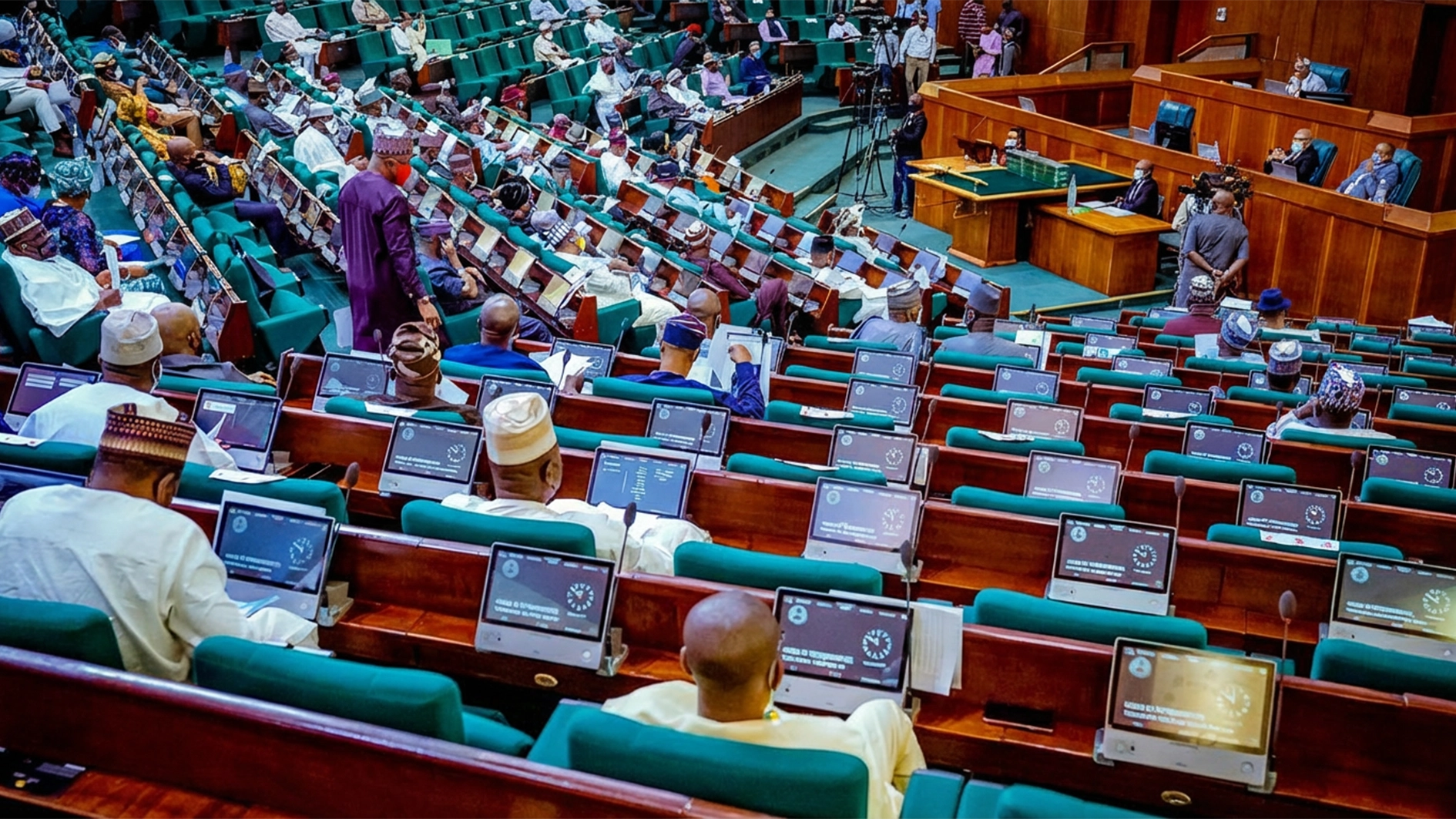
It remains a matter of concern that global and local efforts aimed at improving the wellbeing of women and girls as invaluable stakeholders in every society have not yielded the desired impact on the female gender in Nigeria. The weaker sex, as so-called, are still visibly afflicted with challenges that have continued to make them vulnerable and downgraded. Although Nigeria has made some progress in acknowledging women as critical stakeholders in nation building, the country has not been able to move from rhetoric to taking pragmatic and consistent steps to address the challenges confronting them in many parts of the country, particularly to give women freedom to develop themselves and make more meaningful contribution to the country.
Liberating Nigerian females from the obstacles that prevent them from enjoying their rights in a country that professes to be operating a democratic government requires good governance and the political will of leaders to build an egalitarian society.
Unfortunately, these attributes are lacking in the country’s leadership, as reflected in poor implementation of existing laws, policies and programmes aimed at protecting women and girls. Today, women and girls are the worst victims of the myriad of problems, including insecurity, afflicting the country. There is therefore need to urgently address the plight of millions of women and girls in Nigeria who have become victims of discriminatory and other unjust treatments. The Nigerian society has a responsibility to ensure that women and girls do not regret being born as females.
Fresh concerns for the plight of women and girls came to the fore recently as the world marked International Women’s Day (IWD) 2026 during which public officers and civil society groups hailed the resilience of Nigerian women and called for increased investment in them as a strategic pathway to national development and inclusive growth.
Senate President, Godswill Akpabio described women as pillars of strength whose daily efforts continue to shape families, communities and the nation. Deputy Speaker of the House of Representatives, Benjamin Kalu noted that this year’s theme, ‘Give to Gain’, highlights the importance of investing in women through access to resources, quality education and leadership opportunities to build a stronger and more equitable society.
According to him, societies thrive economically, socially and politically when women are given the tools and opportunities to succeed.

First Lady, Oluremi Tinubu called for sustained efforts towards advancing the rights, opportunities and empowerment of women and girls, noting that the progress of women is central to national development. Interim National Chairman of the Labour Party (LP), Esther Nenadi Usman called for stronger legislative and policy measures to promote full participation of women in governance and decision-making across Nigeria.
“Nigeria can only reach its full potential when the voices, talents and leadership of women are fully deployed and respected in every sphere of national life,” she said. Also, the African Democratic Congress (ADC) which claims to have allocated 40 percent of all party positions to women, craved their inclusion in governance, stating that women must move from the margins to the centre of leadership and decision-making.
What should take precedence in addressing the plight of women and girls is their safety.
It is visible today that women and girls are the most vulnerable in the escalating insecurity in the country. When terrorists, kidnappers and other hardened criminals strike, women and girls constitute the highest number of people that are taken into captivity, where they suffer untold hardship, including forced marriage, sexual violence and death. Thousands of them who have been displaced from their communities are still suffering extreme poverty, inadequate healthcare, including lack of antenatal services, as well as alleged sexual exploitation by unknown actors and security operatives in the displaced people’s camps. They exchange sex for food and other necessities. In other places in the country, many women are finding it financially difficult to afford proper healthcare when they fall sick or are pregnant, leading to untimely death, particularly during childbirth.
It is the constitutional responsibility of government to provide security and welfare for the citizens. Government needs to end the insecurity that is exposing Nigerian women and girls to all manner of violence, retarding the realization of their life ambition and sending many to early graves.
It is heartwarming to learn that the National Health Insurance Authority is coming up with an initiative for access to free caesarean services by pregnant women in about 100 hospitals to reduce mortality rate. Though the number of hospitals is very small in view of the fact that women constitute almost half of the nation’s population with many of them still within child bearing age, the plan raises hope for the women. The scope can be widened to include chronic diseases like cancer and diabetes that cost a lot of money to treat.
Another challenge confronting girls, especially in the northern part of the country, is early marriage which constitutes a serious threat to the education of the children. Many of them end up as stark illiterates, their talents buried, and unable to contribute meaningfully to national development. It is lamentable seeing some leaders promoting this anti-women attitude by either directly getting married to teenage girls or accepting them as gifts. This egregious cultural practice is no longer acceptable in modern time and should be scrapped.
Over the years, the trenchant campaign for inclusion of more women in the political governance of the country has failed to yield desired result, and the country continued to be robbed of the potential contribution of women in nation building. From the National Assembly to states assemblies and to the legislative houses of the 774 local governments, it is a picture of seeming conspiracy against women becoming lawmakers in the country.
There are state assemblies that have no single woman member. Even in the executive arm of government, women representation is very poor. The narrative must change.
In expectation of the desired change, women should exhibit the desire for liberation by standing with their own to encourage others to support them. It is not pleasant that women are often antagonists of their fellow women in times of election. They certainly need a change of attitude in order to make a strong statement that they are ready to play leadership role in Nigeria.
The Child Rights Act should be domesticated and implemented by all states of the federation. Also, all laws, policies and programmes aimed at improving the wellbeing of women and girls should be respected and implemented. This is a task for all Nigerians.

