 Follow Us on Google News
 Follow Us on Google Discover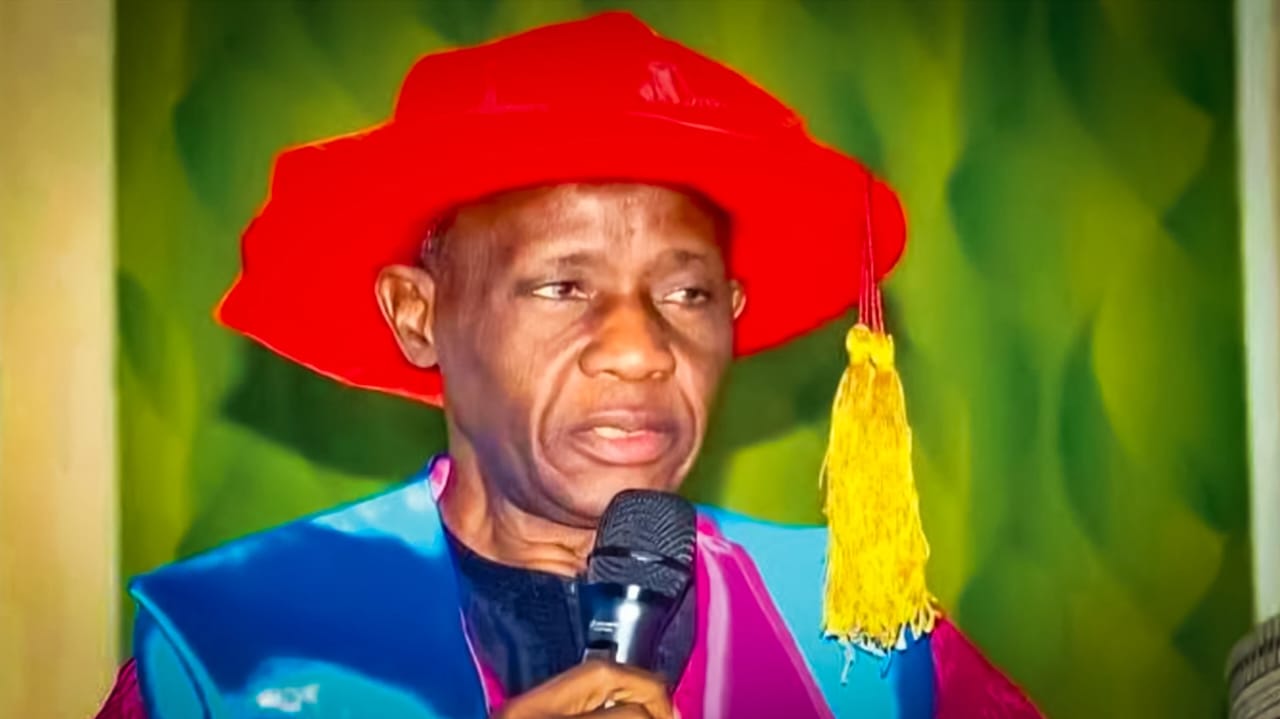
Nigerian football has been thrown into mourning following the death of former Nigeria Football Federation president, Ibrahim Ibrahim Galadima, who passed away at the age of 74.
The sad development was officially confirmed on Saturday, drawing tributes from across the football community.
Widely respected for his leadership and vision, Galadima was considered one of the most influential figures in the history of football administration in Nigeria.
According to reports, he died in Kano, leaving behind a legacy that spans decades of service to both sports and public administration. Many within the football ecosystem have described him as a mentor, a guiding force, and a pillar whose contributions helped shape modern Nigerian football.
Galadima served as president of the then Nigeria Football Association from 2002 to 2006. His tenure was marked by notable administrative strides and Nigeria’s consistent participation in both continental and international competitions.
Before reaching the pinnacle of football leadership, Galadima had already built a strong reputation in sports governance. He previously served as chairman of the Kano State Football Association from 1977 to 1979 and later led the Kano State Sports Council as executive chairman between 1981 and 1983.

Beyond football, his influence extended into public service. He held key positions in Kano State, including commissioner for sports and later commissioner for works, housing, and transport—roles that reflected his versatility and leadership beyond the sporting arena.
On the national and international stage, Galadima also made significant contributions.
He served as first vice-president of the Nigeria Olympic Committee and played a role in Nigeria’s hosting of the 1999 FIFA World Youth Championship, further solidifying his impact on sports development.
He was also recognized as one of the founding figures of Kano Pillars F.C., contributing to the growth of grassroots and club football in the country.
Reacting to his passing, the current leadership of the NFF described him as a man of integrity, diligence, and deep wisdom whose influence helped shape generations of sports administrators in Nigeria.
His death marks the end of an era in Nigerian football, but his legacy will continue to resonate across the game for years to come.

