 Follow Us on Google News
 Follow Us on Google Discover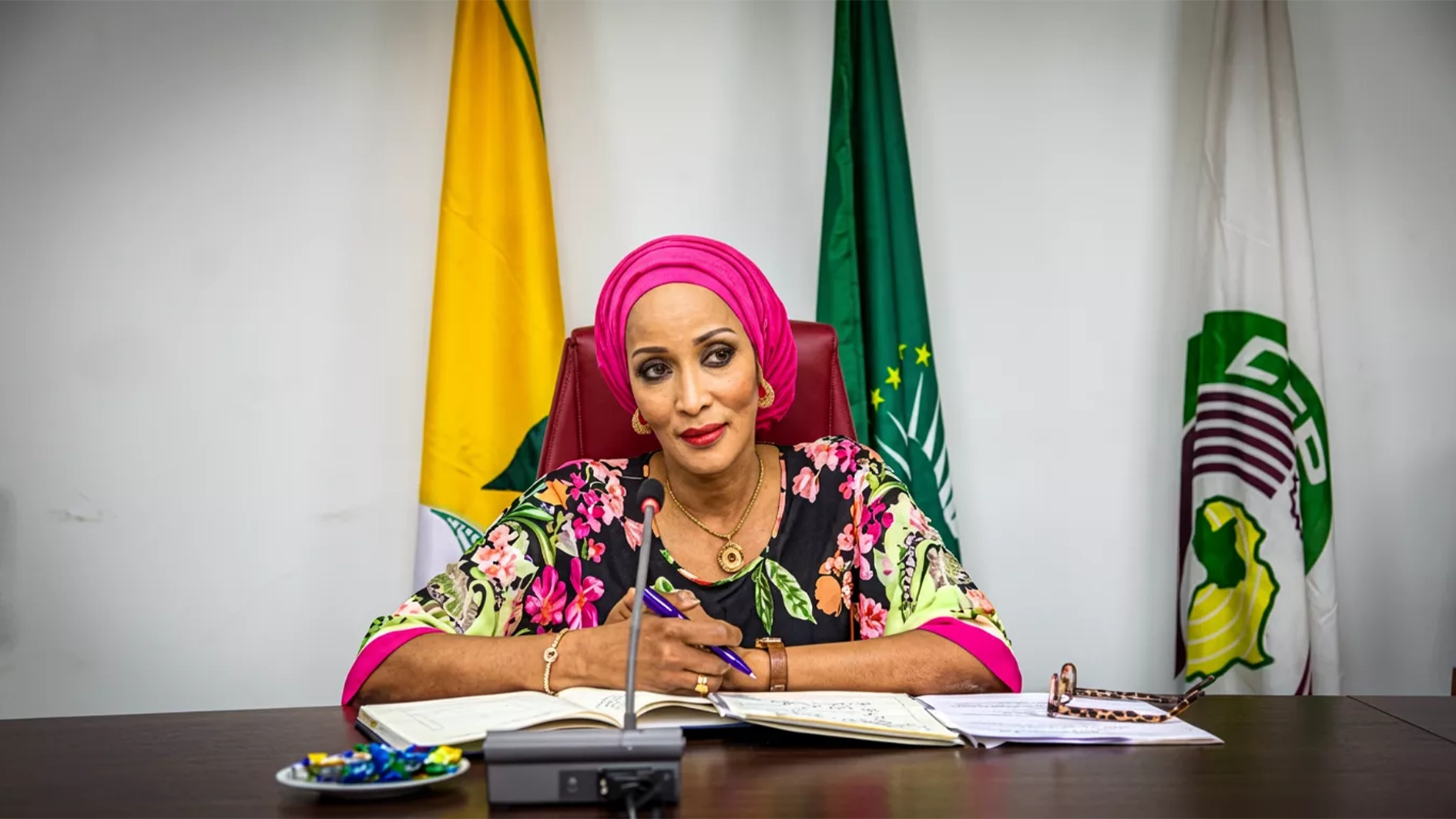
The Federal Government has cautioned the newly appointed ambassadors and high commissioners against using inadequate funding as a reason for underperformance, urging them to remain resourceful and results-driven in the discharge of their duties.
During an induction programme for envoys-designate in Abuja yesterday, the government outlined expectations for Nigeria’s diplomatic representatives as they prepare to take up postings across the world.

Addressing the envoys, the Minister of State for Foreign Affairs, Bianca Odumegwu-Ojukwu, acknowledged the long-standing challenge of limited resources available to foreign missions, but stressed that it must not be an excuse for failure.
“You will find that, whereas your task is vast, the resources placed at your disposal are scarce. A lean budget, however, is not a licence for failure; it is a call for prudency and ingenuity,” she said.
The minister noted that the diplomats represent Nigeria’s interests and image abroad, adding that their actions would shape perceptions of the country and influence the strength of its international relations.
She urged them to go beyond ceremonial roles and focus on advancing economic diplomacy, attracting foreign investment, promoting trade and tourism, and supporting the country’s broader development agenda.
The directive comes amid recurring concerns over the funding of Nigeria’s diplomatic missions, which for years struggled with inadequate budgetary allocations and delayed releases. Some missions reportedly faced difficulties meeting basic operational needs, including rent, staff welfare and consular services.
Observers have linked the funding constraints to delays in appointing ambassadors under President Bola Tinubu, noting that many Nigerian missions operated without substantive envoys for an extended period.
Similar complaints were raised during the administration of former President Muhammadu Buhari, when diplomats spoke of neglect and financial strain.
Findings show that maintaining an embassy, especially in major global capitals, requires substantial funding running into hundreds of thousands of dollars yearly, depending on the size and responsibilities of the mission. However, actual allocations have often fallen short, leaving envoys to manage with limited resources.
The immediate past Minister of Foreign Affairs, Yusuf Tuggar, had also drawn attention to the funding gap, warning that it could affect Nigeria’s competitiveness and effectiveness in global diplomacy.

