 Follow Us on Google News
 Follow Us on Google Discover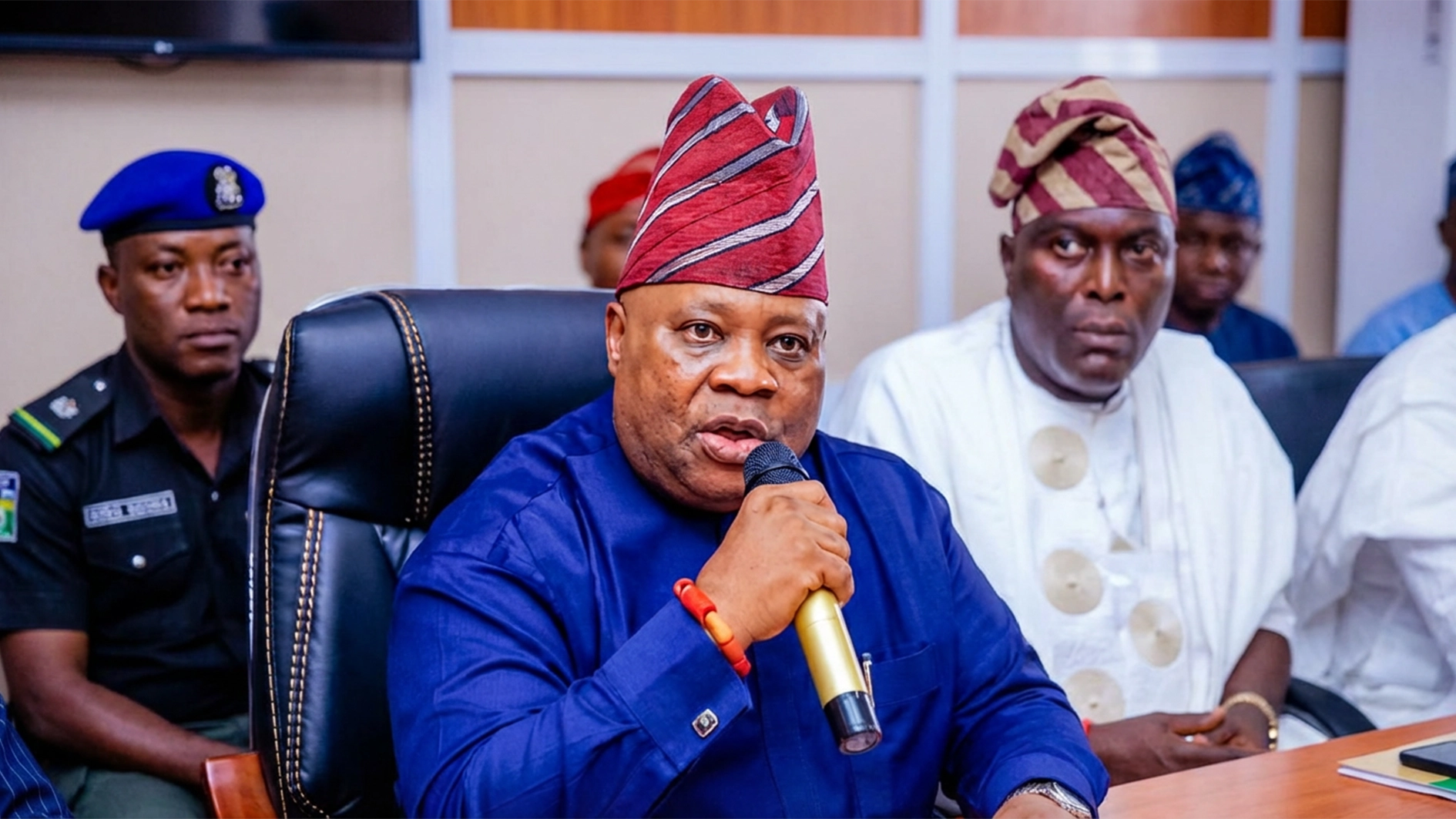
The University of Ilesa (UNILESA) has recorded sweeping academic and infrastructural transformation within three years of its establishment, growing its student population from no fewer than 1,000 to over 15,000 while expanding its programme offerings and stabilising operations.
Vice-Chancellor (VC) of the institution, Prof. Taiwo Olufemi Asaolu, stated this during a media briefing, yesterday, to mark his third year in office as head of the university.
He said the institution, which emerged from the upgrade of the former Osun State College of Education, Ilesa, inherited “dilapidated structures, demoralised members of staff and collapsing infrastructure” at take-off in April 2023, but had since undergone a significant turnaround.
According to him, UNILESA now runs 97 academic programmes fully approved by the National Universities Commission (NUC), with courses spanning Law, Nursing Science, Medical Laboratory Science, Physiotherapy, Optometry, Chinese Studies and Special Education.
The VC revealed that the institution had also secured approval from the NUC to commence Bachelor of Medicine, Bachelor of Surgery (MBBS) programmes, awaiting final clearance from the Medical and Dental Council of Nigeria (MDCN).
He said a major highlight of the institution’s growth drive is the ongoing upgrade of the State General Hospital, Ilesa, into a teaching hospital, a move expected to support clinical training and improve healthcare delivery across Ijesaland.

Asaolu stated that the university is carving a niche with its 18-hole golf course, as it has hosted national events, including the Professional Golfers’ Association’s 15th Qualifying School Seminar, positioning the institution as an emerging destination for sports and leisure.
The vice chancellor credited the institution’s rapid progress to the support of Osun State Governor, Ademola Adeleke, particularly in infrastructure renewal and workforce stabilisation.
Asaolu noted that the reconstruction of the university’s road network had transformed the campus environment, while government intervention also resolved long-standing members of staff welfare issues inherited from the defunct college, as well as restoring industrial harmony.
He identified key challenges, including inadequate student accommodation, unreliable power supply and insufficient lecture halls and laboratories, calling for urgent intervention to sustain its growth trajectory.

