 Follow Us on Google News


 Follow Us on Google Discover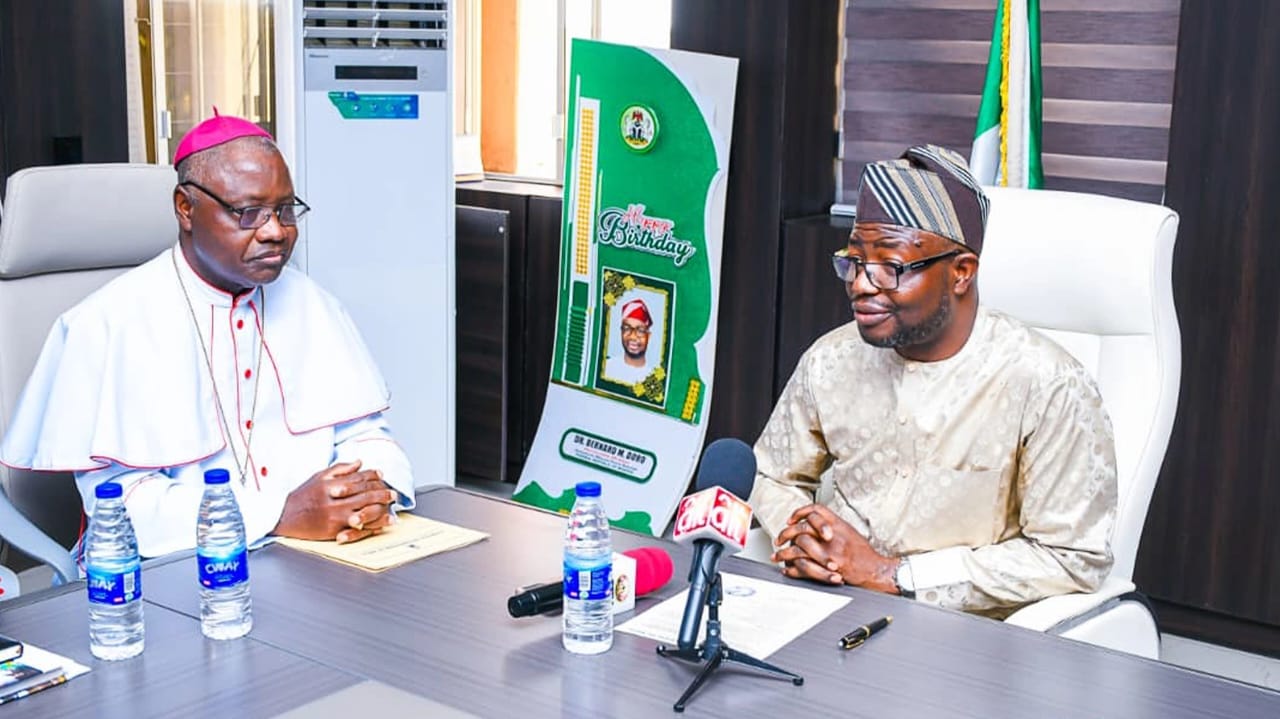
The Federal Ministry of Humanitarian Affairs and Poverty Reduction has called for the establishment of a Humanitarian Trust Fund to support sustainable humanitarian interventions and long-term poverty reduction efforts across the country.
In a statement issued Thursday in Abuja by the ministry’s Director of Information and Public Relations, Janet McDickson Noah, the Minister, Dr. Bernard M. Doro, made the call during a courtesy visit by the Catholic Archbishop of Abuja, Archbishop Ignatius Ayau Kaigama, and a delegation of priests to his office.
According to the statement, Doro said tackling poverty in Nigeria requires substantial financial resources beyond what government alone can provide, stressing the need for innovative and sustainable funding mechanisms.
“We need a Humanitarian Trust Fund for sustainable and result-oriented poverty reduction that will impact positively on all and on the economy of the nation in general,” the minister said.
He noted that the scale of poverty in the country demands a holistic response and urged development partners, philanthropists and other stakeholders to support government interventions through the proposed fund.
“There is the need to find a creative way of sourcing funds to get the vulnerable populace in Nigeria out of poverty and make them economically viable,” he added.

The minister further disclosed that the ministry is developing a framework tagged “One Humanitarian, One Poverty Reduction System” aimed at creating pathways for vulnerable persons to exit poverty and live with dignity.
He commended religious leaders for complementing government efforts in caring for vulnerable Nigerians and encouraging citizens to maintain faith in public institutions.
Doro said the administration of President Bola Ahmed Tinubu remains committed to citizens’ welfare and called for collective support for the government’s humanitarian agenda.
He also expressed appreciation to Kaigama and his delegation for the visit and signalled readiness for deeper collaboration with faith-based organisations in advancing humanitarian and poverty reduction initiatives.
Earlier, the Archbishop said the Church regularly encounters vulnerable persons in rural communities whose conditions require urgent intervention, hence the need for closer engagement with government.
“By virtue of our religious duties, we meet a lot of people in the villages who are in dire need to survive. That informed our decision to come and interact with you and to see where the government can come in, since we can only do a portion,” Kaigama said.
The Archbishop sought partnership with the ministry in areas of supporting vulnerable groups across the country and offered prayers for the success of the ministry and the nation.

