 Follow Us on Google News


 Follow Us on Google Discover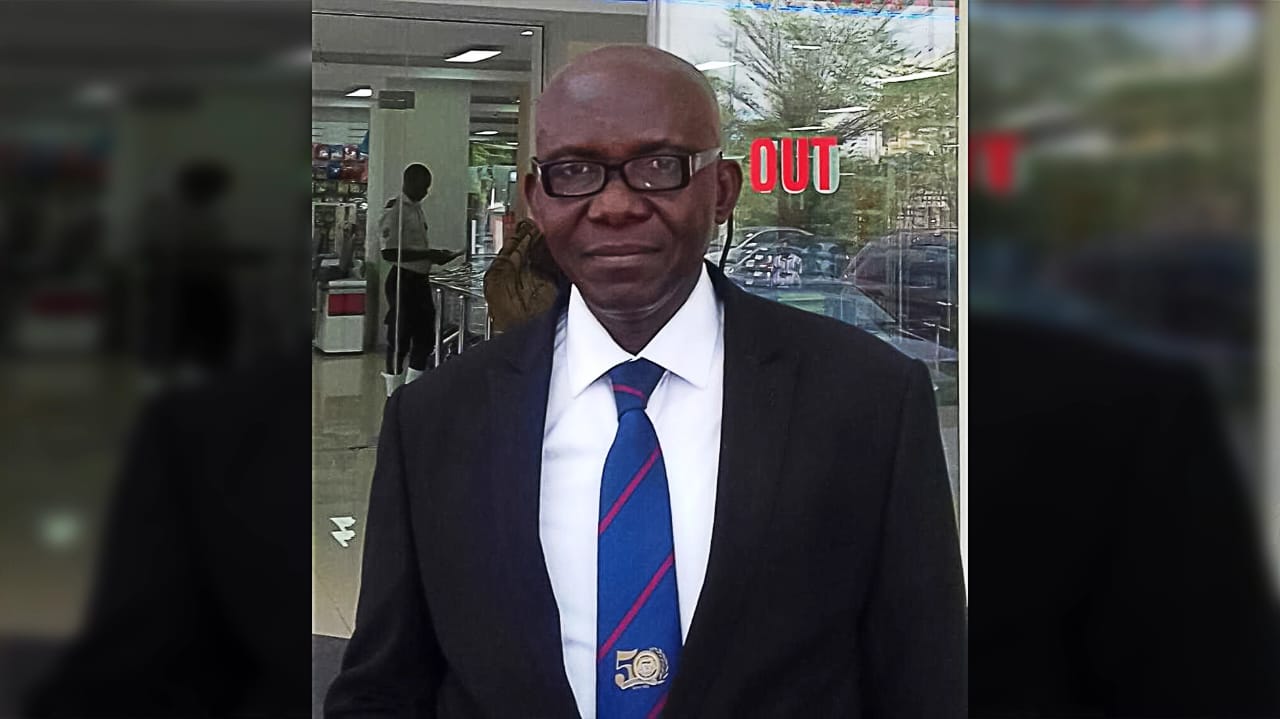
The about two months old lingering strike embarked by judiciary workers in Abia State under the aegis of the Judicial Staff Union of Nigeria ( JUSUN ) has provoked the ire of the former National Legal Adviser of the Nigerian Bar Association (NBA), Mr Victor Nwaugo, who lamented and bemoaned that it has been crippling judicial services, justice dispensation and negatively impacting litigants and lawyers that include himself.
While commenting on the scenario he warned that the prolonged shutdown is inflicting severe hardship on litigants, inmates, and legal practitioners.
opining that lawyers that depend on daily court appearances for livelihood, are among the worst hit.
” I am deeply concerned and personally affected, private lawyers who survive on court sittings are losing income, while ordinary citizens are subjected to needless hardship”, adding that beside economic losses, the strike undermines access to justice, with grave consequences for individuals caught in the judicial process”.
According to the senior lawyer, people who should have regained their freedom have remained in custody, while some that have been granted bail and met their bail conditions, cannot yet be released because the courts are not sitting, even as others whose cases were adjourned are left in limbo, hence he lamentably described the scenario as a painful.
Urging the JUSUN to consider cause the reopening of the courts, noting that their negotiations with the state government have already addressed most of the union’s demands, Nwaugo said from his findings, many of their concerns, including leave allowance, have either been largely been resolved, or are being addressed.
Touching the issue of judicial autonomy that was part of the JUSUN demand for the Strike the senior lawyer queried the basis, arguing that the Chief Judge, who is head of the state Judiciary arm of Government, should be in the best position to speak on the matter.

Nwaugo consequently faulted the action of five out of six NBA branch chairmen in the state who he said threatened recently to join the strike if the strike impasse is not resolved, positing that their stance lacked due process.
According to him, the NBA does not operate a state structure, has independent branches, such that any resolution must come from a properly convened meeting of members at the branch level.
He argued that when a few chairmen unilaterally take a decision on behalf of hundreds of lawyers, such decision cannot be binding on all, cautioning that such actions also risk escalating tensions rather than resolving the crisis.
The role of the NBA he , stated, should be to encourage dialogue, not to inflame the situation, holding that at a time when both parties are close to agreement, it would be wrong for fresh threats to be introduced, Nwaugo further explained.
JUSUN demands that sparked the strike, included their alleged nonpayment of Leave Allowance and Bonuses, Full Independence of the Judiciary that includes Financial autonomy.
But the state government had faulted JUSUN demands for Leave Allowance on the ground r their salaries are consolidated Structure, implying that leave their allowance is included in what they were being paid.
Government had asked JUSUN to produce evidence that their paid consolidated salaries did not on included leave allowance vowing to pay them the such allowance within 48 hours of producing the evidence.
On Judiciary independence, government posited that the Judiciary get its own statutory financial allocations like other arms of government, while the executive arm does not manage their allocations
Government also argued that employment, promotion, discipline of judicial staff is the statutory responsibility of the Judicial Service Commission, that is autonomous, but acts independent of the Executive Arm.
Maintaining that workers have inalienable right to demand better welfare, the state JUSUN Chairman in Comrade Chinedu Ezeh, argued that workers have constitutional right to protest when things are not right, and that the issues raised, if ultimately addressed, will benefit even lawyers, and the ordinary man on the street. END

