 Follow Us on Google News


 Follow Us on Google Discover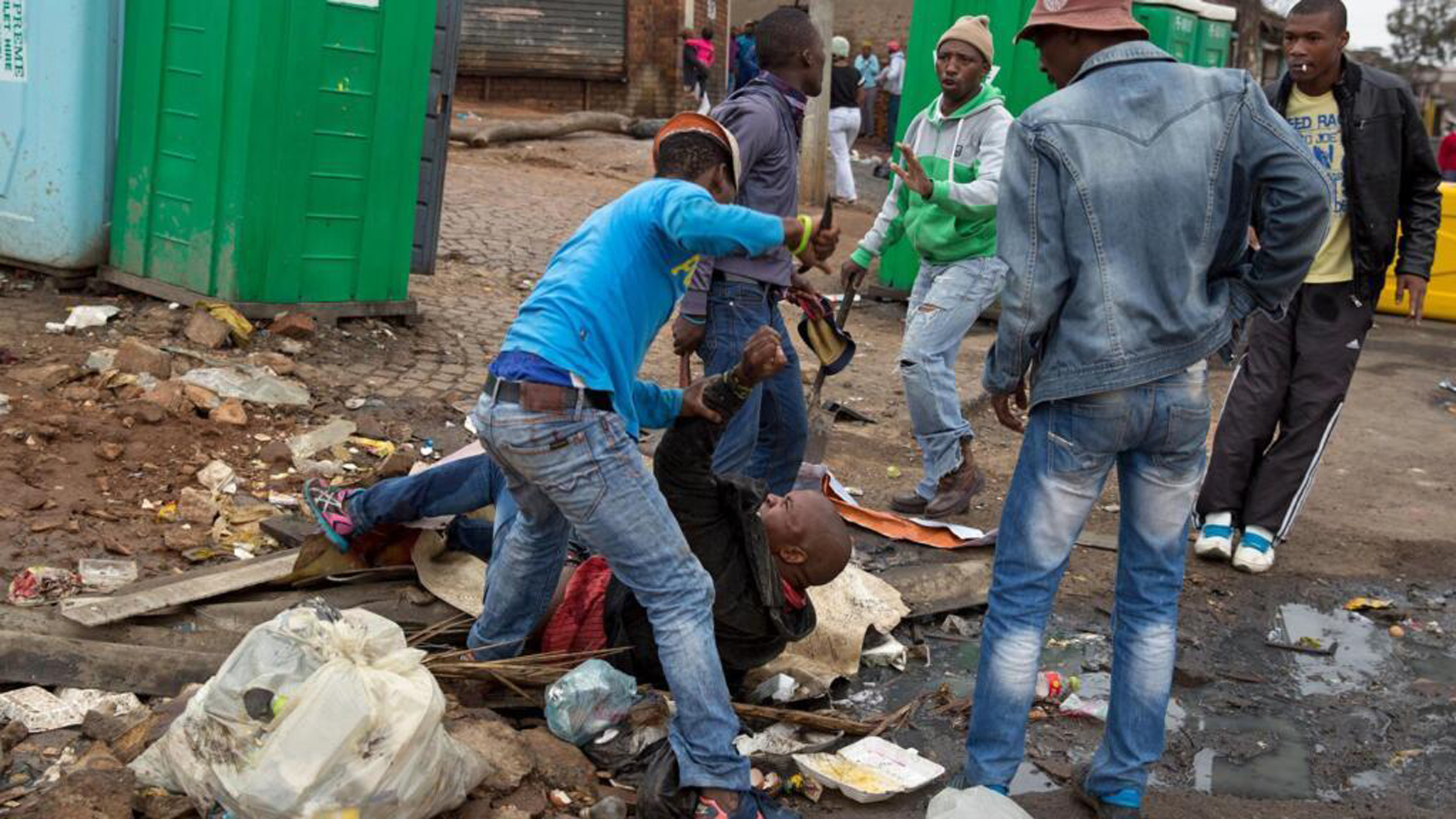
Experts urge action to stop xenophobia
At least 130 Nigerians have already registered for voluntary evacuation flights from South Africa as Nigeria moves to safeguard its citizens amid rising tensions linked to anti-foreigner protests in the country.
Nigerians and other African migrants living in South Africa are increasingly living in fear following renewed anti-foreigner protests in parts of Johannesburg, Pretoria, Durban, Cape Town, and KwaZulu-Natal, where tensions prompted many to close businesses early and avoid public gatherings.
This prompted experts to call for urgent action to stop xenophobia.
The Minister of Foreign Affairs, Bianca Odumegwu-Ojukwu, in a situation report via her X handle yesterday, said the evacuation arrangement was part of broader diplomatic and security measures being coordinated with Nigerian missions in South Africa.
She explained that the evacuation plan followed directives from President Bola Tinubu, who has ordered heightened monitoring of the situation and stronger protection for Nigerians abroad.

The minister said the Federal Government was closely monitoring rising tensions linked to anti-foreigner demonstrations in select cities in South Africa, noting that President Tinubu had expressed concern over the situation and directed enhanced diplomatic engagement.
According to her, while viral images circulating on social media suggested violence and xenophobic attacks, official reports from South African authorities indicated that recent protests in Pretoria and Johannesburg between April 27 and 29, 2026, were largely peaceful, though security operatives occasionally used tear gas to disperse gatherings.
Former spokesperson of the Ministry of Foreign Affairs, Ogbole Odey, urged the Federal Government to intensify efforts to protect its citizens abroad while encouraging lawful migration practices.
He stressed the importance of structured diplomacy and stronger enforcement measures by host authorities during public demonstrations to prevent escalation into violence.
Odey also called for deeper bilateral cooperation between Nigeria and South Africa, noting that migration should be managed in a way that benefits both countries rather than creating tension.
A political and research analyst at the Centre for Democracy and Development (CDD), Dengiyefa Angalapu, attributed recurring xenophobic tensions to governance challenges and economic hardship, noting that migrants were often unfairly blamed for structural economic issues.
He urged stronger consular protection systems, rapid response mechanisms, and enhanced legal support for affected Nigerians, alongside deeper diplomatic engagement between both countries.
Similarly, the Pan-African AU Agenda 2063 Diplomatic Mission condemned the attacks, describing them as contrary to African Union principles of unity and free movement.
The Mission called on the AU and South African authorities to strengthen accountability measures and ensure those responsible for violence are prosecuted, stressing that silence or weak responses could worsen the situation.
It further urged enhanced early-warning systems and stronger continental cooperation to prevent future outbreaks of xenophobic violence.

