 Follow Us on Google News


 Follow Us on Google Discover
As Nigeria pushes toward energy self-sufficiency, a persistent challenge remains the tension between electricity consumers and distribution companies over the continued use of manual billing systems.
Despite ongoing reforms in the power sector aimed at improving generation capacity, expanding transmission infrastructure and strengthening distribution networks, estimated and manually generated bills continue to generate dissatisfaction. Many consumers argue that the lack of transparent and accurate metering often results in inflated charges, eroding trust in distribution companies and deepening public frustration.
For distribution companies, manual billing is often linked to metering gaps, technical constraints and revenue recovery concerns. The slow pace of meter rollout, coupled with operational inefficiencies, has left millions of households and businesses outside the prepaid metering framework.
According to the 2021 Annual Report of the Nigerian Electricity Regulatory Commission (NERC), electricity distribution companies lost about N258.3 billion due to billing and collection challenges largely associated with estimated and manual billing practices.
Although Nigeria had approximately 10.51 million registered electricity customers in 2021, just over one million had prepaid meters installed, leaving more than nine million consumers without meters and exposed to estimated billing.
The metering shortfall reflects the experience of residents of Ezimo Community in Udenu Local Government Area of Enugu State, where a dispute with the Enugu Electricity Distribution Company (EEDC) escalated into a prolonged blackout. The community was without electricity for more than a year, from August 2021 to September 2022.

The outage followed the breakdown of the community’s manual billing and revenue remittance structure. Although infrastructure remained functional, Ezimo was disconnected from supply due to disputes over payments and collection processes.
Concerns over the transparency of the manual billing framework led to accusations of financial irregularities and declining confidence. Residents suspended payments, and the Nsukka District office disconnected the community over accumulated debts and a collapse in revenue collection.
In response to the economic impact of the blackout, Walter Oluchukwu Ugwueze, Technical Assistant to the Enugu State Commissioner for Science and Technology, Obi Kama, proposed a digital solution to address the billing crisis. He submitted a proposal to the Nsukka District of EEDC outlining how automation could improve accuracy, transparency and accountability.
Ugwueze subsequently led the implementation of the Ezimo Electricity Bill Automation Project, replacing manual collection with a technology-driven system designed to ensure accurate billing, seamless remittances and real-time tracking. The digitisation of records and the introduction of an optimised payment channel reduced arbitrary charges and addressed complaints about inflated bills.
The automation initiative improved transparency and revenue monitoring, enabling the restoration of electricity supply. Businesses gradually resumed operations, and households gained access to a more predictable billing structure.
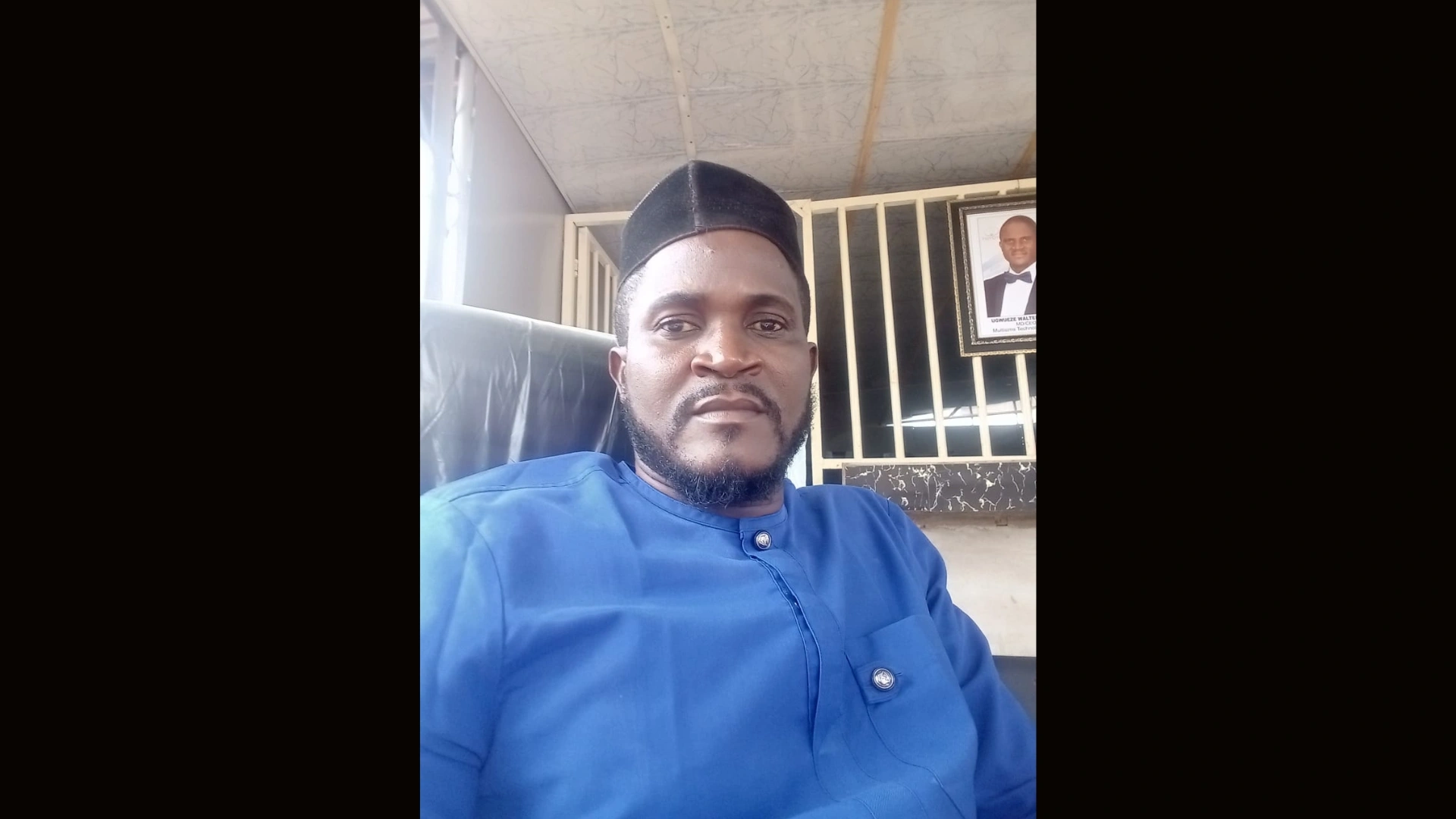
The Chairman of the Electricity Committee, Comrade Ichie Kenneth Ugwueze, stated that the crisis exposed weaknesses in the previous billing arrangement and highlighted the need for reform. He noted that mistrust had grown due to concerns that payments were not properly documented or remitted.
He explained that under the automated system, payments are digitally recorded and traceable, reducing ambiguity. According to him, the improved process has strengthened compliance as confidence in the system increased. Revenue inflows have stabilised, reducing the likelihood of another prolonged disruption.
Community representatives, including the Woman Leader, Ngozika Ogbu, and the Task Force Chairman, Thaddeus Abonyi, said the project helped restore commercial activities and social life. They noted that small-scale traders were significantly affected during the blackout but now operate under a clearer and more verifiable billing structure.
The Ezimo case highlights the broader lesson that power sector reform requires attention not only to infrastructure but also to transparency in billing and revenue management. While expanding prepaid metering remains essential, digital interim solutions can reduce disputes and improve accountability.
Addressing Nigeria’s metering gap will require coordinated action by regulators, distribution companies and state authorities. Accelerating prepaid meter deployment, strengthening oversight and expanding digital payment systems can help reduce revenue losses and improve service reliability.
The experience in Ezimo demonstrates that targeted technological interventions can help resolve billing disputes, restore supply and stabilise collections within affected communities.

