 Follow Us on Google News


 Follow Us on Google Discover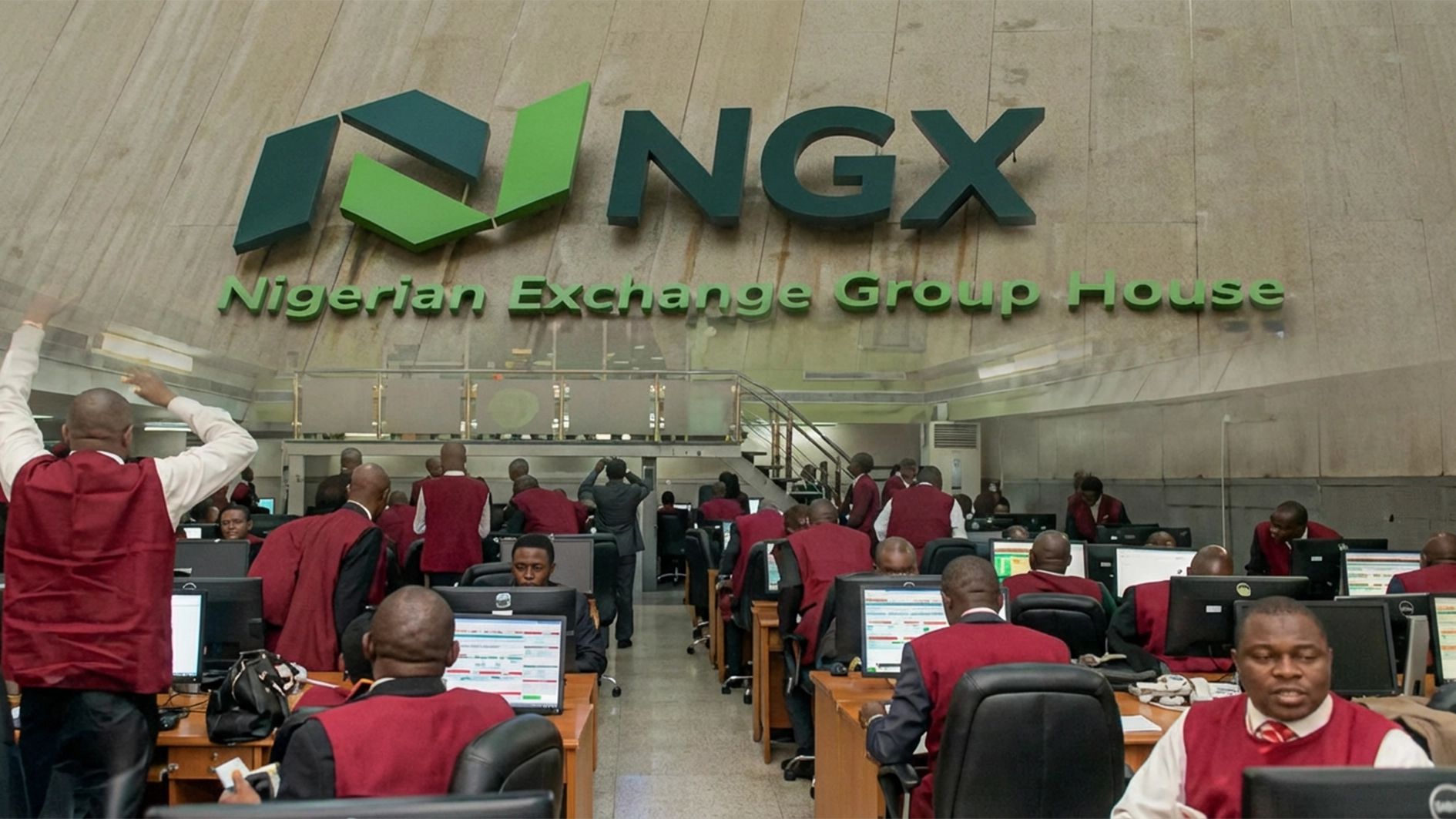
Managing Director of Nigerian Exchange Limited (NGX), Jude Chiemeka, said the exchange is targeting 30 million retail investors to transform market participation, deepen liquidity and broaden investment across multiple asset classes.
At the Investor Conference of FSDH in Lagos, Chiemeka said the current level of retail participation in Nigeria’s capital market remains significantly low despite the country’s large population, stressing that deepening inclusion has become a critical focus for the exchange and regulators.
“There is always that conversation around Nigeria’s population of over 250 million people, but you would be surprised to know that the number of retail investors we currently have in the market is still very small,” he said.
According to him, the Nigerian capital market had only about 1.8 million retail investors as of last year, a figure he described as below the expectations outlined in the Capital Market Master Plan.
He explained that although retail investor activity has improved in recent periods, participation remains limited compared to the market’s growth potential.
“Retail participation used to hover around 20 per cent, but we have seen a significant improvement to around 33 per cent. We believe that opening more investment products and allowing digital assets to bring more people into the market will further improve liquidity,” Chiemeka stated.

He said the Capital Market Master Plan had projected five million active retail investors by 2025, but the target had not been achieved. However, he expressed confidence that renewed collaboration between the exchange and the Securities and Exchange Commission (SEC) would accelerate retail investor growth in the coming years.
“With what the SEC is doing and what NGX is doing, there is renewed commitment towards attracting more retail investors into the market. The current figure we are looking at is about 30 million retail investors, and that will significantly improve liquidity and participation across different asset classes traded in the market,” he added.
Speaking on market performance, Chiemeka disclosed that liquidity in the Nigerian capital market has continued to improve over the last few years, supported by reforms in the foreign exchange market and rising investor confidence.
“Our market liquidity continues to improve. We have seen stronger participation and increasing investor activity over time, although there is still significant room for growth,” he said.
He identified inadequate listings as one of the major challenges constraining market depth and liquidity, noting that while the exchange currently has over 352 listed securities, the number of listed companies remains relatively small.
“We currently have around 46 listed companies. Even though more assets are being traded, we still need more listings to deepen participation and liquidity in the market,” he said.
He also stressed the need to broaden the institutional investor base beyond domestic investors by attracting more international participation in the market.
According to him, improving foreign exchange liquidity and ongoing economic reforms by the Federal Government are beginning to restore confidence among offshore investors.
Chiemeka maintained that increasing access to more investment products for retail investors, alongside digital innovation and stronger market reforms, would be critical to unlocking the next phase of growth for Nigeria’s capital market

