 Follow Us on Google News


 Follow Us on Google Discover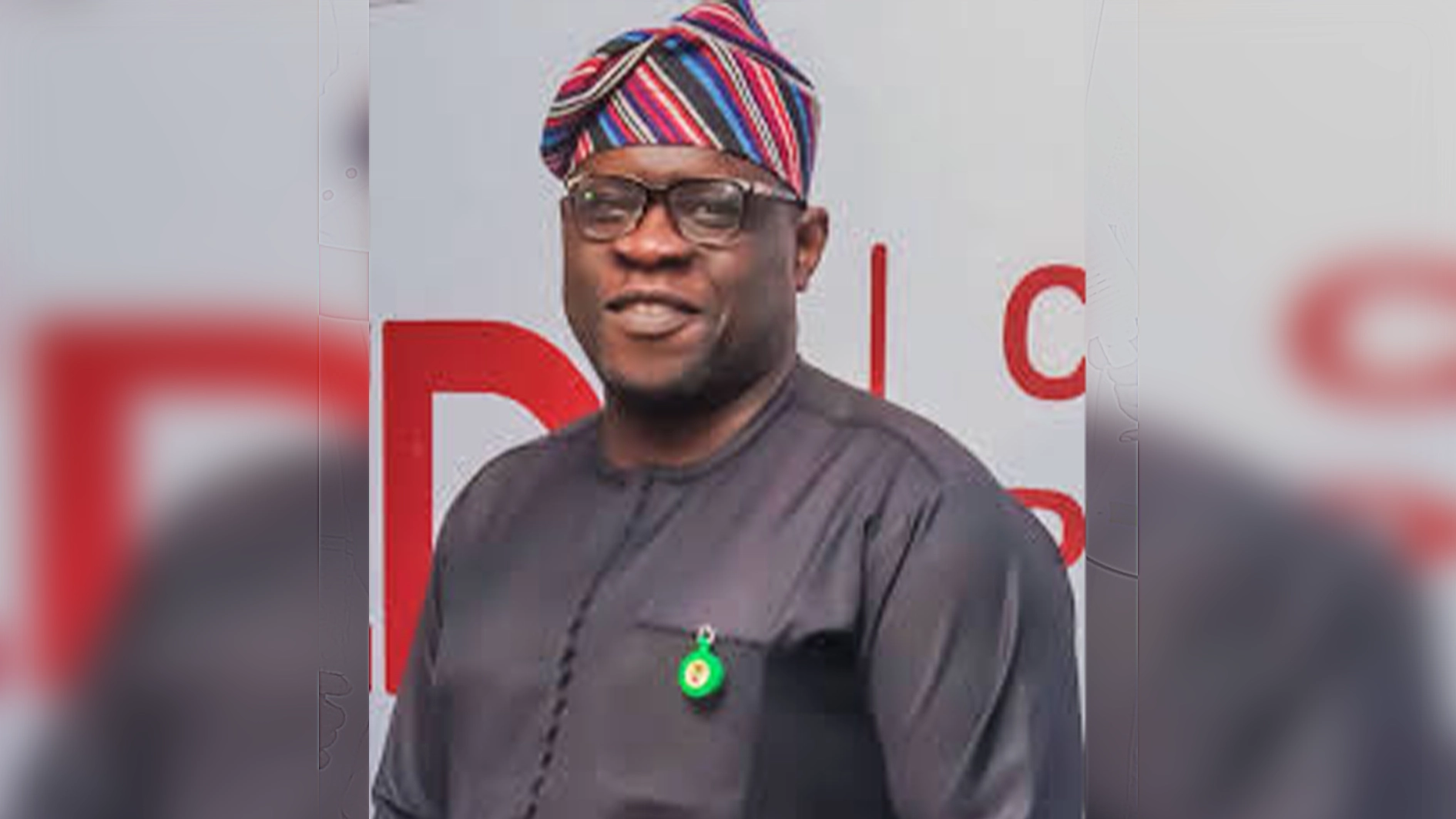
By Mark Akhuetie
The Nigerian creative industry is changing rapidly, and perhaps, nowhere is this transformation more visible than in Nollywood and the broader digital content ecosystem.
What was once seen largely as an entertainment space driven by passion and improvisation is now evolving into a serious economic and cultural force powered by innovation, technology, entrepreneurship, and strategic thinking.
It is against this backdrop that the recent announcement by the Executive Director and Chief Executive Officer of the National Film and Video Censors Board (NFVCB), Dr. Shaibu Husseini, to speak on “Digital Creatives as Future-Ready Entrepreneurs” at the 10th anniversary of the Young Leaders Entrepreneurship Conference in Abuja deserves attention beyond the routine social media cycle.
The significance of the moment lies not merely in the conference itself, but in what the subject represents for the future of Nigeria’s creative economy. Husseini, while receiving respected academic, public relations expert, and media scholar, Oluwatosin Adesile, in his Abuja office, reaffirmed an important reality: the future creative must go beyond talent alone. The modern storyteller must understand branding, monetisation, digital relevance, audience engagement, and the dynamics of a constantly evolving media environment.This shift is already happening before our eyes.
Across Nigeria, a new generation of creatives is emerging outside traditional film structures. Young Nigerians are building audiences through short-form videos, podcasts, online comedy, animation, skit production, digital documentaries, lifestyle content, and independent streaming platforms. Many of them may never pass through conventional studio systems, yet they command influence, shape conversations, and create economic value in ways that traditional media could hardly imagine a decade ago.

Nollywood itself has been forced to adapt. The rise of streaming platforms, digital distribution, social media marketing, and online audience analytics has fundamentally altered the filmmaking process. Today, a filmmaker is not just expected to create compelling stories; they must also think like entrepreneurs capable of positioning their work within a highly competitive digital marketplace.
This is why conversations around ‘future-ready entrepreneurship’ are timely and necessary.
The Nigerian creative industry can no longer afford to separate art from enterprise.
Sustainable storytelling now depends on structure, professionalism, and the ability of creatives to transform intellectual property into long-term economic opportunities. Beyond cinema tickets and television licensing, today’s creatives must understand multiple revenue streams ranging from digital monetisation and brand partnerships to global distribution and audience-driven marketing.
Interestingly, this evolving reality also places greater responsibility on institutions and regulators. The NFVCB’s increasing engagement with young creatives suggests a broader understanding of its role within the industry. Regulation is no longer only about classification and censorship; it is also about contributing to an environment where creativity can grow responsibly, professionally, and competitively.
For young creatives watching the industry today, the message is becoming clearer: creativity alone is no longer enough. The future belongs to those who can create, adapt, innovate, collaborate, and lead.
Nigeria’s creative economy holds enormous potential not just as a cultural export, but as a driver of employment, youth empowerment, tourism, digital innovation, and national identity. However, unlocking that potential requires deliberate investment in talent development, policy support, industry infrastructure, and entrepreneurial education.
This is why platforms that encourage dialogue between creatives, academics, policymakers, and regulators remain important. They help prepare emerging talents for the realities of a rapidly changing global industry where content is no longer confined by geography.
As Nollywood continues to expand its influence across Africa and beyond, the industry must also embrace a broader vision of what it means to be a creative professional in the digital age.
The camera may still capture the story, but increasingly, it is entrepreneurship, innovation, and digital adaptability that determine how far that story travels.

